Diabetes and HRV: How Type 1, Type 2, and Prediabetes Affect Heart Rate Variability
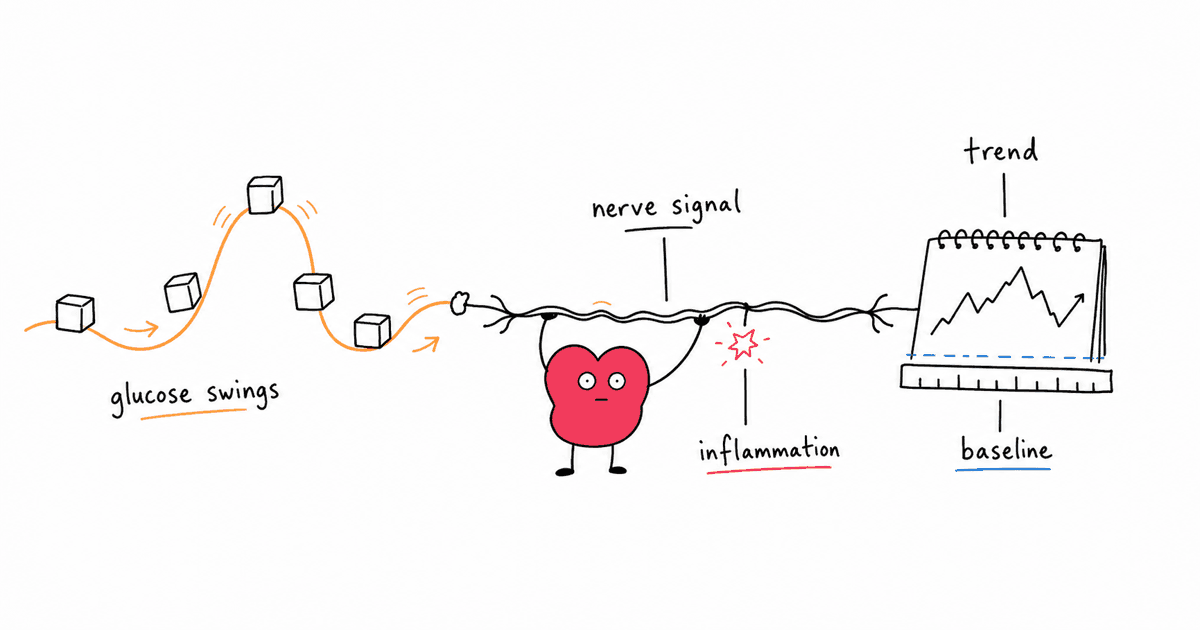
More than 500 million people worldwide live with diabetes, and that number continues to climb. What many don't realize is that diabetes doesn't just affect blood sugar. It quietly reshapes the autonomic nervous system, the branch of your nervous system that controls heart rate, digestion, and stress response.
Heart rate variability is one of the most sensitive markers of autonomic health, and it often declines long before a person with diabetes develops obvious nerve damage. Understanding the connection between diabetes and HRV opens a window into early detection, smarter management, and better long-term outcomes.
What Happens to HRV in Diabetes
Diabetes progressively reduces HRV by damaging the small nerve fibers that regulate heart rhythm. This damage, known as cardiac autonomic neuropathy (CAN), affects an estimated 20-65% of people with diabetes depending on disease duration and control. Even in prediabetes, measurable HRV reductions can appear.
The autonomic nervous system has two branches: the sympathetic (fight-or-flight) and parasympathetic (rest-and-digest) systems. In healthy individuals, these branches maintain a dynamic balance reflected in higher HRV. Diabetes disrupts this balance by progressively damaging parasympathetic nerve fibers first, then sympathetic fibers as the disease advances.
Why Diabetes Damages the Autonomic Nervous System
Several interconnected mechanisms drive autonomic nerve damage in diabetes:
Chronic Hyperglycemia
Sustained high blood sugar activates the polyol pathway, flooding nerve cells with sorbitol and fructose. These sugar alcohols pull water into cells through osmotic stress, causing swelling and eventual nerve fiber damage. This is one reason tight blood sugar control matters so much.
Oxidative Stress
Elevated glucose increases production of reactive oxygen species (ROS), which damage the delicate vasa nervorum, the tiny blood vessels that supply nerves with oxygen and nutrients. When these blood vessels deteriorate, the nerves they feed begin to die.
Advanced Glycation End Products (AGEs)
When glucose binds to proteins without enzymatic control, it forms AGEs. These compounds accumulate in nerve tissue, trigger inflammation, and accelerate degeneration. AGE accumulation is directly correlated with diabetes duration and average blood sugar levels.
Microvascular Damage
Diabetes impairs the small blood vessels throughout the body. When the microvasculature supplying autonomic nerve fibers is compromised, those fibers lose their blood supply and gradually stop functioning. This same process underlies diabetic retinopathy and nephropathy, which is why diabetes often overlaps with kidney disease and HRV. In men, the same vascular and autonomic strain can also contribute to erectile dysfunction and low HRV.
Type 1 Diabetes and HRV
Type 1 diabetes often begins in childhood or young adulthood, meaning the autonomic nervous system faces decades of potential exposure to glucose fluctuations. Research from the Epidemiology of Diabetes Interventions and Complications (EDIC) study, one of the longest-running type 1 diabetes studies, found that cardiovascular autonomic neuropathy defined by HRV indices was strongly associated with increased cardiovascular disease risk.
Key findings for type 1 diabetes:
- CAN prevalence increases with disease duration, affecting roughly 25-35% of type 1 patients after 10+ years
- Intensive glycemic control (maintaining HbA1c below 7%) significantly slows autonomic nerve deterioration
- HRV decline can begin within the first five years of diagnosis, even in children and adolescents
- The DCCT/EDIC trial demonstrated that early intensive insulin therapy reduced the risk of CAN by approximately 45% over a 13-year follow-up
Type 2 Diabetes and HRV
Type 2 diabetes accounts for roughly 90-95% of all diabetes cases. Because it develops gradually, autonomic damage often accumulates silently for years before diagnosis. It also commonly clusters with fatty liver disease, so the guide to fatty liver and HRV is useful if liver enzymes, ultrasound findings, or metabolic syndrome are part of the picture.
Studies consistently show that people with type 2 diabetes have significantly lower HRV compared to age-matched controls. A cross-sectional study published in Clinical Autonomic Research found that SDNN (a key HRV metric) was 30-40% lower in type 2 diabetic patients compared to healthy individuals of similar age.
The relationship between type 2 diabetes duration and HRV decline follows a progressive pattern:
| Diabetes Duration | Typical HRV Impact | CAN Prevalence |
|---|---|---|
| Prediabetes | Mild reduction (10-15%) | 5-10% |
| Newly diagnosed (0-5 years) | Moderate reduction (15-25%) | 15-20% |
| Established (5-10 years) | Significant reduction (25-40%) | 25-40% |
| Long-standing (10+ years) | Severe reduction (40%+) | 40-65% |
These numbers vary widely based on glycemic control, medication use, and lifestyle factors, but the trend is clear: longer duration correlates with greater autonomic damage.
Prediabetes: The Early Warning Window
Perhaps the most important finding in recent research is that HRV begins declining before a formal diabetes diagnosis. The DESIR study, a large population-based investigation, demonstrated that even mild glucose dysregulation in individuals without diabetes was associated with measurable HRV reductions.
A 2025 study published in Physiological Reports tested multiple heart-rate-based methods for identifying cardiovascular autonomic neuropathy in people with prediabetes and type 2 diabetes. The researchers found that HRV analysis could detect autonomic dysfunction at the prediabetic stage, suggesting a window where intervention could prevent or delay nerve damage.
This matters because prediabetes affects an estimated 470 million people globally. For many, a declining HRV trend on their wearable device could be an early signal to check fasting glucose and HbA1c levels.
Cardiac Autonomic Neuropathy: The Silent Complication
Cardiac autonomic neuropathy deserves special attention because it's both common and dangerous but frequently goes undiagnosed. CAN affects the nerves controlling heart rate and blood vessel diameter, leading to:
- Resting tachycardia: A fixed, elevated heart rate (often 90-100+ bpm) as parasympathetic control weakens
- Exercise intolerance: Reduced ability to increase heart rate during physical activity and slower heart rate recovery afterward
- Orthostatic hypotension: Dizziness upon standing due to impaired blood vessel constriction
- Silent myocardial ischemia: Heart attacks without chest pain, because the nerves that would signal pain are damaged
- QT prolongation: Electrical changes in the heart that increase the risk of dangerous arrhythmias
CAN is an independent predictor of cardiovascular mortality. Research published in the American Heart Association's Circulation journal found that diabetic patients with CAN had significantly higher rates of cardiovascular events compared to those without autonomic involvement.
How HRV Testing Detects Autonomic Damage
Clinical HRV assessment for diabetic autonomic neuropathy typically involves standardized tests, often called the "Ewing battery":
-
Heart rate response to deep breathing: The patient breathes deeply at 6 breaths per minute while heart rate is recorded. Healthy individuals show significant R-R interval variation; those with CAN show blunted variation.
-
Valsalva maneuver ratio: The patient blows into a tube against resistance. The ratio of longest to shortest R-R interval during and after the maneuver indicates parasympathetic function.
-
Heart rate response to standing (30:15 ratio): The ratio of R-R intervals at beats 30 and 15 after standing reflects parasympathetic integrity.
-
Blood pressure response to standing: A systolic drop greater than 20 mmHg or diastolic drop greater than 10 mmHg suggests sympathetic dysfunction.
-
Blood pressure response to sustained handgrip: Measures sympathetic function through isometric exercise.
The American Diabetes Association recommends screening for CAN at the time of type 2 diabetes diagnosis and within 5 years of type 1 diagnosis, then annually. Despite this recommendation, screening rates remain low.
Using Consumer Wearables for HRV Monitoring with Diabetes
While clinical HRV testing provides the gold standard for CAN diagnosis, consumer wearables offer valuable day-to-day tracking that can reveal trends over time.
Devices like the Oura Ring, Whoop, and Apple Watch measure nighttime HRV continuously. For people with diabetes, this creates a longitudinal record that can highlight:
- Gradual HRV decline that might indicate developing autonomic neuropathy
- Acute HRV drops following blood sugar spikes or episodes of hypoglycemia
- Recovery patterns showing how quickly HRV normalizes after glucose excursions
- Impact of lifestyle changes on autonomic function over weeks and months
A 2025 study published in Sensors found that in adults with type 1 diabetes, greater average daily median HRV measured by smartwatches was associated with better overall health outcomes, supporting the use of consumer wearables as a practical monitoring tool.
What to Track
If you have diabetes or prediabetes and use an HRV-capable wearable, focus on:
- Weekly and monthly HRV trends rather than single readings, since daily variation is normal
- Morning HRV readings taken at the same time each day for consistency
- Correlation with glucose data if you also use a continuous glucose monitor (CGM)
- HRV response to exercise, particularly how quickly it recovers after workouts
Strategies to Protect and Improve HRV with Diabetes
The good news: autonomic damage from diabetes is not entirely inevitable. Research shows that several interventions can slow, halt, or even partially reverse HRV decline.
Optimize Glycemic Control
This is the single most impactful factor. The DCCT/EDIC trial proved that intensive glycemic control in type 1 diabetes significantly reduces autonomic neuropathy risk. Similar findings exist for type 2 diabetes. Keeping HbA1c below 7% (or within your physician's target range) protects autonomic nerve fibers.
Exercise Regularly
Aerobic exercise has been shown to improve HRV even in people with established diabetes. A meta-analysis of exercise interventions in type 2 diabetes found that structured aerobic training 3-5 times per week for 12+ weeks produced meaningful improvements in time-domain HRV metrics.
Walking is an excellent starting point, as it improves insulin sensitivity while being gentle enough for those with existing complications.
Prioritize Sleep
Sleep quality has a profound effect on both blood sugar regulation and HRV. Sleep deprivation worsens insulin resistance and suppresses parasympathetic activity, creating a vicious cycle. Aim for 7-9 hours of quality sleep, and consider screening for sleep apnea, which is more common in people with type 2 diabetes.
Manage Stress
Chronic stress elevates cortisol, which worsens insulin resistance and suppresses HRV. Techniques like meditation, breathing exercises, and HRV biofeedback can strengthen parasympathetic tone.
Address Inflammation
Diabetes is an inherently inflammatory condition, and chronic inflammation accelerates nerve damage. An anti-inflammatory diet rich in omega-3 fatty acids, vegetables, and fermented foods may support both glycemic control and autonomic health.
Monitor Micronutrients
Several nutrients are especially relevant for autonomic nerve health in diabetes:
- Magnesium: Deficiency is common in diabetes and associated with lower HRV
- Vitamin D: Low levels correlate with worse glycemic control and reduced autonomic function
- Omega-3 fatty acids: May support nerve membrane integrity and reduce inflammation
- B vitamins: Essential for nerve health; metformin can deplete B12 over time
When to Talk to Your Doctor
HRV monitoring is a valuable self-tracking tool, but certain patterns warrant medical attention:
- Steadily declining HRV trend over months despite lifestyle interventions
- Resting heart rate consistently above 90 bpm (possible resting tachycardia from CAN)
- Dizziness when standing (orthostatic hypotension)
- Unusually slow heart rate recovery after exercise
- Very low HRV readings with minimal day-to-day variation (the heart rate becomes "fixed" as autonomic control is lost)
These signs may indicate advancing autonomic neuropathy that requires clinical evaluation and management.
The Bottom Line
Diabetes affects HRV through progressive damage to the autonomic nervous system, but this damage is not a foregone conclusion. With tight glycemic control, regular exercise, quality sleep, and consistent monitoring, many people with diabetes can maintain healthier autonomic function than uncontrolled disease would allow.
Consumer HRV wearables provide a practical, accessible way to track autonomic health over time, complementing clinical assessments. For the hundreds of millions living with diabetes or prediabetes, paying attention to HRV trends offers an early warning system that can prompt timely intervention and potentially prevent the most serious autonomic complications.
Frequently Asked Questions
Does diabetes always lower HRV?
Diabetes increases the risk of lower HRV, but it's not guaranteed. People with well-controlled blood sugar, active lifestyles, and no other risk factors can maintain HRV levels comparable to their non-diabetic peers for many years. The degree of HRV reduction depends heavily on glycemic control, disease duration, and overall health.
Can improving blood sugar control raise HRV?
Yes. Research consistently shows that better glycemic control is associated with higher HRV. The improvement may be modest and gradual, especially if some autonomic damage has already occurred, but studies have demonstrated measurable HRV increases following improved blood sugar management in both type 1 and type 2 diabetes.
Should people with diabetes use HRV wearables?
HRV wearables can be a valuable tool for people with diabetes. They provide continuous data that reveals trends clinical visits might miss. However, wearable HRV data should complement, not replace, formal clinical autonomic testing. If your wearable shows a sustained HRV decline, bring it up with your healthcare provider.
What's the connection between metformin and HRV?
Some research suggests metformin may have modest beneficial effects on HRV independent of its glucose-lowering action, possibly through anti-inflammatory and antioxidant pathways. However, metformin can deplete vitamin B12 over time, which is important for nerve health. If you take metformin, discuss B12 monitoring with your doctor.
How early can HRV detect diabetic autonomic neuropathy?
HRV changes can appear in the prediabetic stage, years before clinical neuropathy symptoms manifest. Studies using standardized HRV testing have detected autonomic dysfunction in newly diagnosed type 2 diabetes patients, suggesting that nerve damage may begin during the prediabetic period of insulin resistance.
Need a quick read on your HRV number first?
Enter your HRV value, age range, device, and recovery context for a plain-English interpretation before you decide what to do next.
Interpret Your HRV NumberBuild the 30-day plan