All Articles
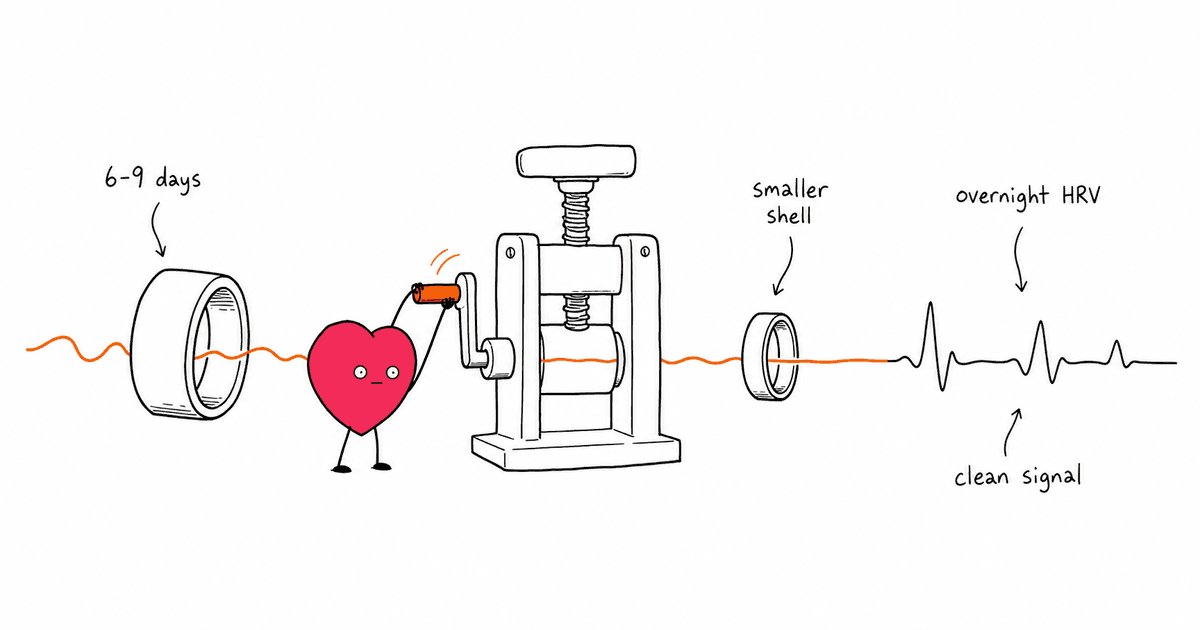
Oura Ring 5 puts improved overnight HRV sensing, longer battery life, and the same recovery platform into a much smaller ring. Here is what changed and who should upgrade.
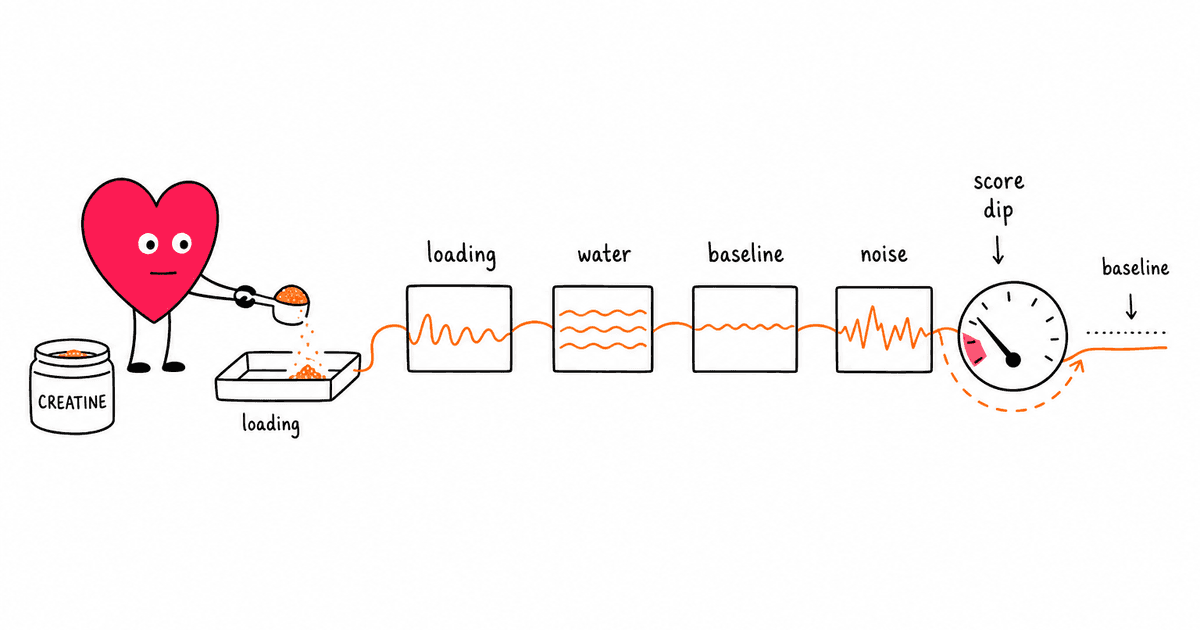
If your Whoop, Oura, Garmin, or Apple Watch HRV changed after starting creatine, check loading, training load, sleep, hydration, digestion, and your baseline before blaming the supplement alone.
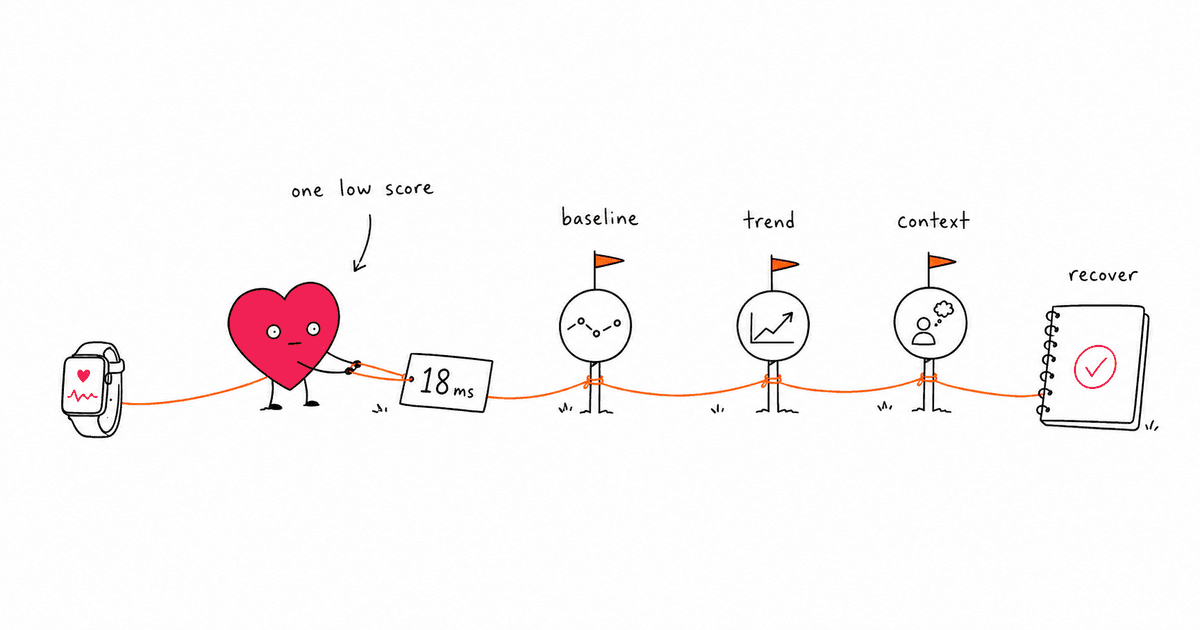
A low HRV number is not a diagnosis. Learn how to interpret 15 to 60 ms readings using your baseline, age, device, symptoms, and trend direction.
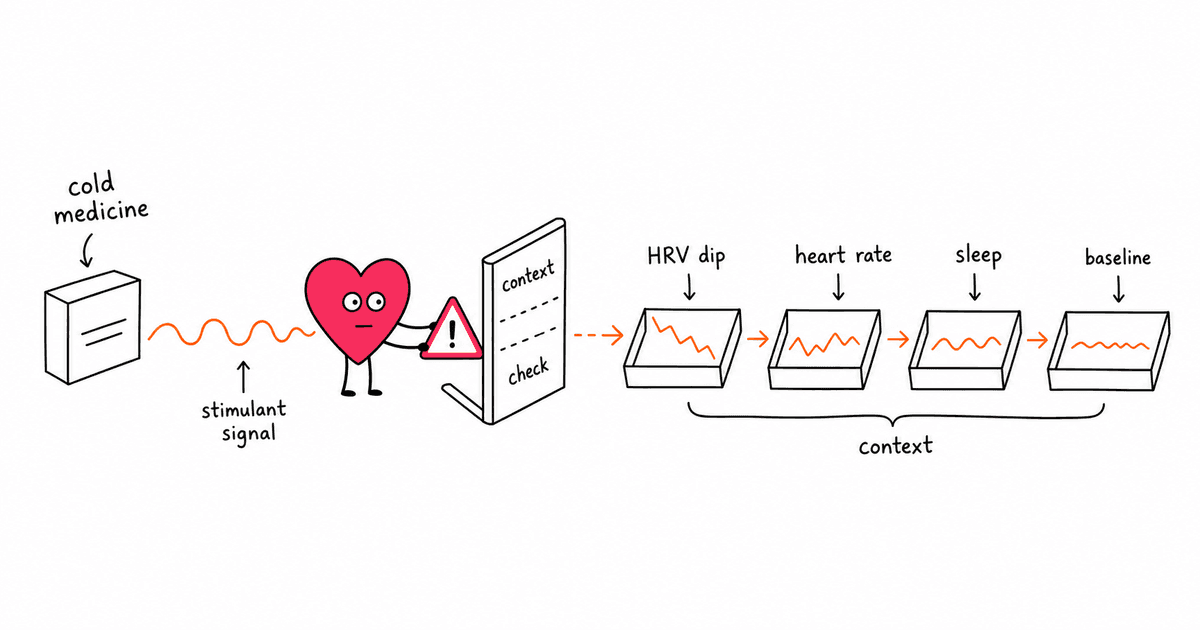
If your HRV drops after taking cold medicine, the congestion may not be the only culprit. Here is how decongestants can affect heart rate, sleep, and recovery data.
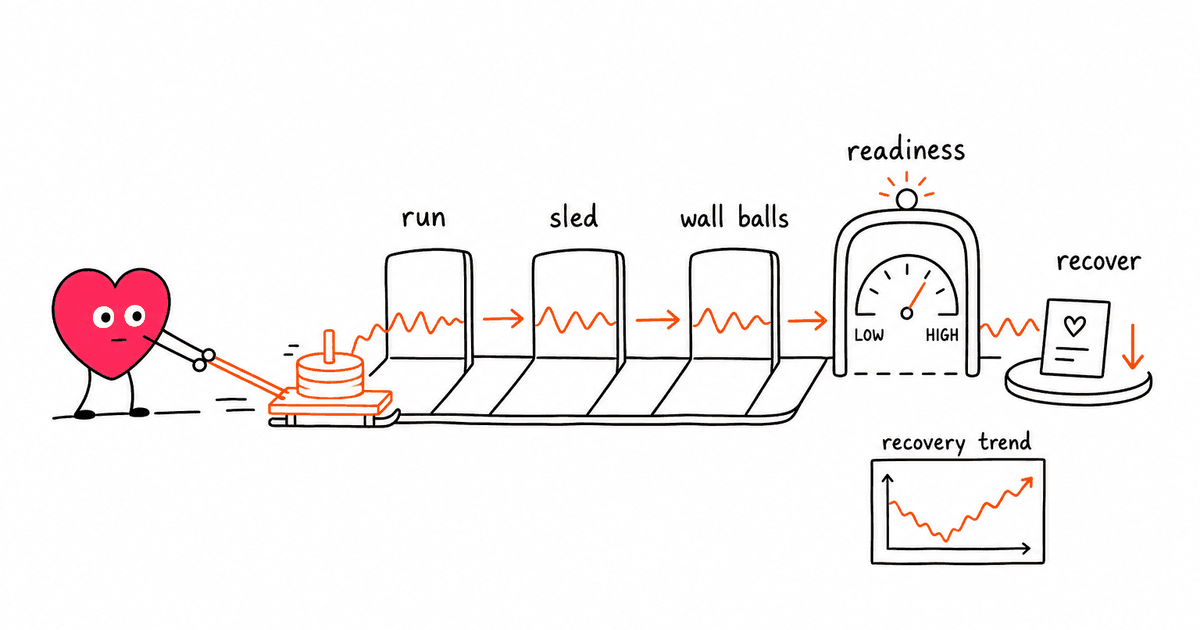
HYROX blends 8K of running with functional stations. HRV can help you separate productive fatigue from a recovery hole.
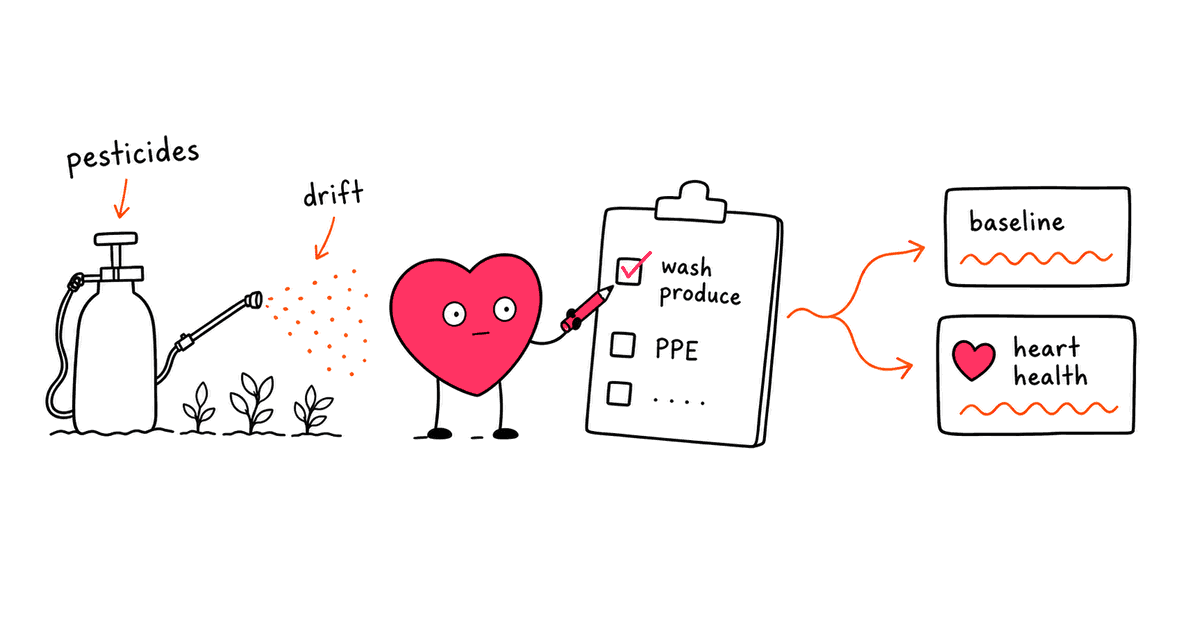
Pesticides can affect the nervous and cardiovascular systems. Here is what research suggests about HRV, heart health, and safer exposure reduction.
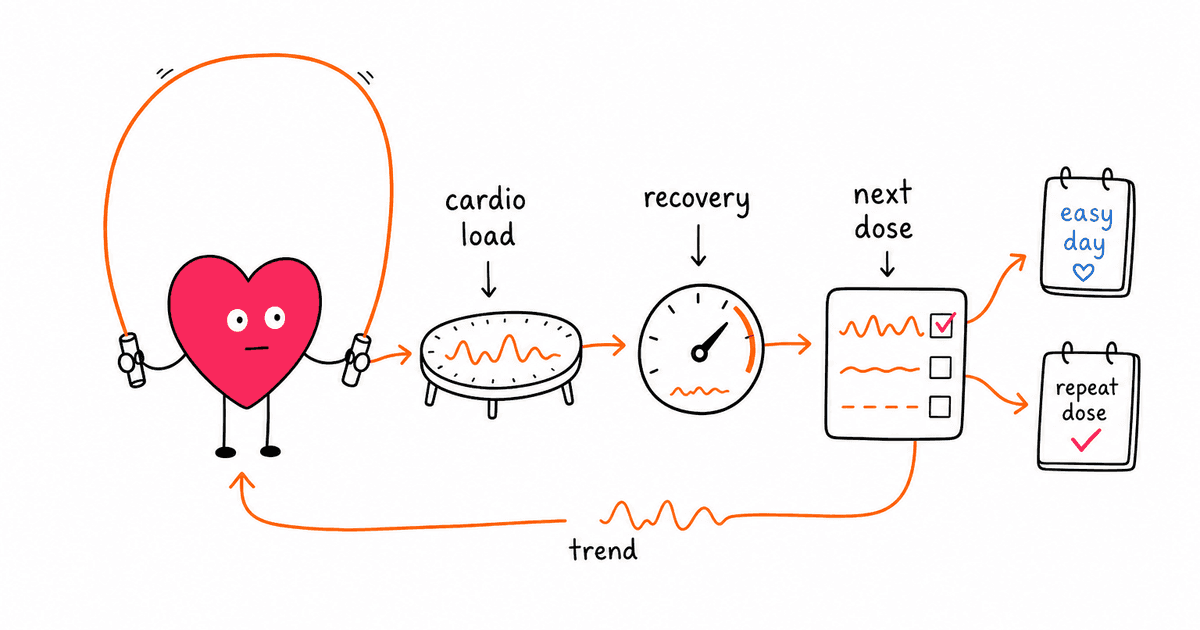
Jump rope can build serious cardio fitness in short sessions, but HRV helps you decide when to push, when to keep it easy, and when to recover.
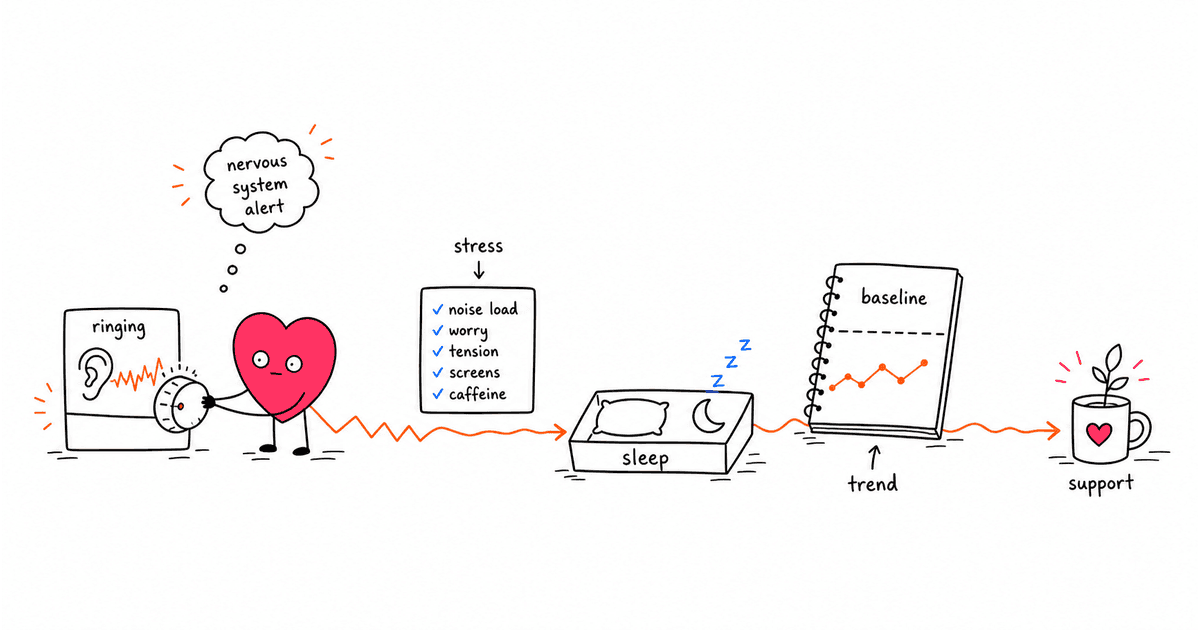
Tinnitus is not just an ear problem. Ringing in the ears can act like a chronic stress signal, lowering HRV through sleep disruption and sympathetic arousal.
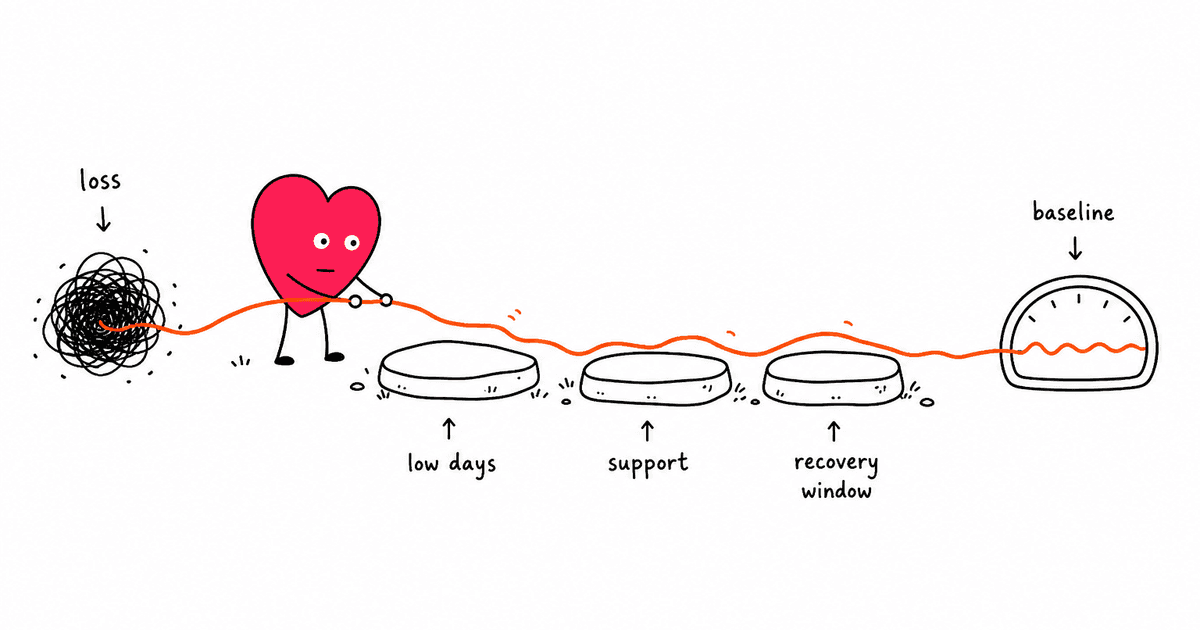
Grief can push your nervous system into a high-load state. HRV can help you notice the strain, but it should be used gently.
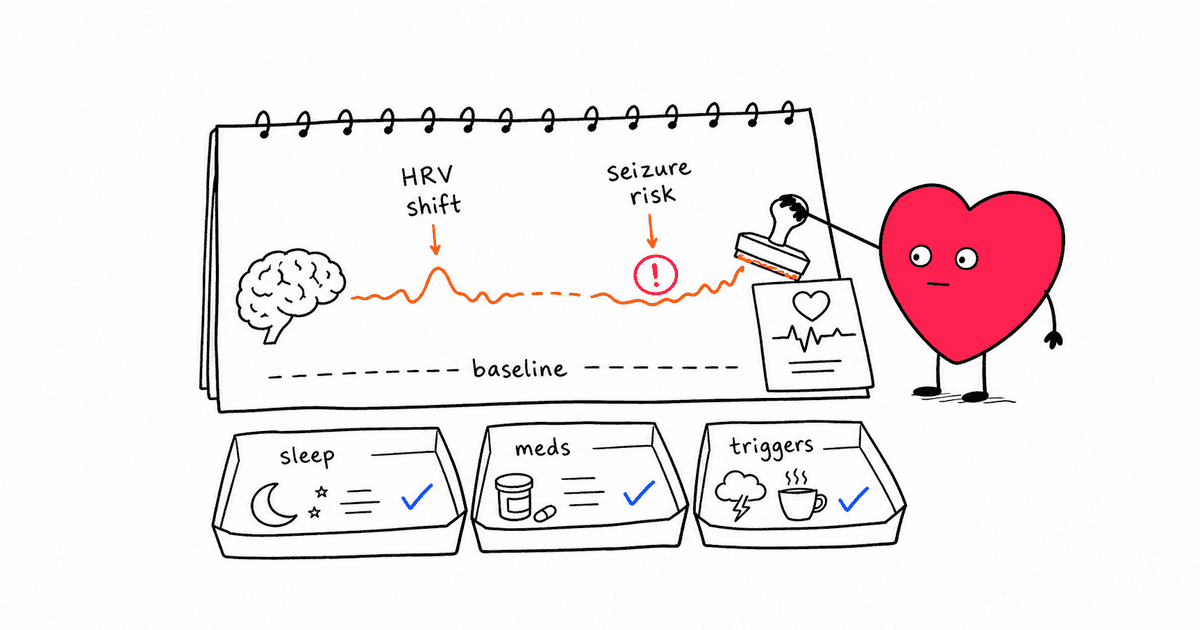
Epilepsy can disrupt autonomic control, often lowering HRV and changing heart rate patterns around seizures. Here is what the research means and what HRV cannot tell you.
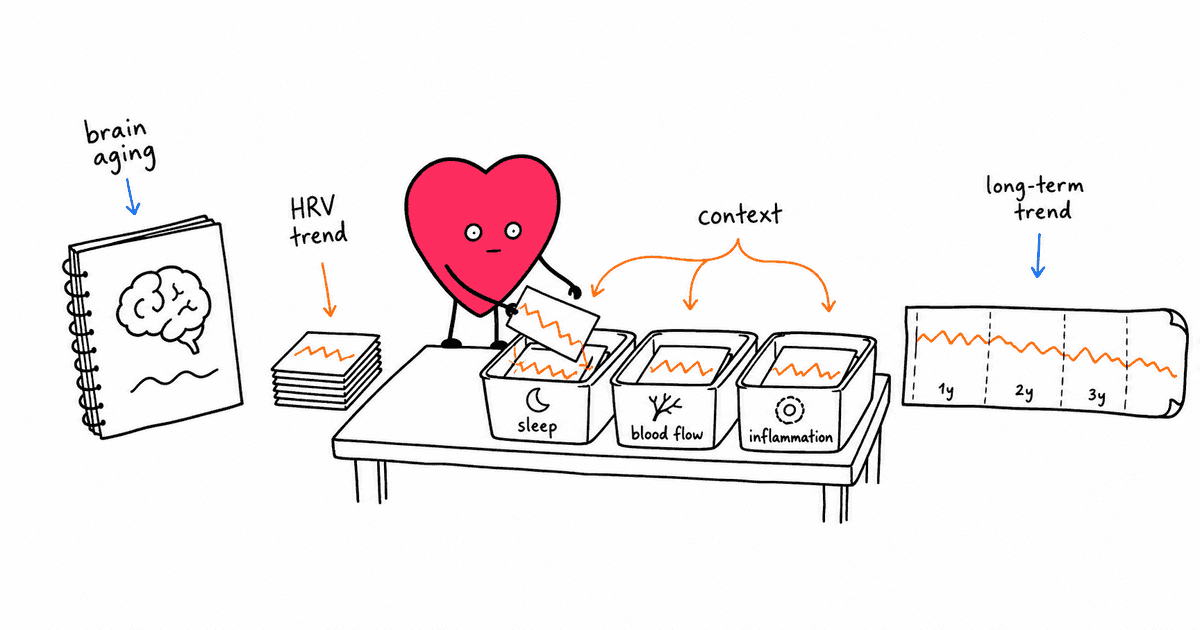
Dementia and cognitive decline are often linked with lower HRV, but HRV is a context signal, not a diagnostic test. Here is how to read the pattern.
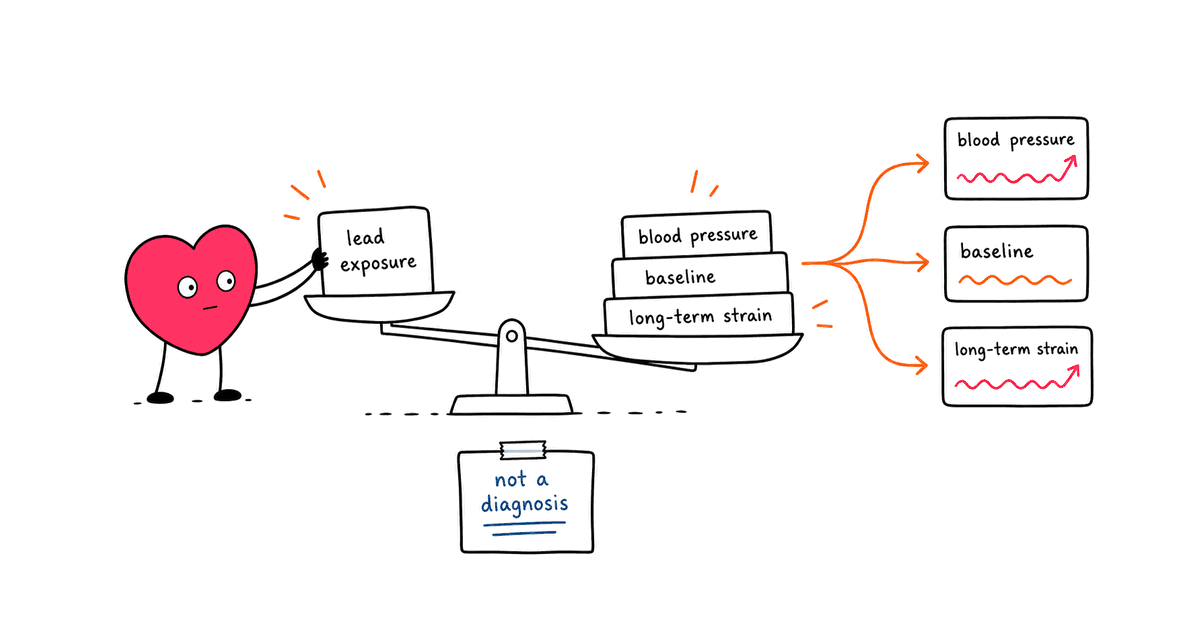
Lead is a cardiovascular and nervous system toxin. Here is what research suggests about lead exposure, HRV, and practical exposure reduction.
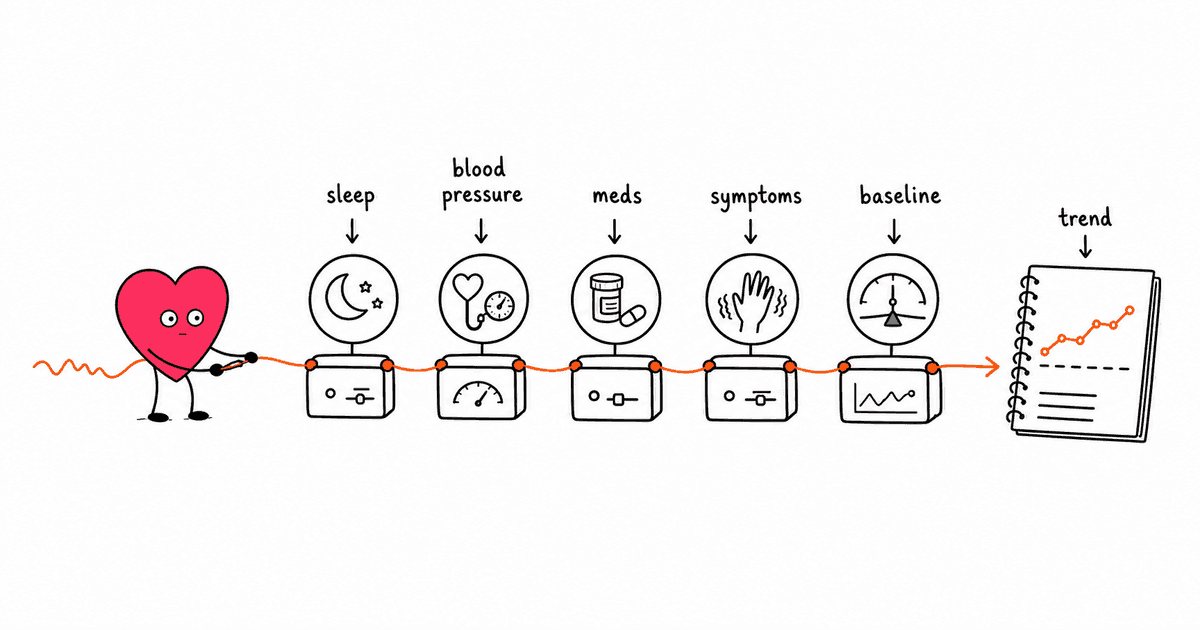
Parkinson's disease can lower HRV by disrupting autonomic control of heart rate and blood pressure. Here is what the research says and how to track trends safely.
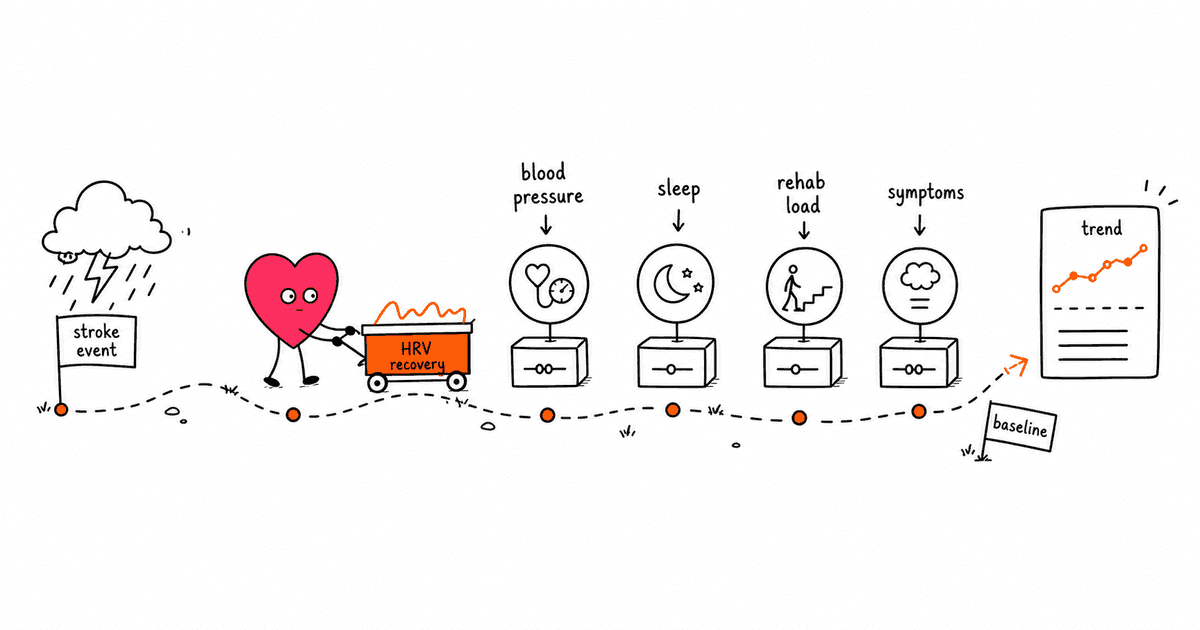
Stroke can disrupt autonomic control. HRV may help show recovery strain, complication risk, and readiness trends when interpreted with clinical care.
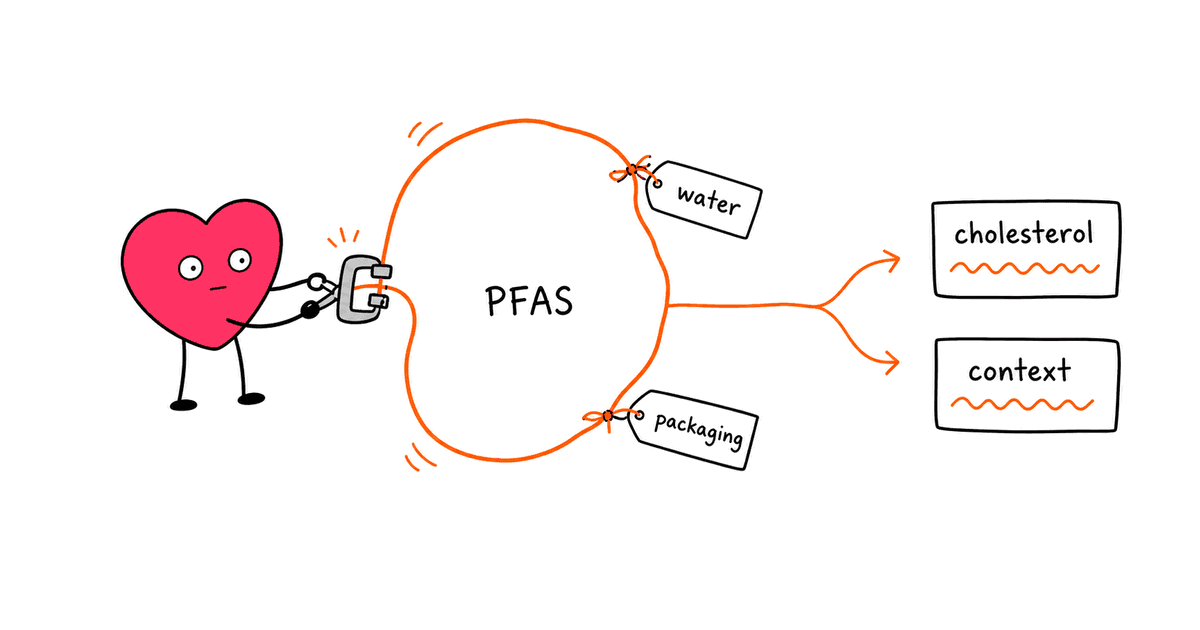
PFAS are persistent chemicals found in water, food packaging, cookware, and consumer products. Here is what the evidence means for HRV and heart health.
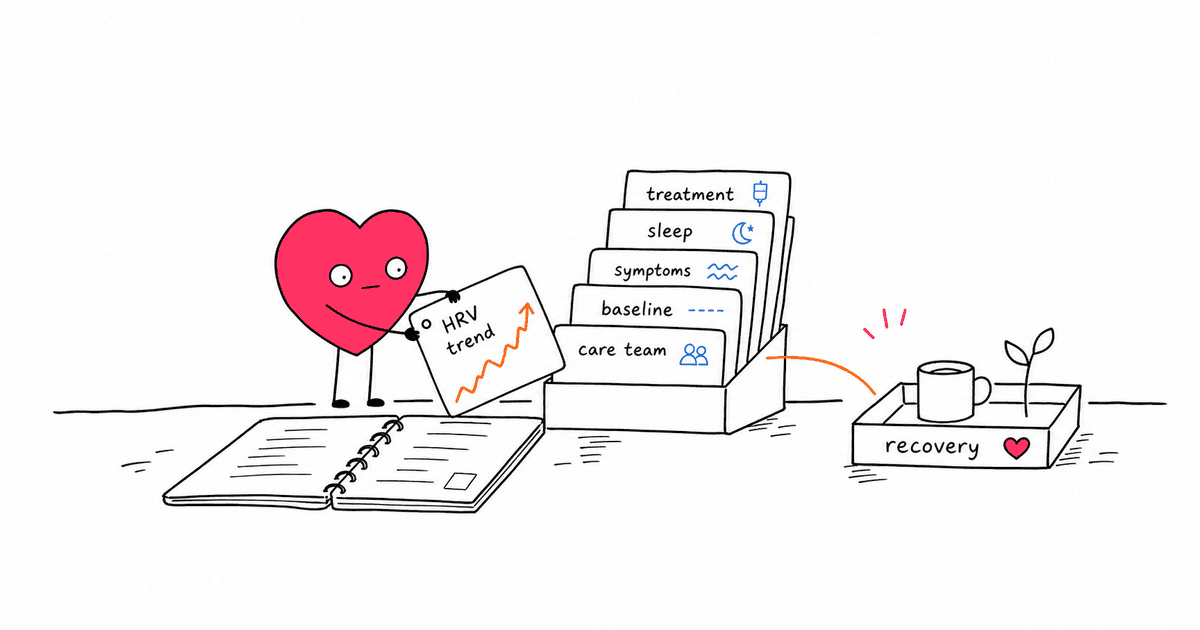
Cancer and treatment can disrupt autonomic balance. HRV may help reveal recovery strain, but it should never be used to judge cancer status on its own.
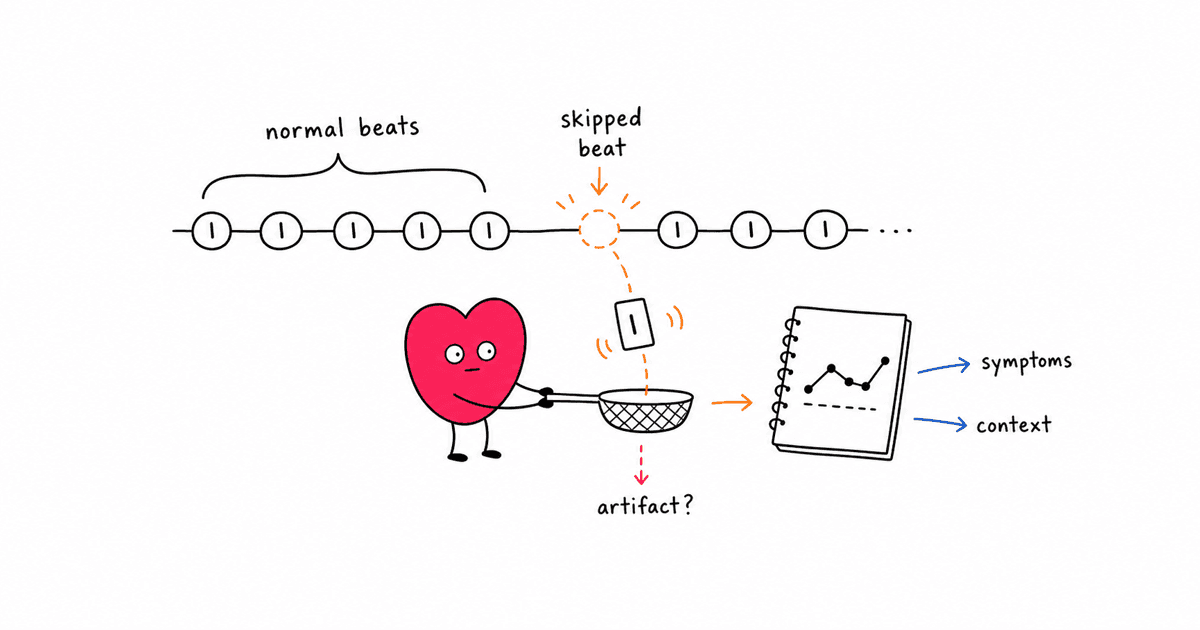
Skipped beats can make HRV look strange. Here is how palpitations affect your data, what to track, and when symptoms deserve medical care.
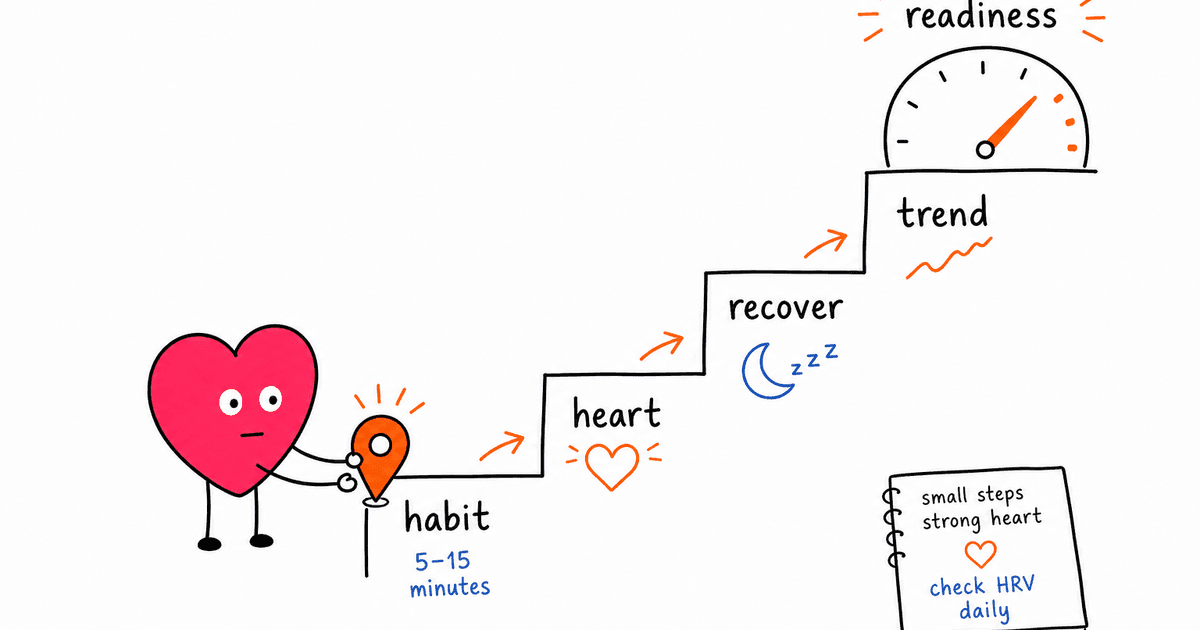
Stair climbing is a practical exercise snack that can challenge your heart, improve fitness, and help you use HRV to balance effort with recovery.
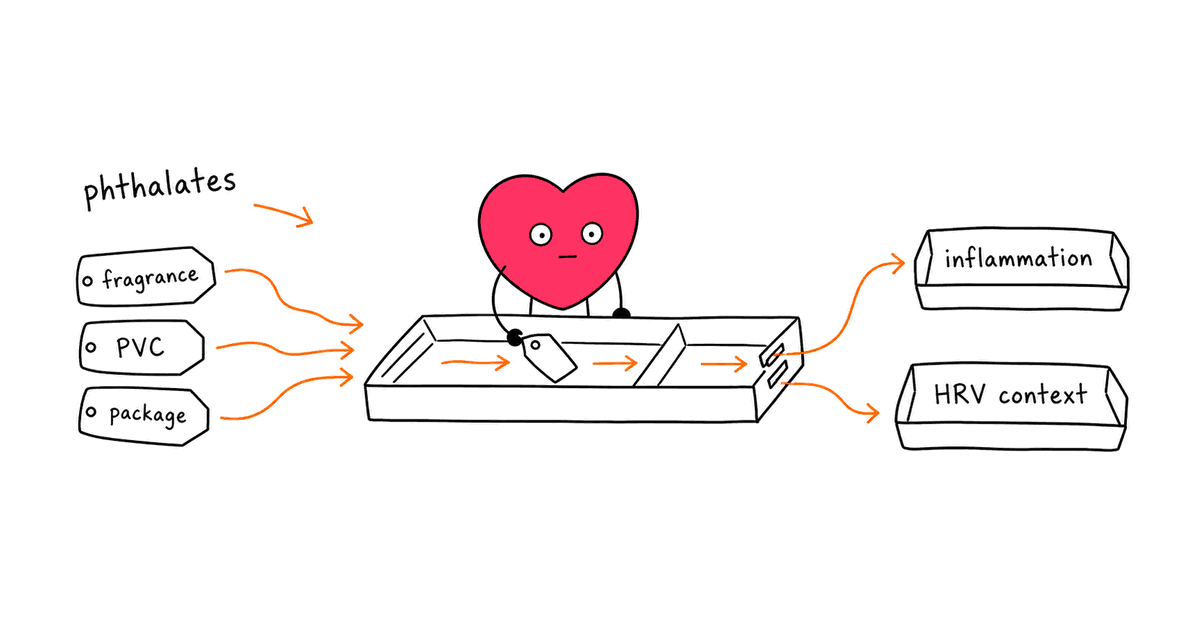
Phthalates are plastic additives found in food packaging, PVC, and personal care products. Here is what the evidence says about HRV, heart health, and practical exposure reduction.
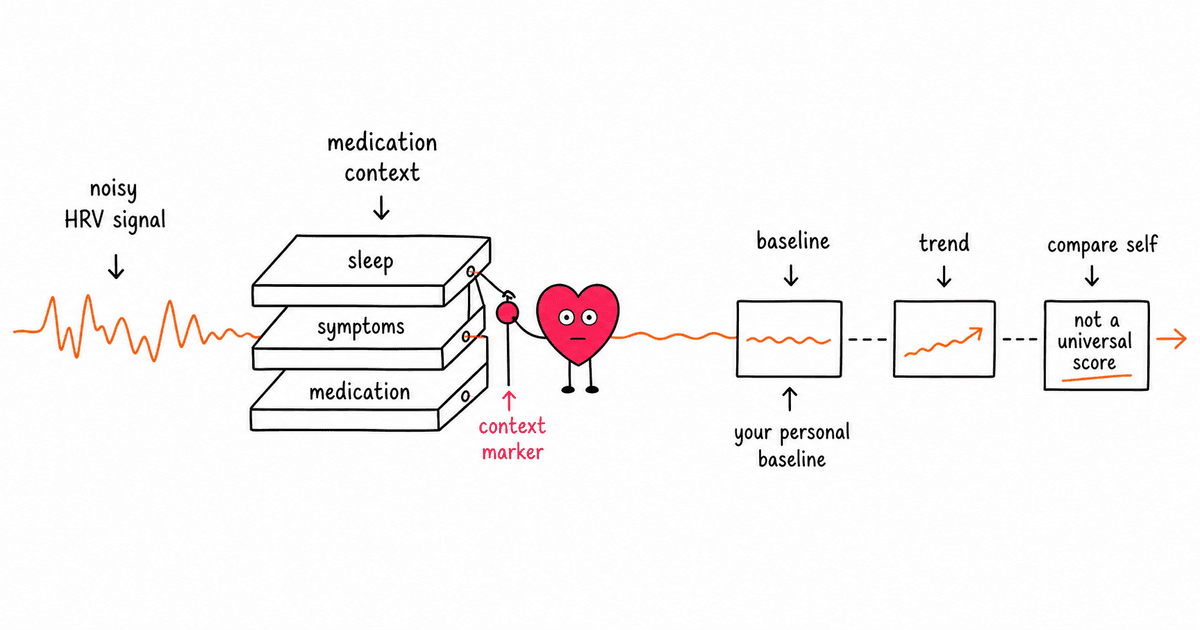
Antidepressants can change HRV, but the pattern depends on the drug class, dose, baseline health, and whether depression itself is improving.
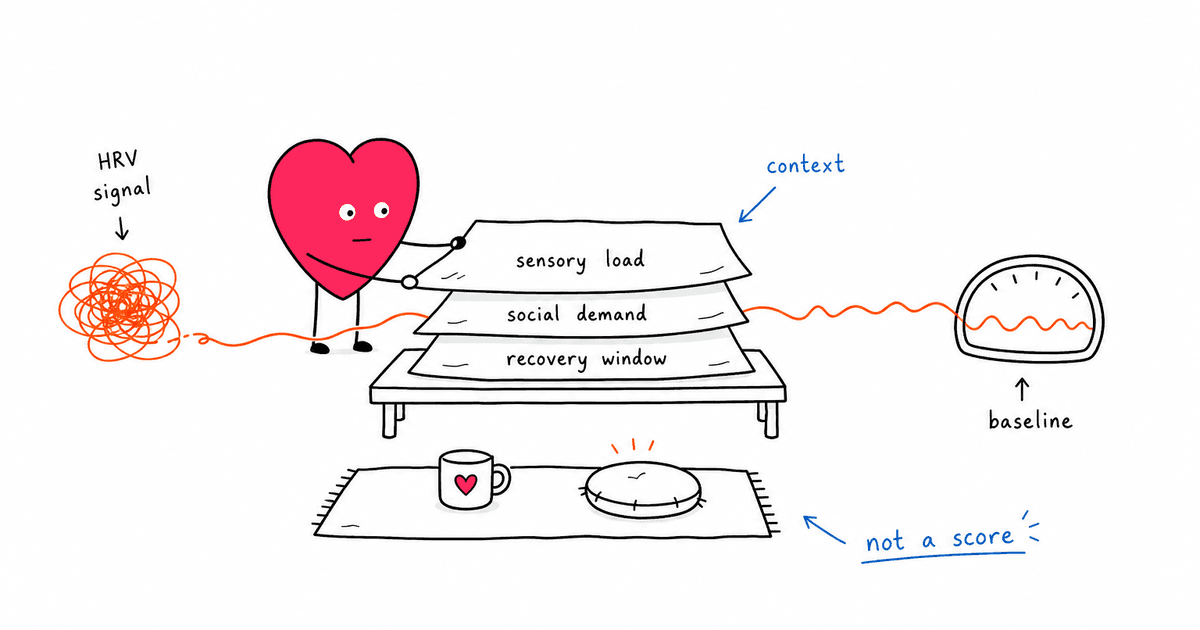
Autism is often discussed through behavior, but HRV offers a window into autonomic regulation, stress reactivity, and recovery in autistic people.
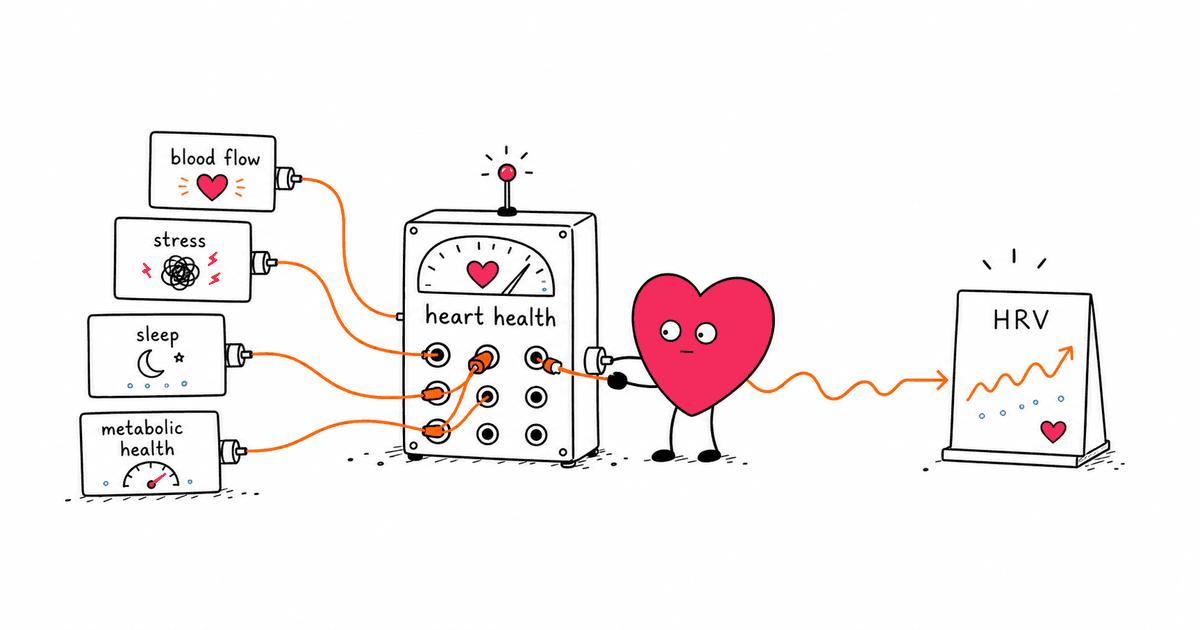
ED and HRV both reflect vascular, metabolic, and autonomic health. Here is what the research says and how to read your trends responsibly.
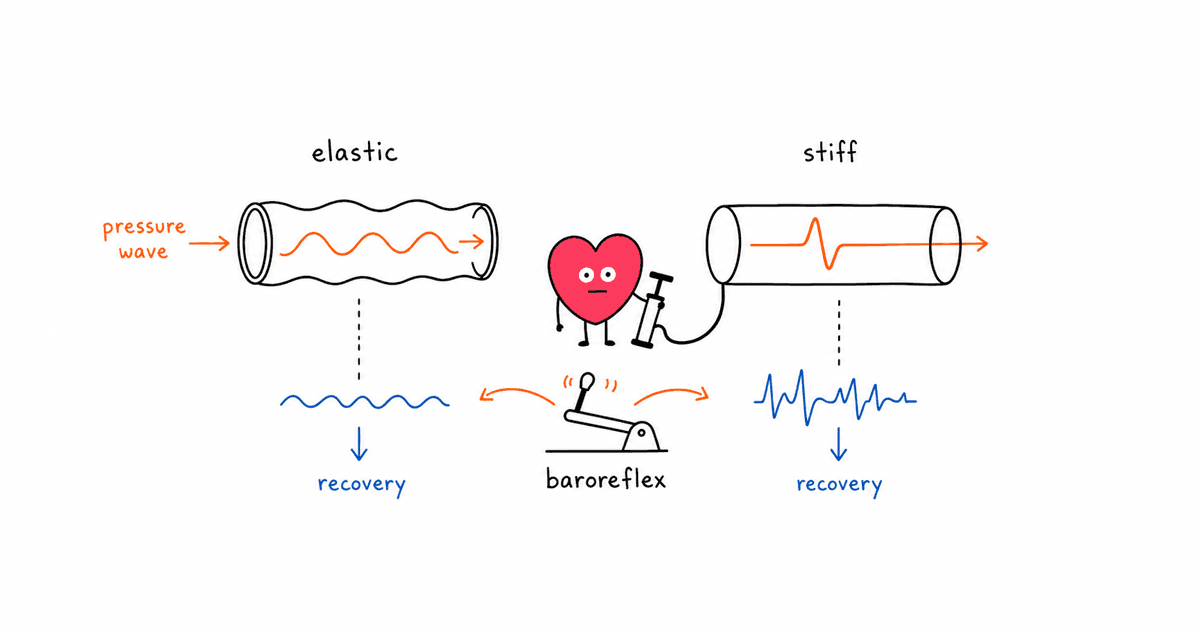
Stiffer arteries can make the heart and nervous system work harder. Here is how arterial stiffness connects to HRV, blood pressure, and recovery.
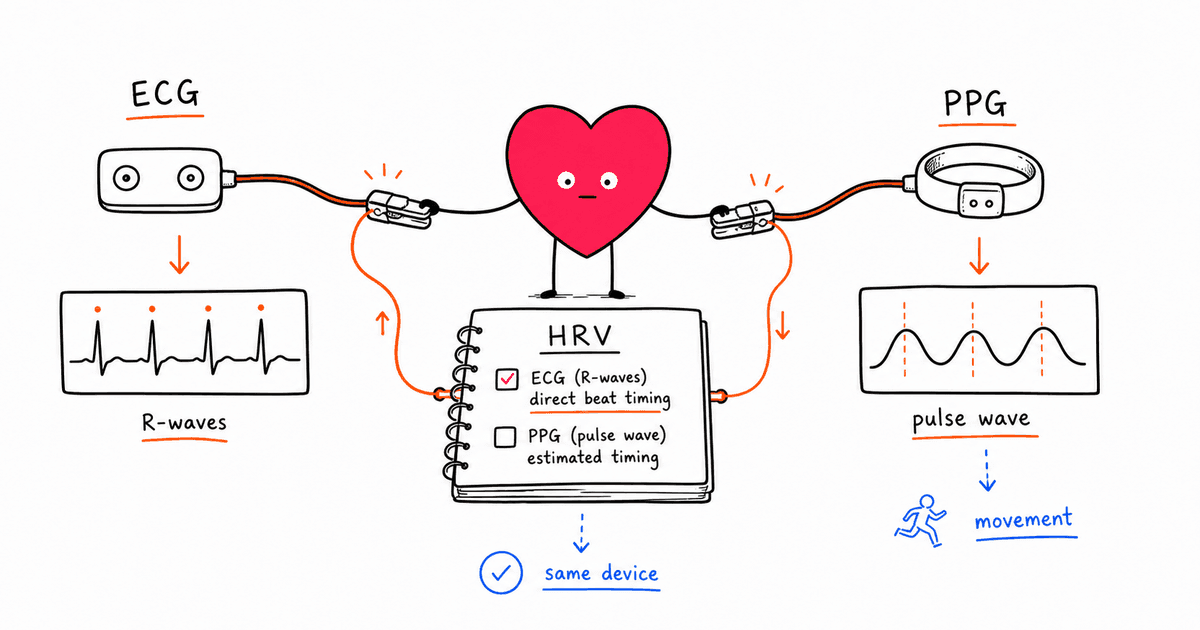
ECG and PPG can both track HRV, but they are not measuring the same signal. Here is when each sensor type is accurate enough.
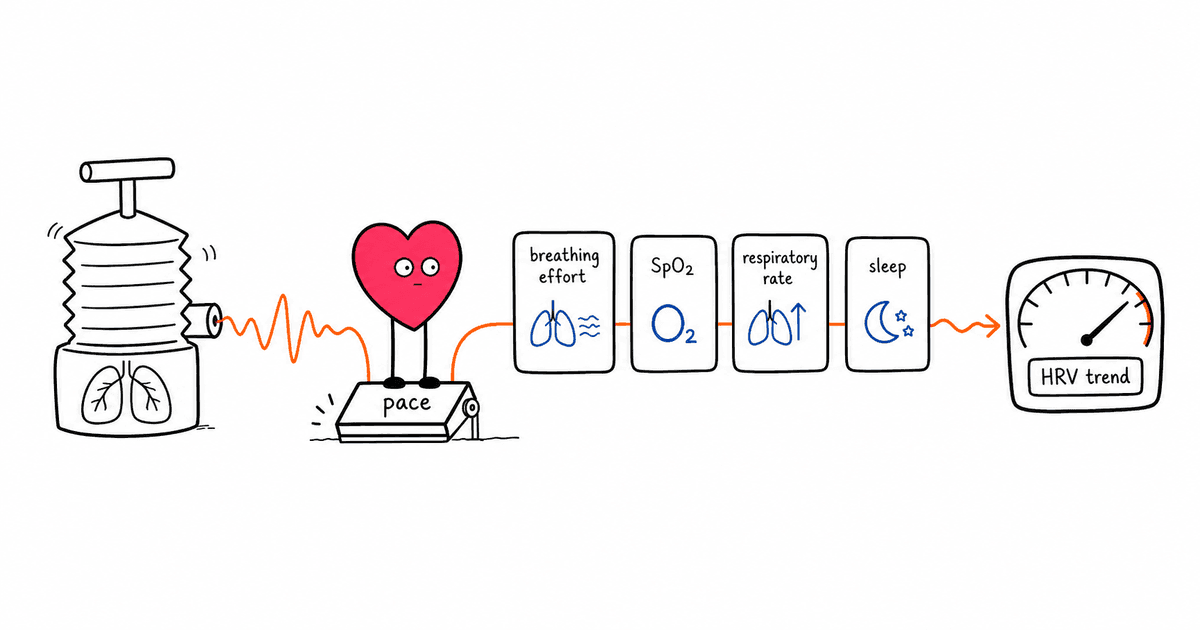
COPD changes more than breathing. It can suppress HRV, raise heart rate, and reveal autonomic strain when tracked alongside symptoms, respiratory rate, and SpO2.
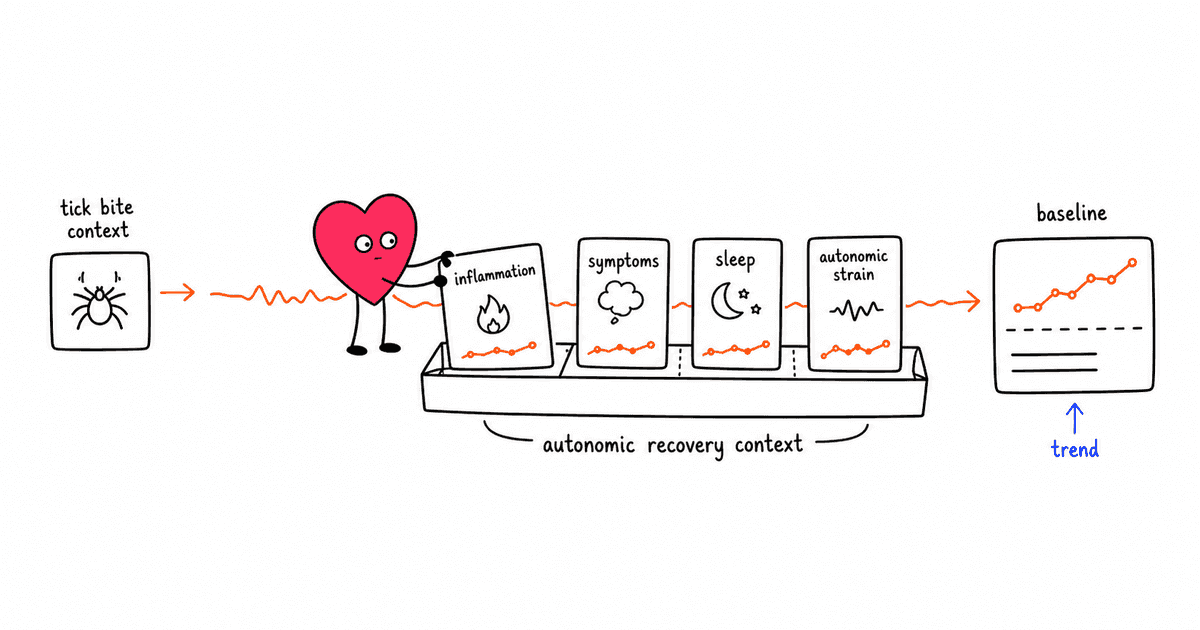
Lyme disease can disrupt HRV through inflammation, vagal tone changes, sleep disruption, and dysautonomia. Here is what HRV can and cannot tell you.
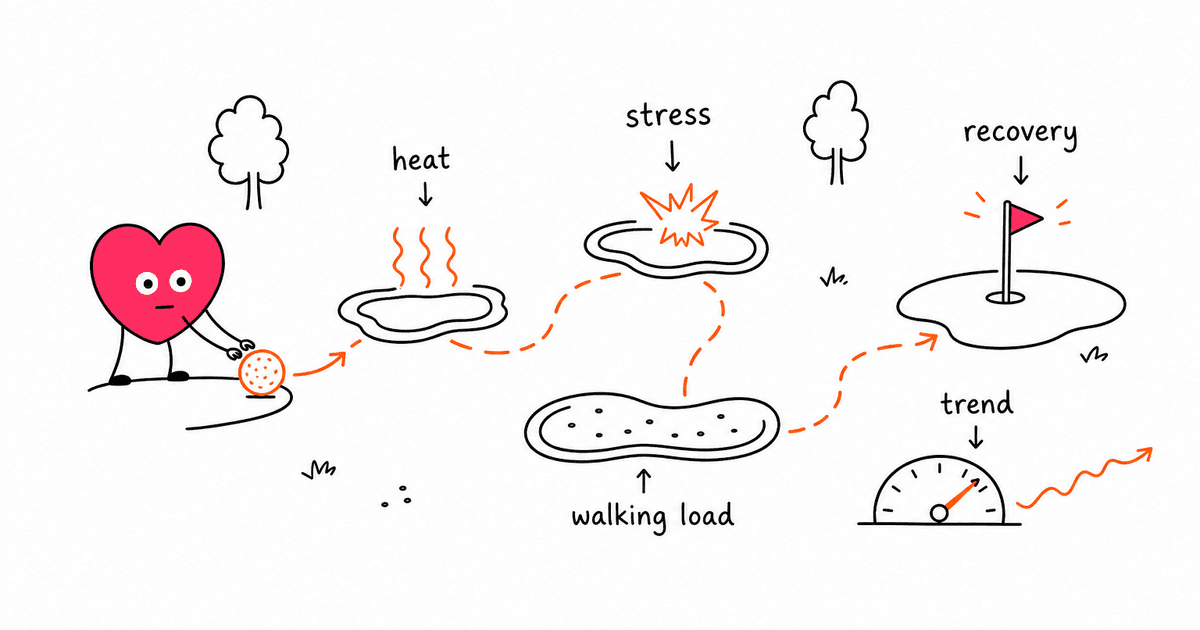
Golf can support heart health, stress resilience, and long-term fitness when the workload is managed well. Here is how golfers can use HRV to recover smarter.
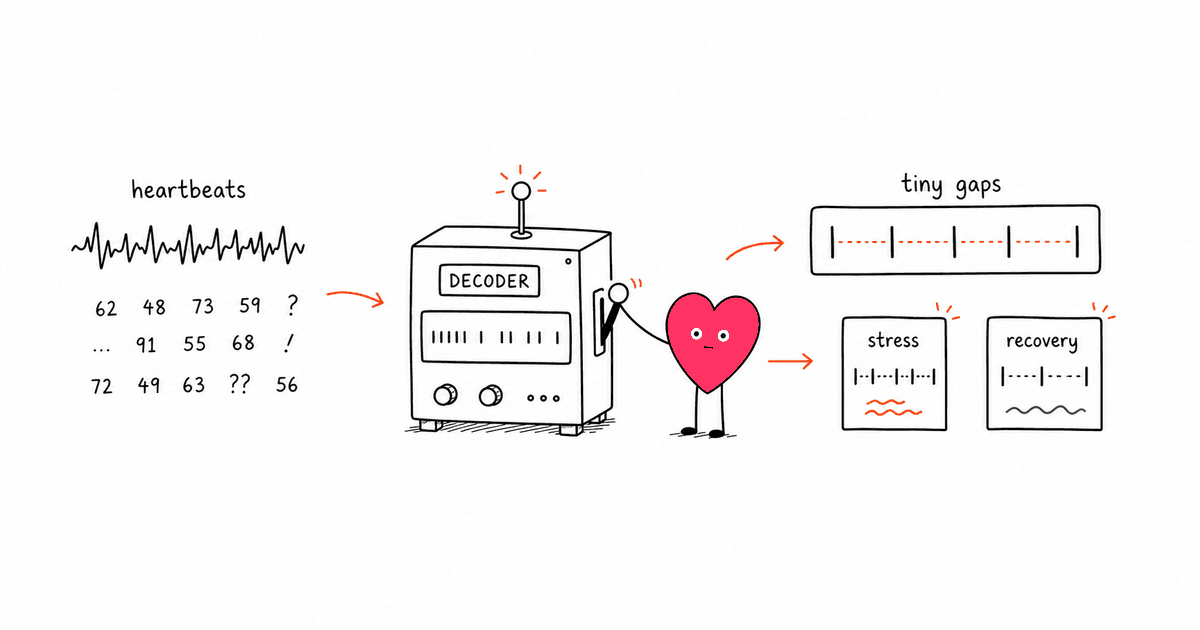
A plain-English guide to HRV, what the number means, why it changes, and how to use it without turning recovery into homework.
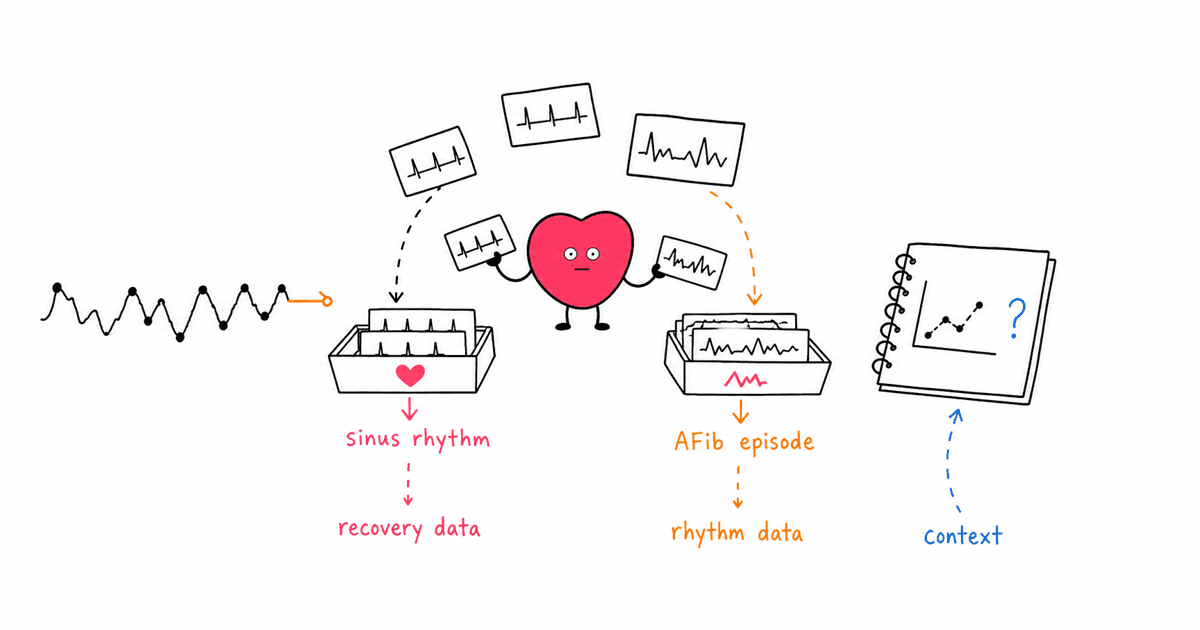
AFib changes the rhythm HRV is supposed to measure. Here is when HRV is useful, when it is misleading, and what to watch instead.
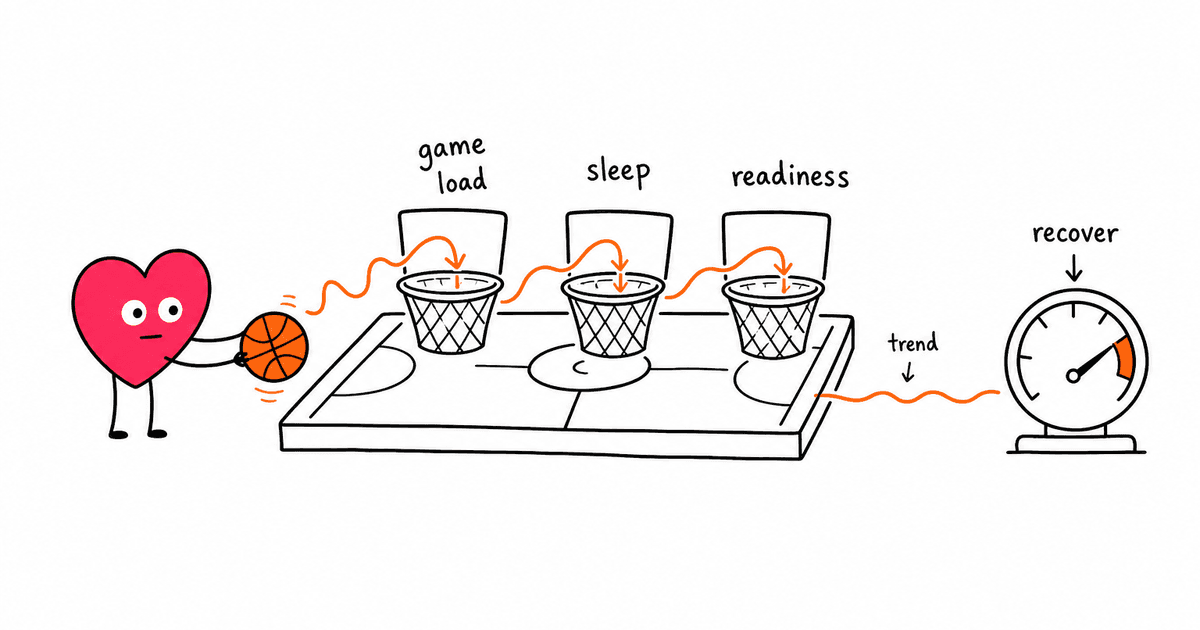
Basketball can support heart health and conditioning, but its stop-and-go intensity can hit recovery hard. HRV helps players manage that load.
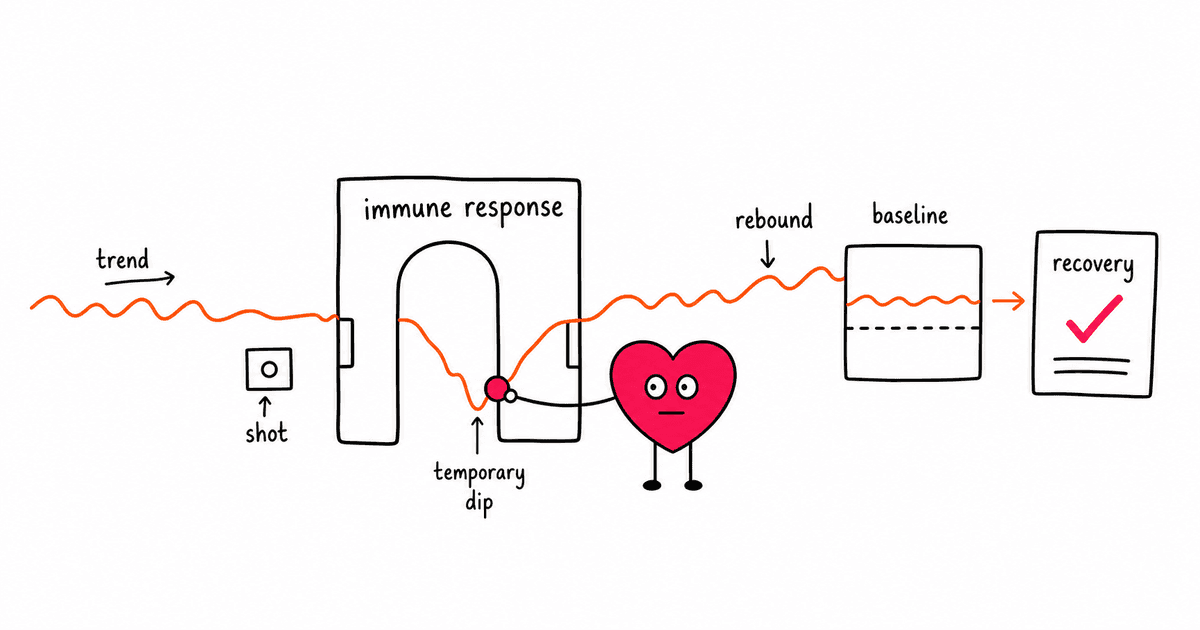
A temporary HRV dip after vaccination is usually a sign your immune system is doing work, not proof something is wrong.
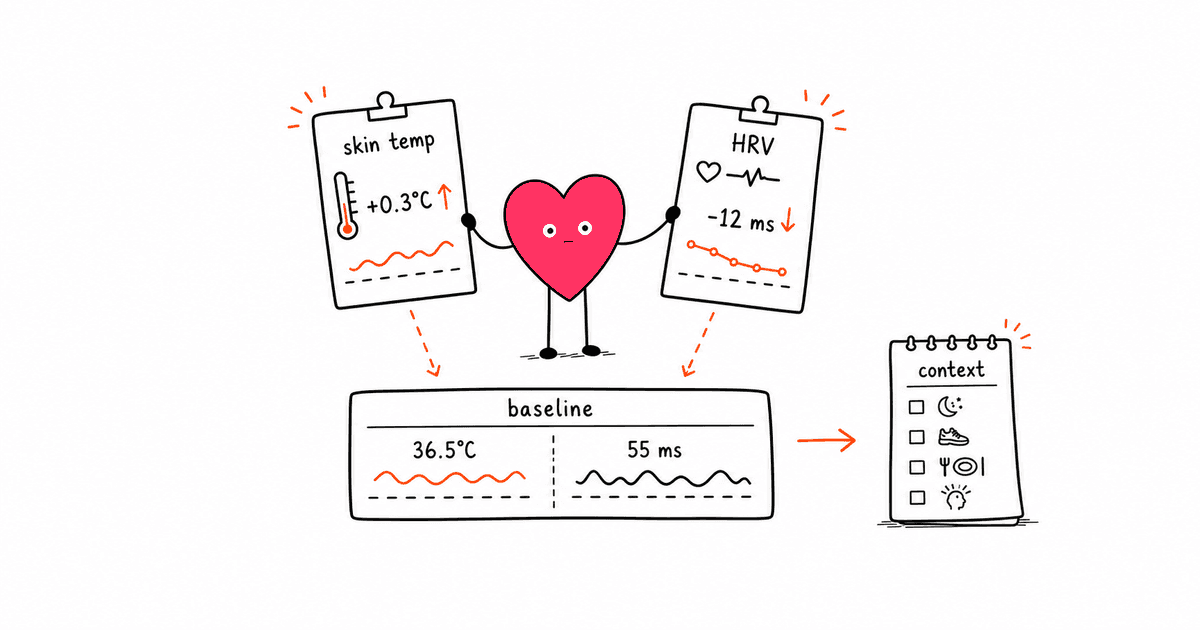
Skin temperature is one of the most misunderstood wearable metrics. Here is how to interpret it alongside HRV without overreacting to every warm or cool night.
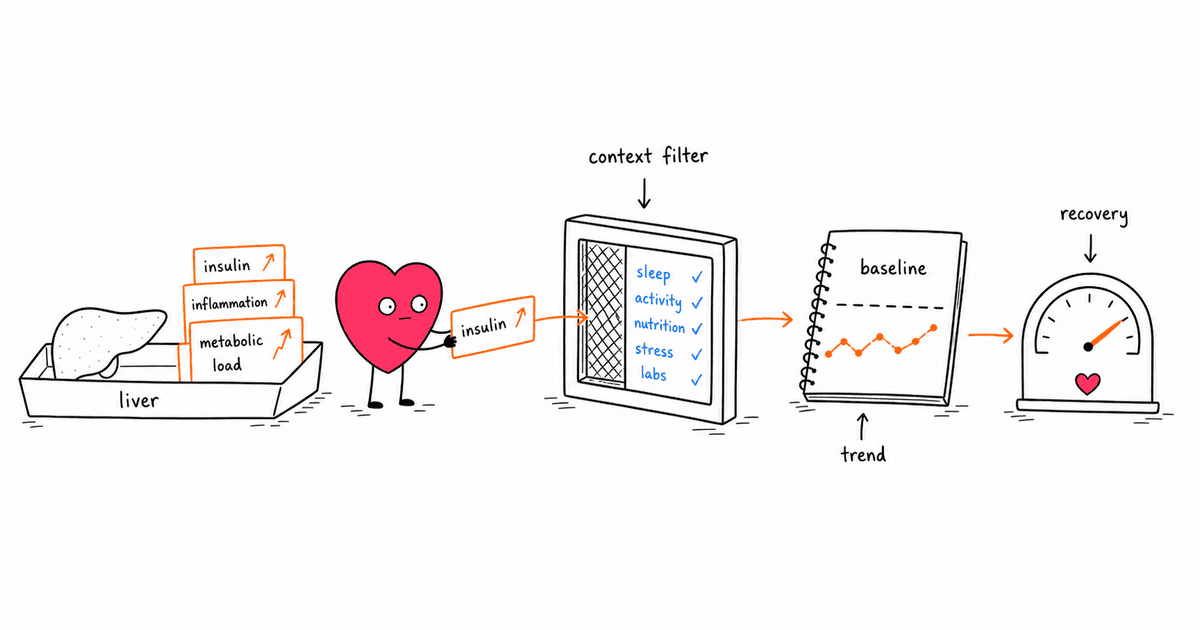
Fatty liver disease can lower HRV by increasing metabolic stress and autonomic imbalance. Here is how to read the signal without turning your wearable into a diagnosis.
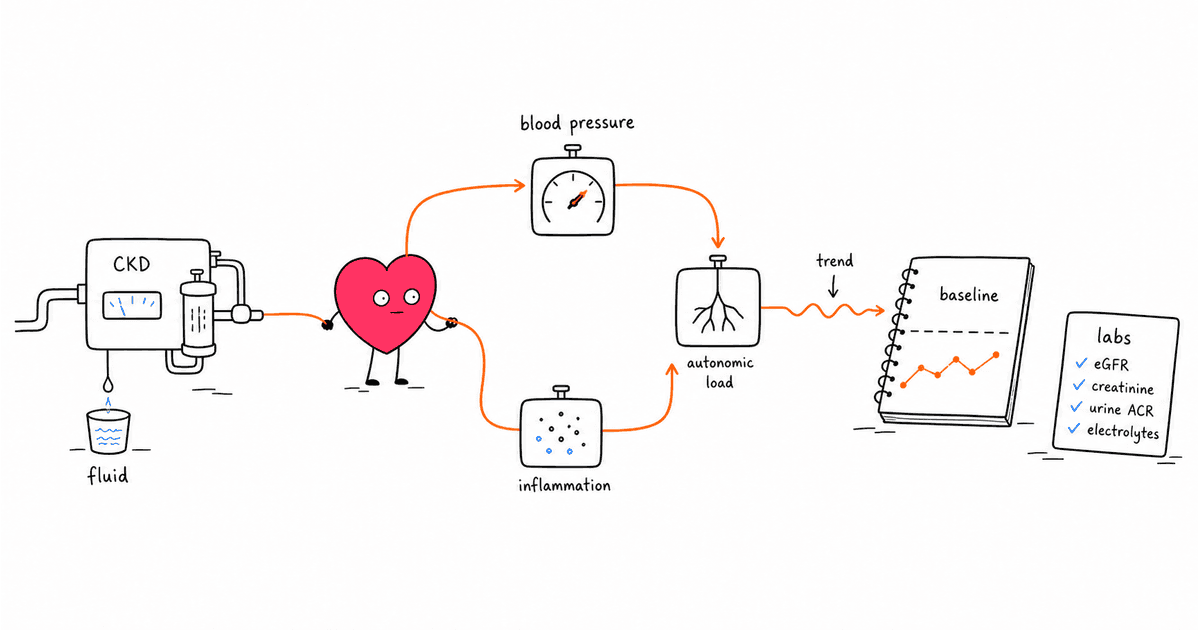
Kidney disease can lower HRV by disrupting autonomic balance. Here's what CKD research shows and how to interpret HRV trends carefully.
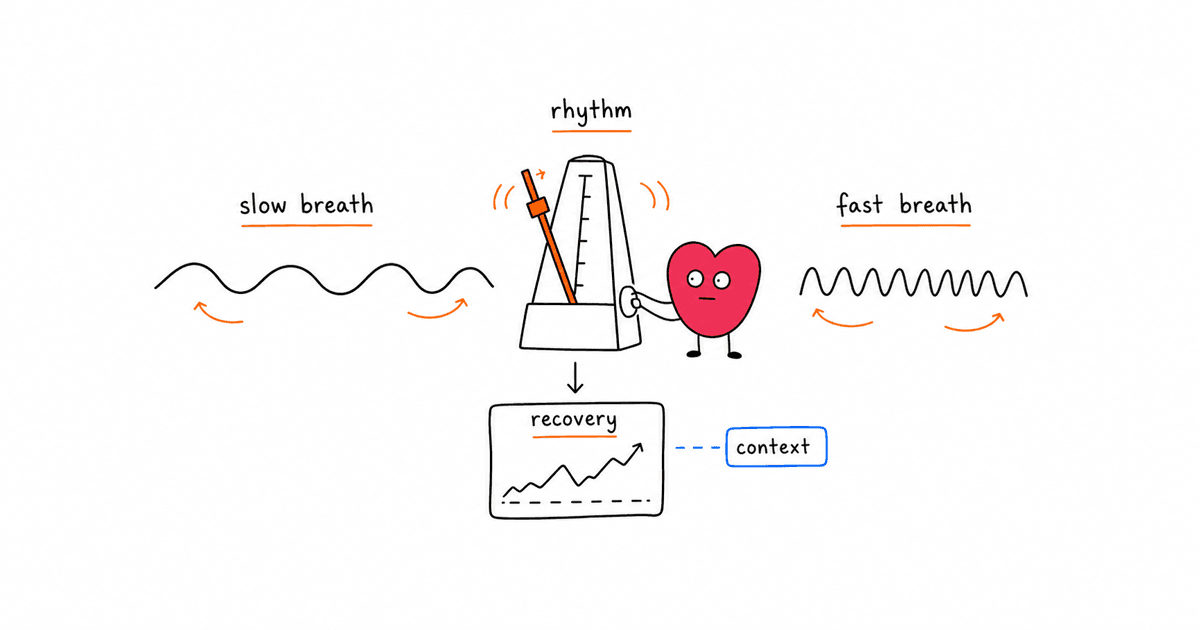
Respiratory rate can change your HRV reading without anything being wrong. Here is how breathing speed, illness, sleep, and slow breathing affect the signal.
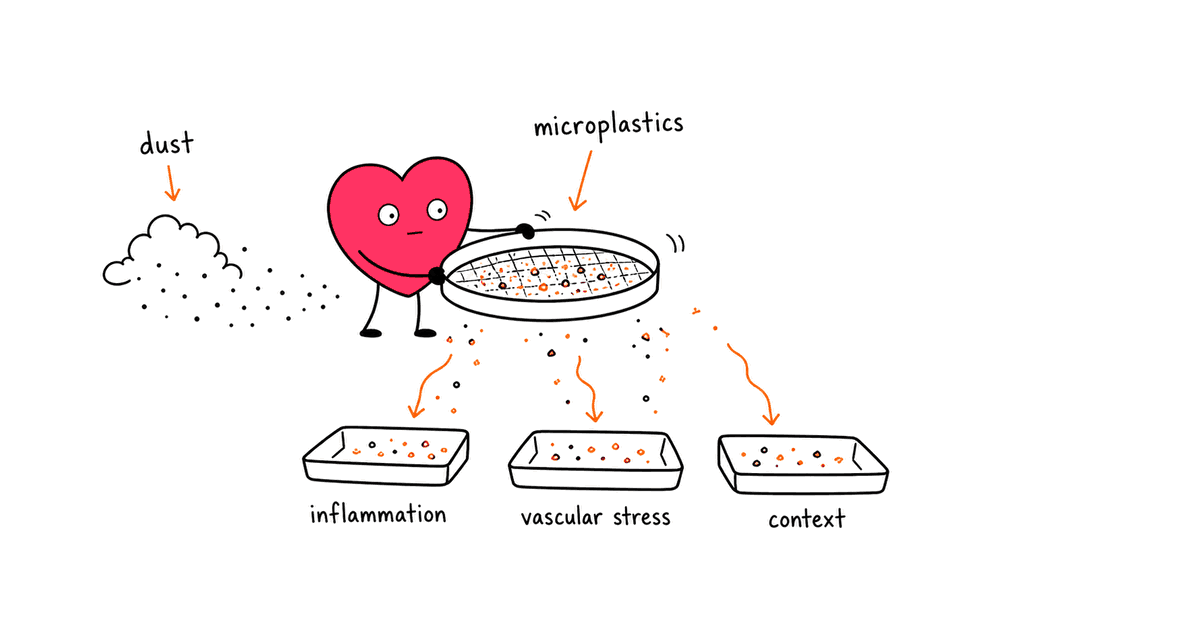
Microplastics are showing up in human tissue, blood, and even artery plaque. Here is what the evidence means for HRV, heart health, and realistic exposure reduction.
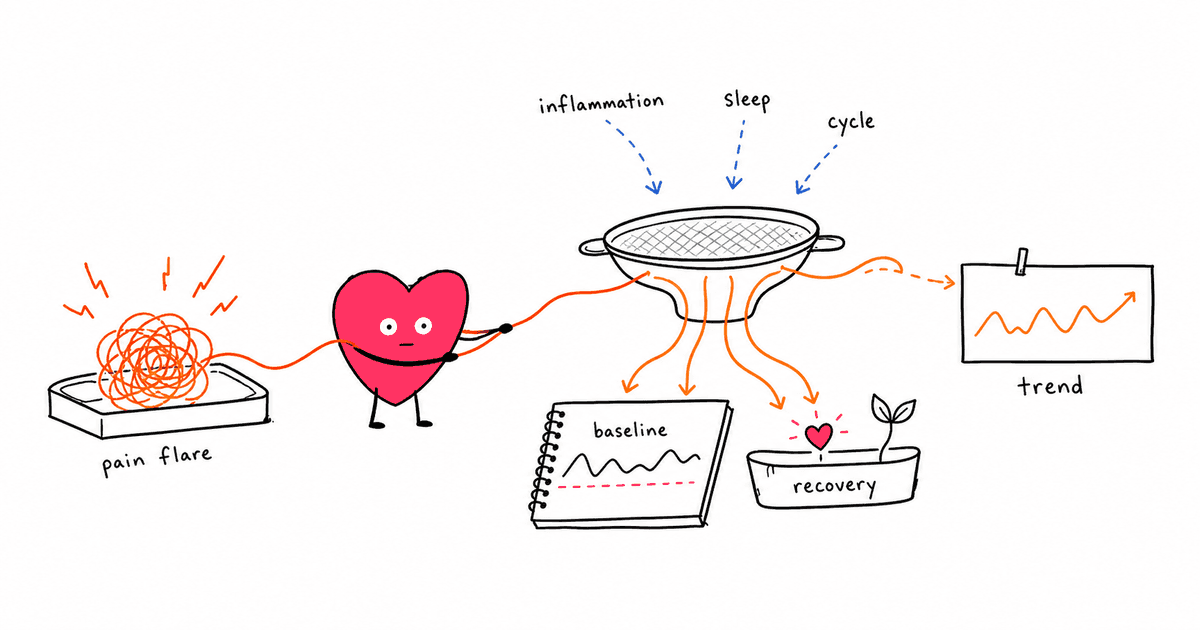
Endometriosis can affect more than pelvic pain. Here is what the research says about HRV, autonomic stress, recovery, and smarter tracking.
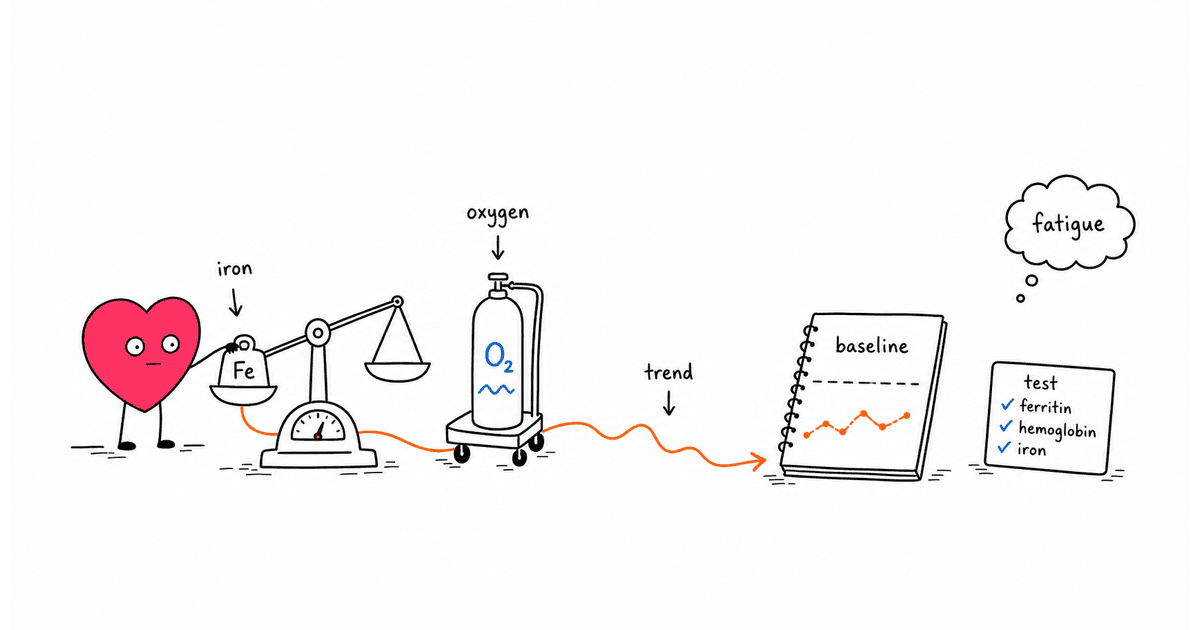
Low HRV, higher resting heart rate, and poor recovery can show up with iron deficiency, but the signal only makes sense in context. Here is how to use wearable data intelligently.
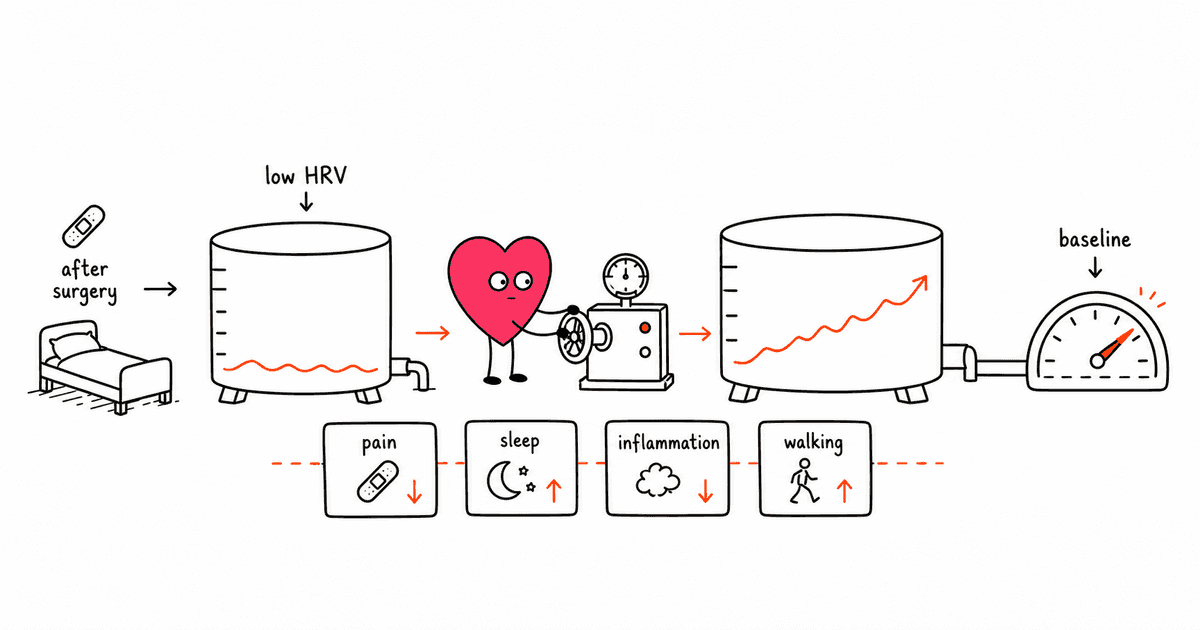
Surgery can tank your HRV for days or weeks. Here is what your wearable data can and cannot tell you during recovery, plus the signs that deserve attention.
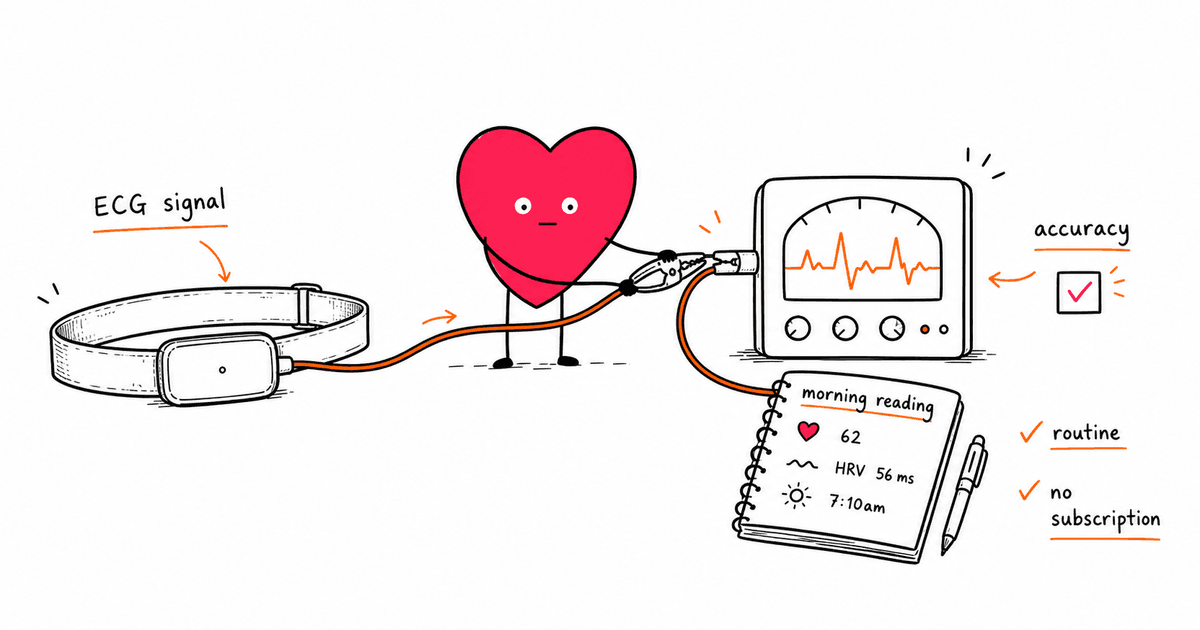
The Polar H10 is still the benchmark for accurate HRV and heart rate tracking, but it is not the right fit for every type of user.
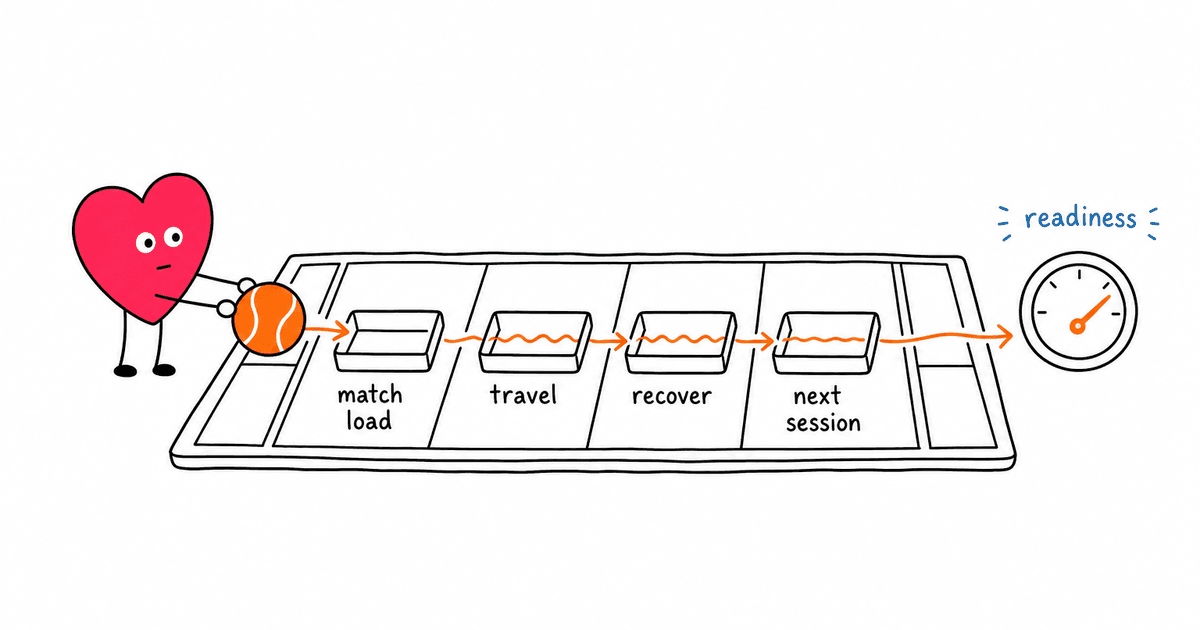
Tennis can build fitness and support heart health, but match load, heat, and tournament travel can also hit recovery hard. Here is how HRV helps you manage both.
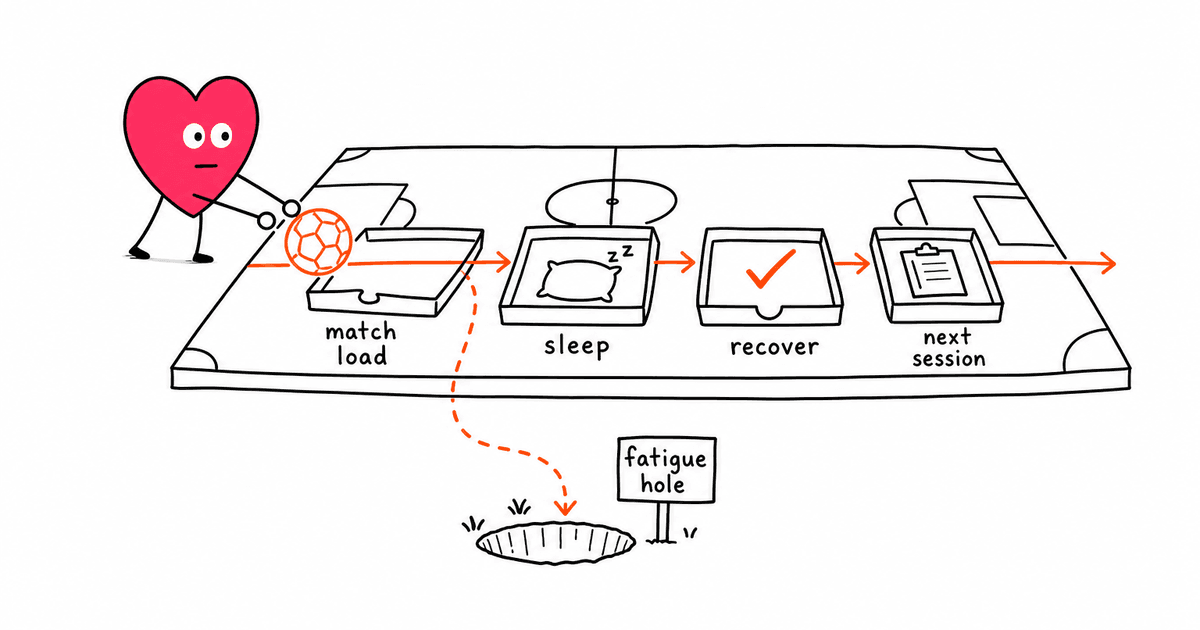
Soccer can build fitness and support heart health, but matches, sprint work, and congested weeks can also crush recovery. Here is how HRV helps you manage both.
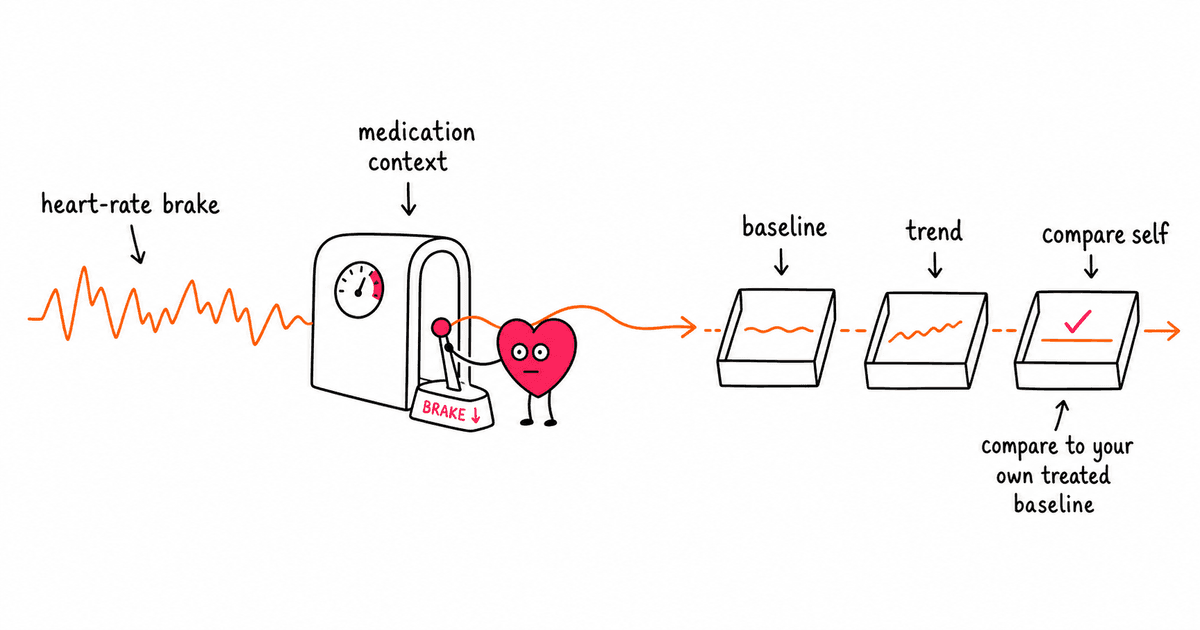
Beta blockers often slow heart rate and may change HRV in ways that can confuse wearable users. Here is how to interpret the trend without overreacting.
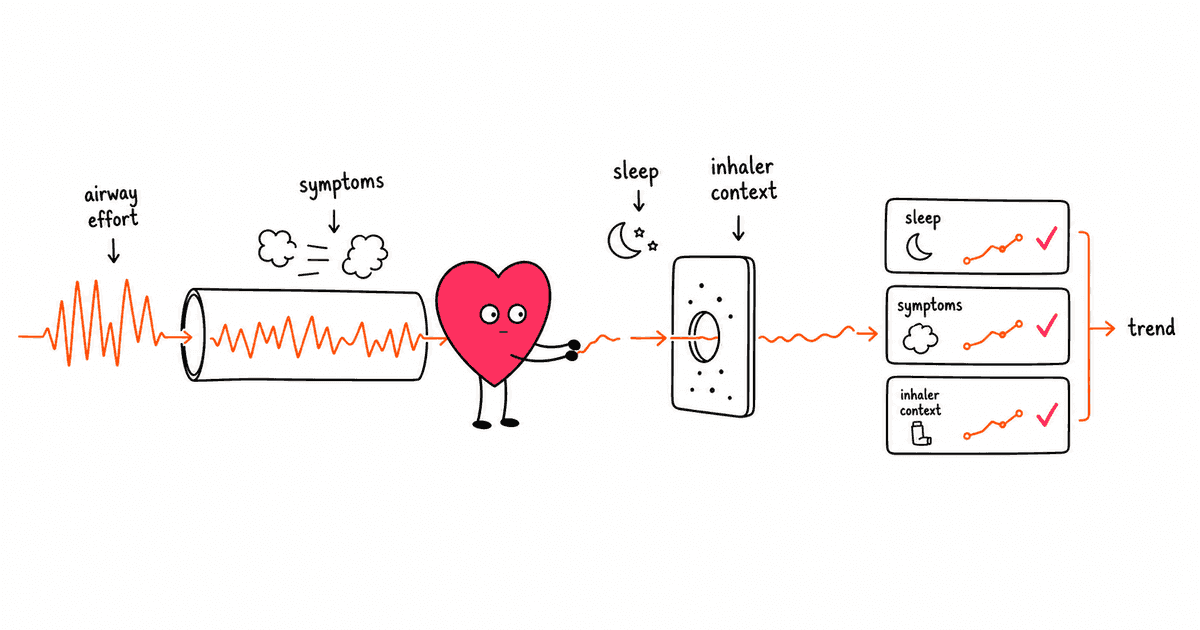
Asthma can change HRV through autonomic shifts, flare-ups, poor sleep, and rescue inhaler use. Here is how to interpret the signal without overreacting.
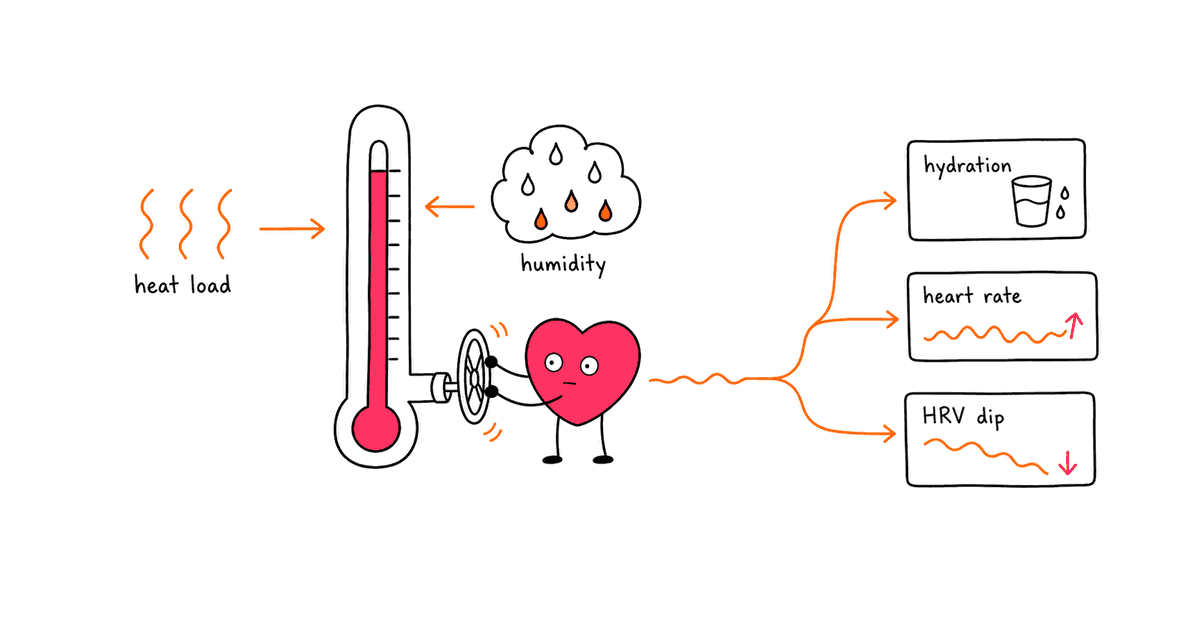
If your HRV drops during summer training blocks or heat waves, it may be the weather, not just your routine. Here's how heat and humidity change recovery.
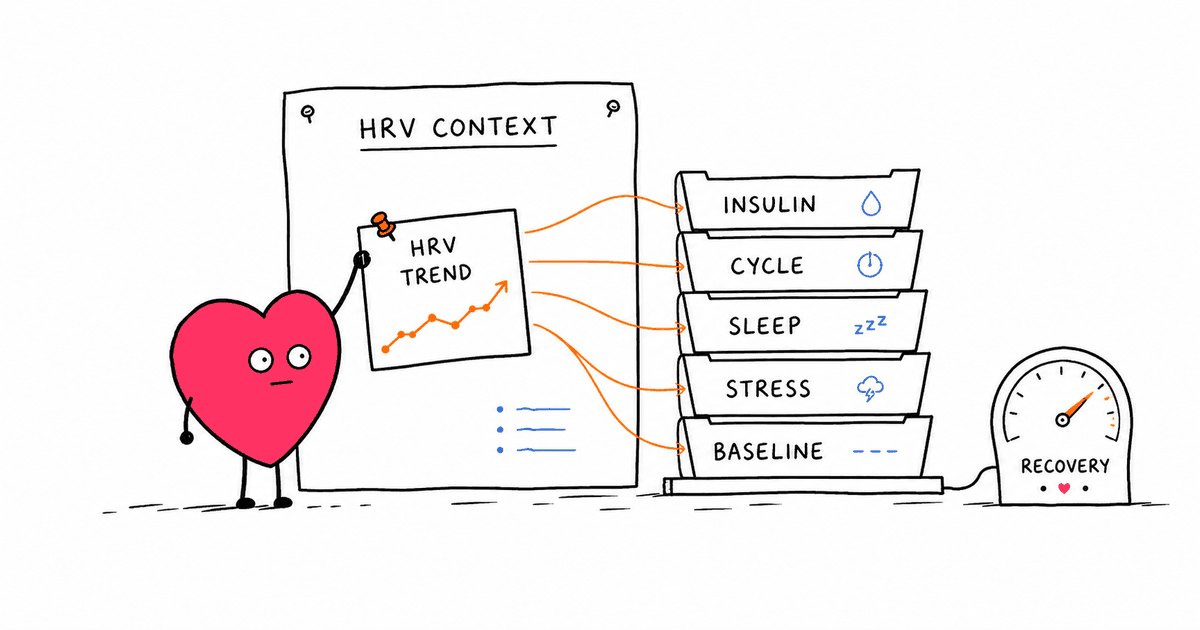
PCOS and low HRV often travel together. Here is what the research says, what drives the pattern, and how to use HRV without overreading it.
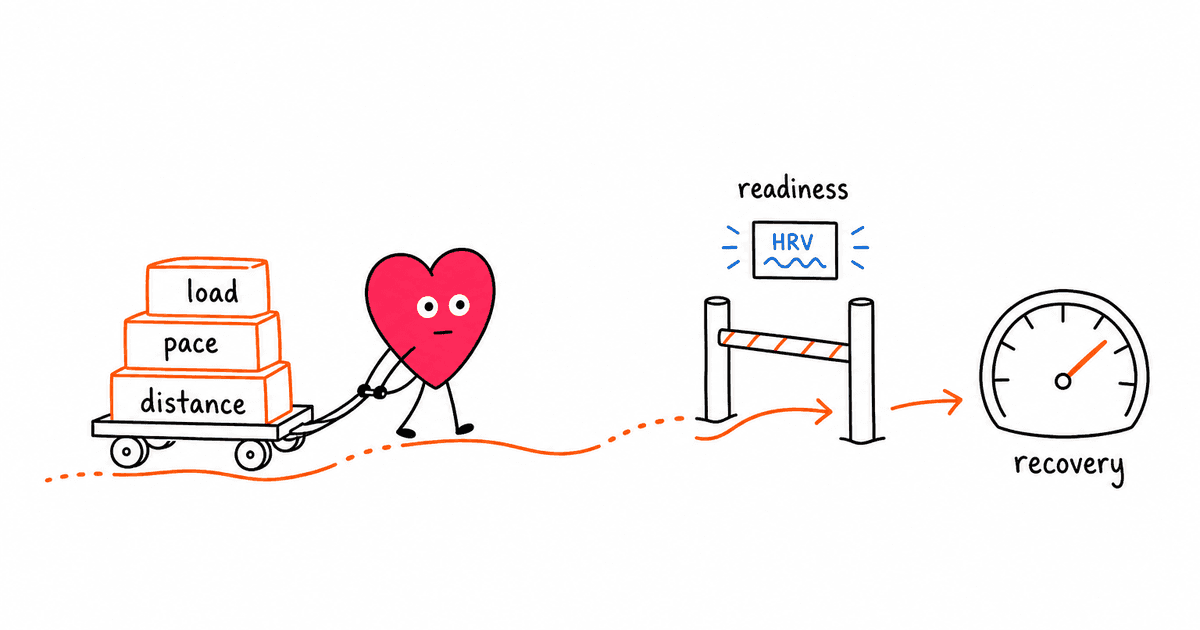
Rucking can build aerobic fitness and muscular endurance, but too much load can drag down recovery. Here is how to use HRV to keep it productive.
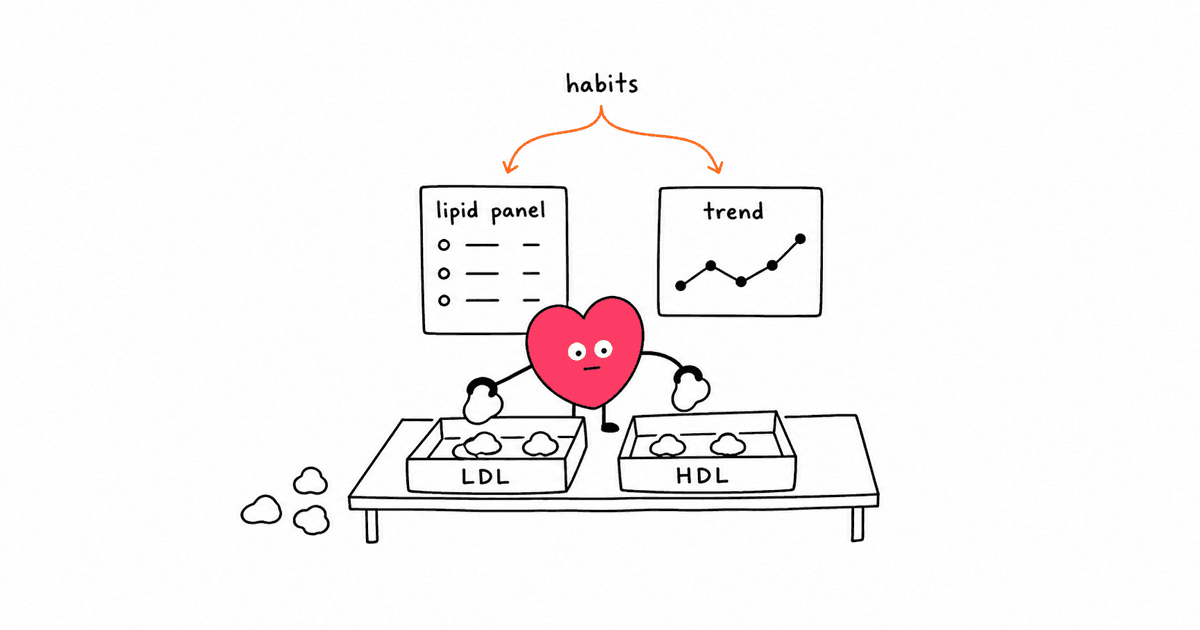
High cholesterol and low HRV often show up together. Here is what the science says, what it does not say, and how to improve both markers intelligently.
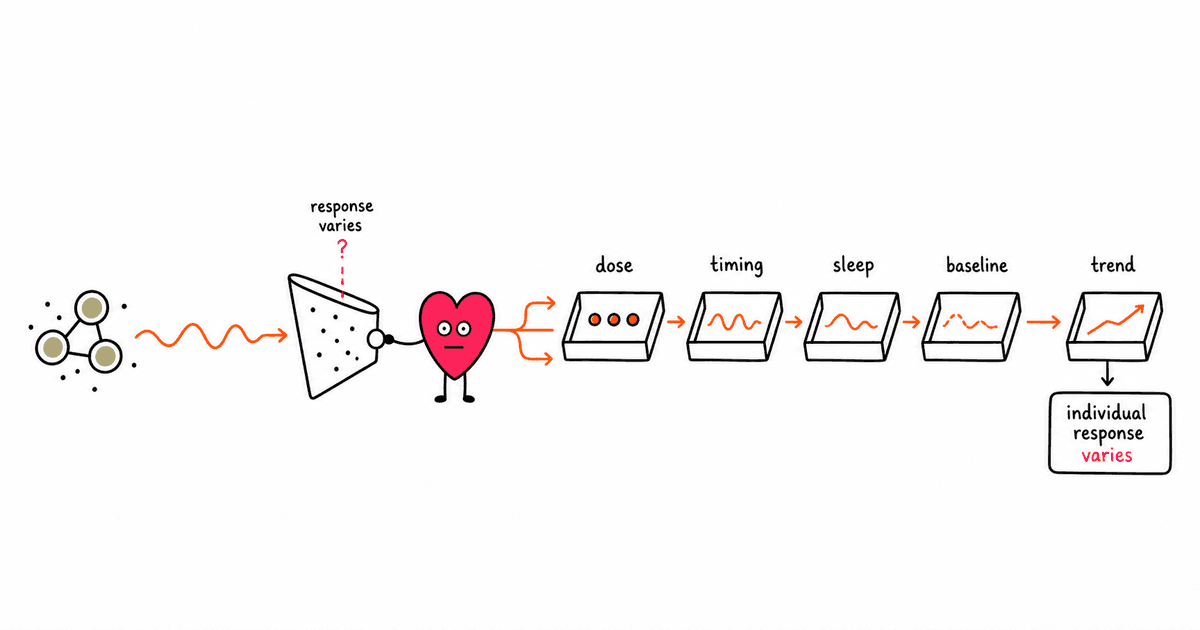
Cannabis can raise heart rate and may suppress parasympathetic HRV, especially with higher-THC products, but the research is mixed. Here is what is clear, what is not, and how to track the effect in your own data.
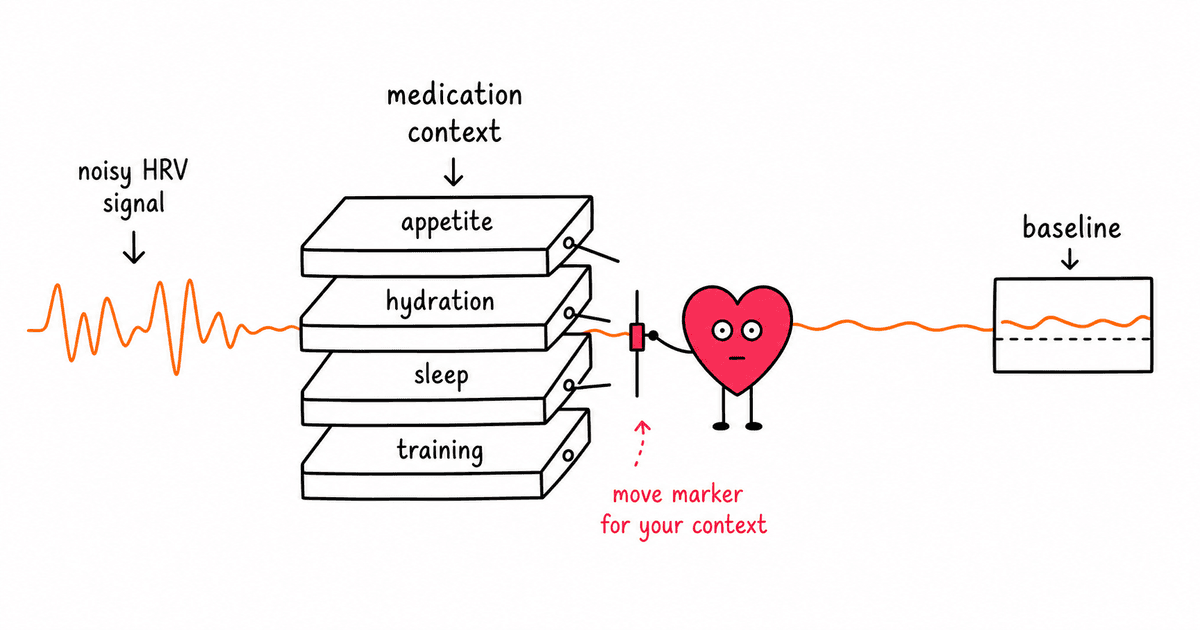
Semaglutide can improve weight and cardiometabolic risk, but it may also raise resting heart rate. Here is what that means for your HRV and recovery data.
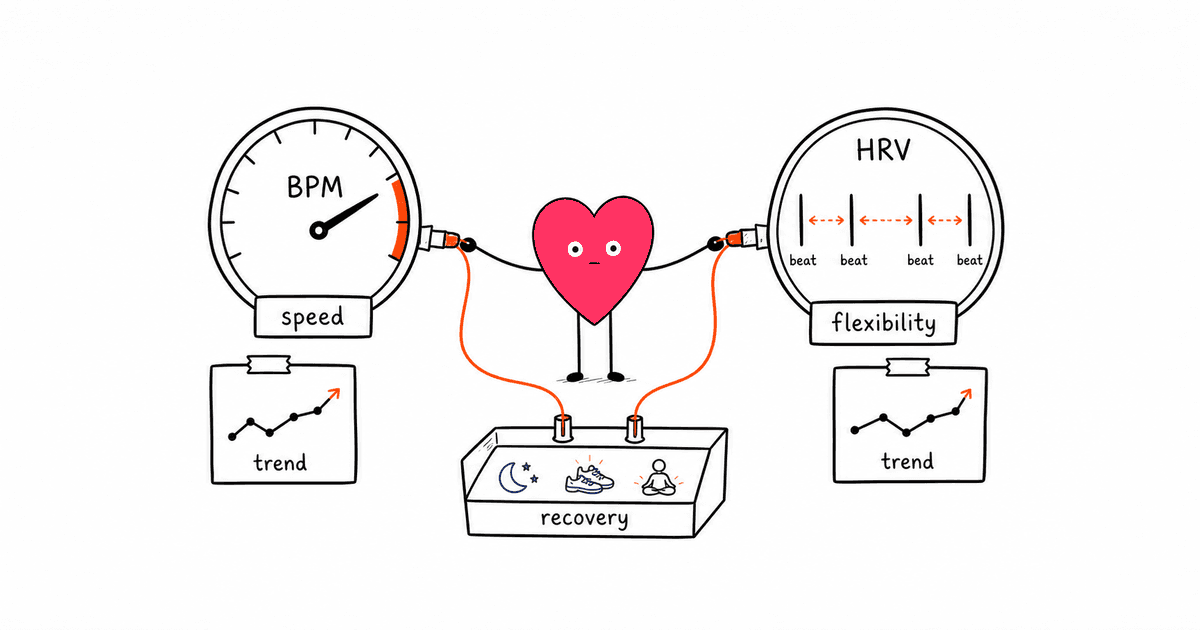
Resting heart rate and HRV are related, but they are not interchangeable. Here is how to use both without misreading your wearable data.
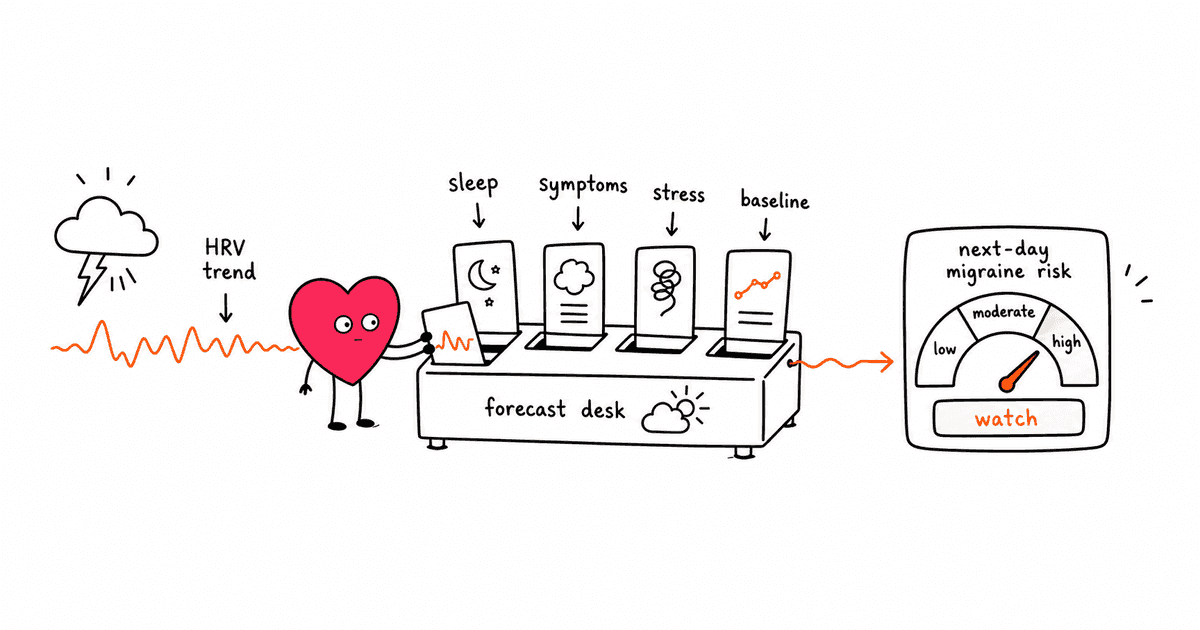
Migraines change autonomic activity in measurable ways. HRV will not diagnose migraine, but it can help you spot patterns around triggers, recovery, and attack risk.
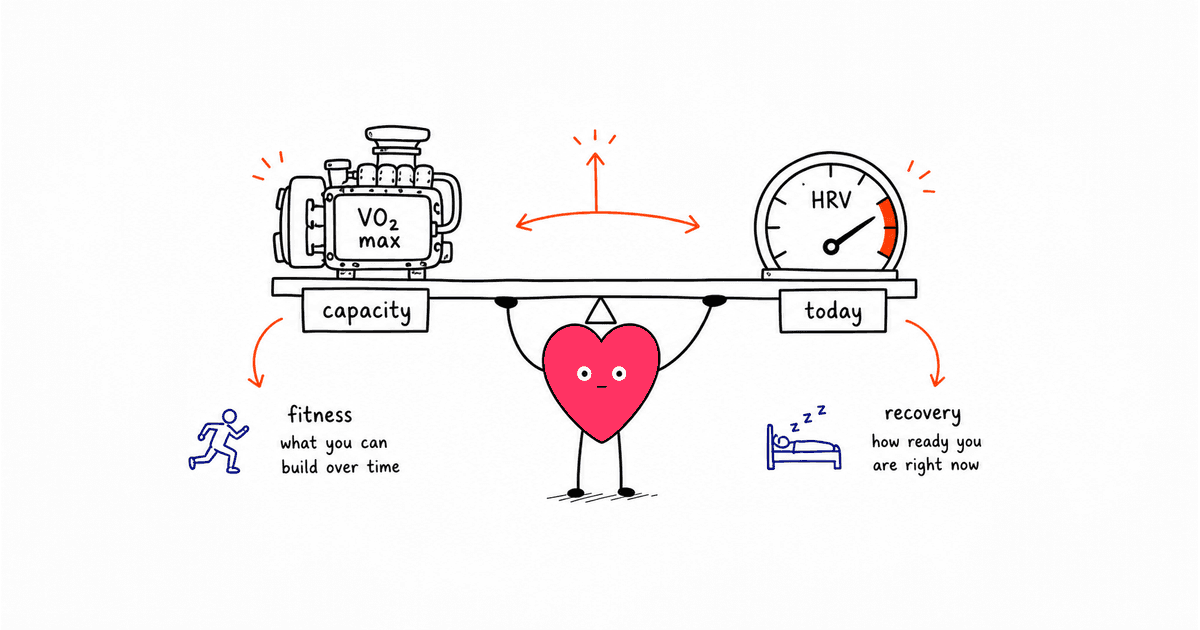
VO2 max and HRV are both useful, but they answer different questions. Here is how to use each metric without confusing fitness with recovery.
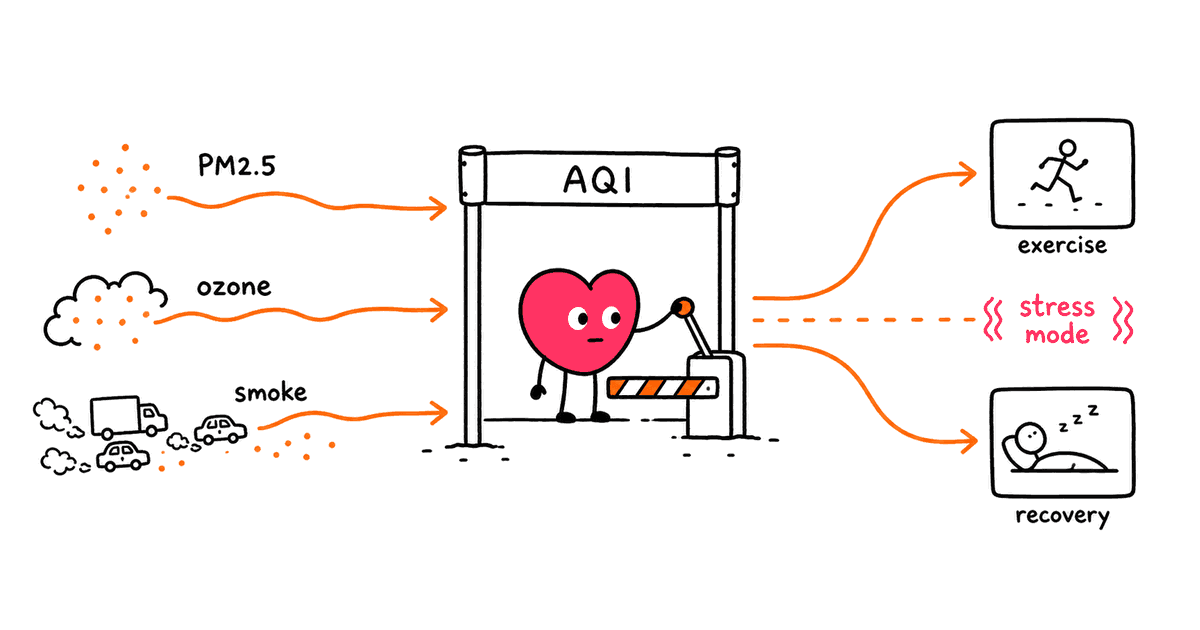
Poor air quality does more than irritate your lungs. It can push your nervous system toward stress mode and drag down HRV, especially during wildfire smoke, traffic exposure, and hot ozone days.
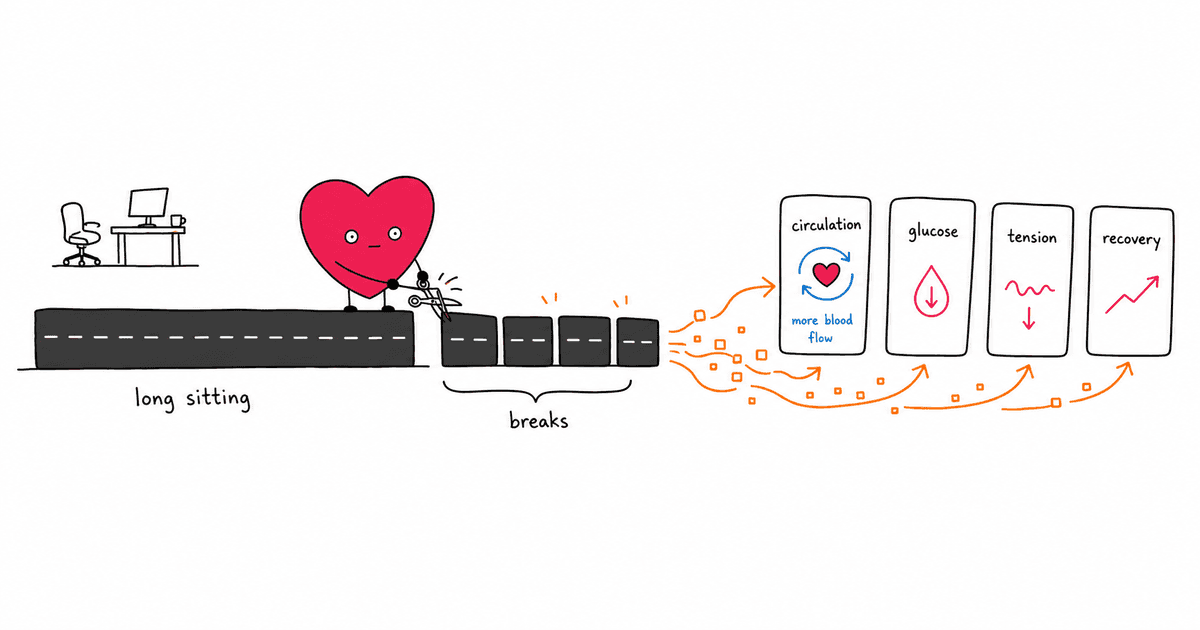
Too much uninterrupted sitting can work against your HRV, even if you exercise. Here is what research says and how to build a more HRV-friendly workday.
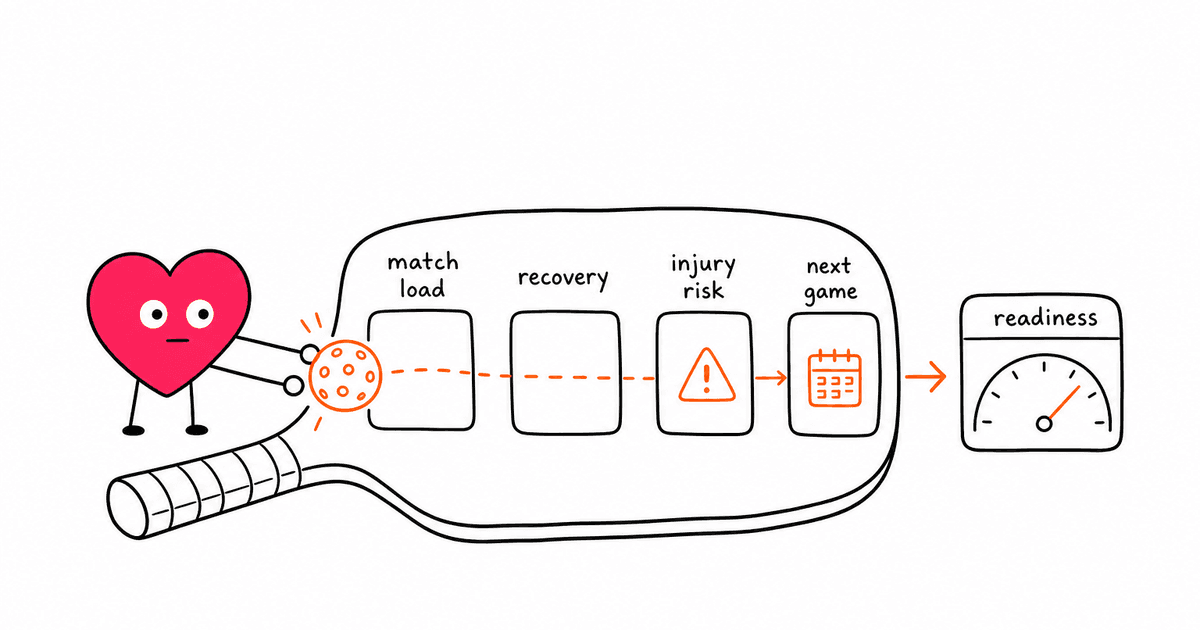
Pickleball can be a legitimate cardiovascular workout, but frequent play can also pile up fatigue. Here is how to use HRV to recover smarter and stay on the court longer.
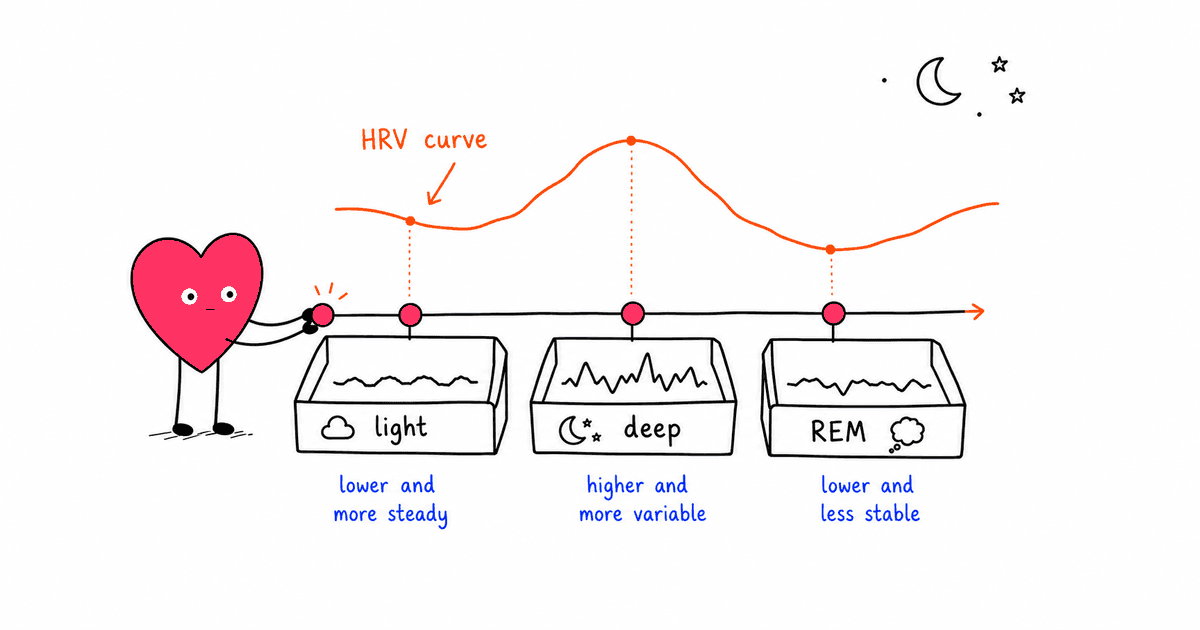
Your HRV tells a different story during each sleep stage. Here's how to decode REM, deep, and light sleep patterns from your wearable data.
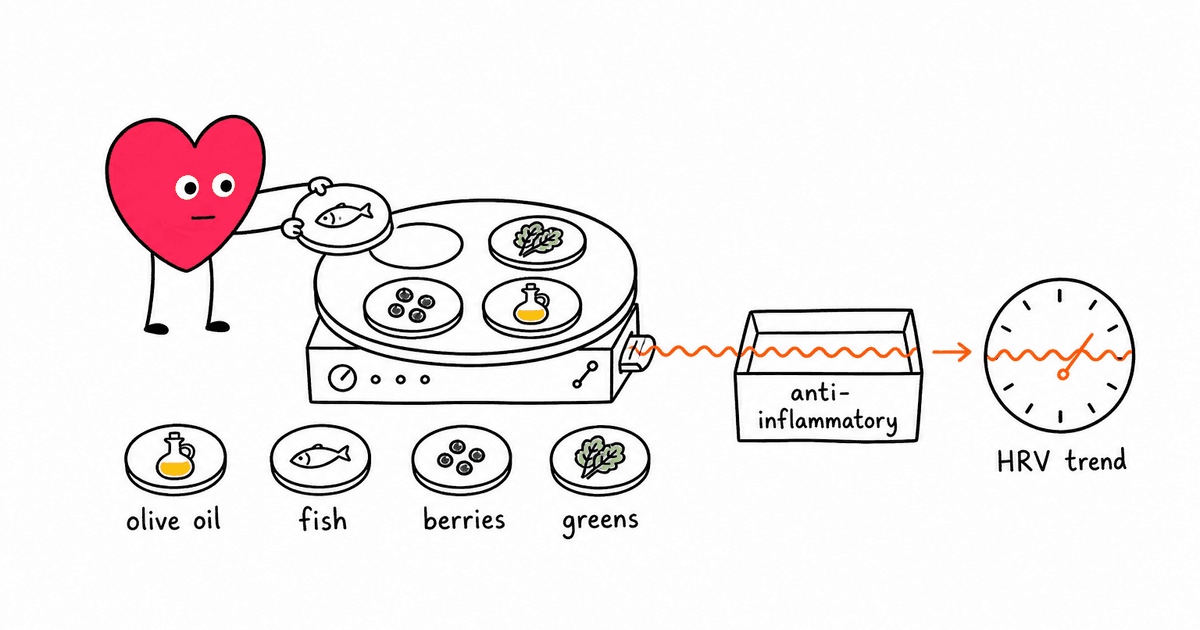
The Mediterranean diet does more than protect your heart. Research shows it significantly improves HRV by reducing inflammation and supporting vagal tone.
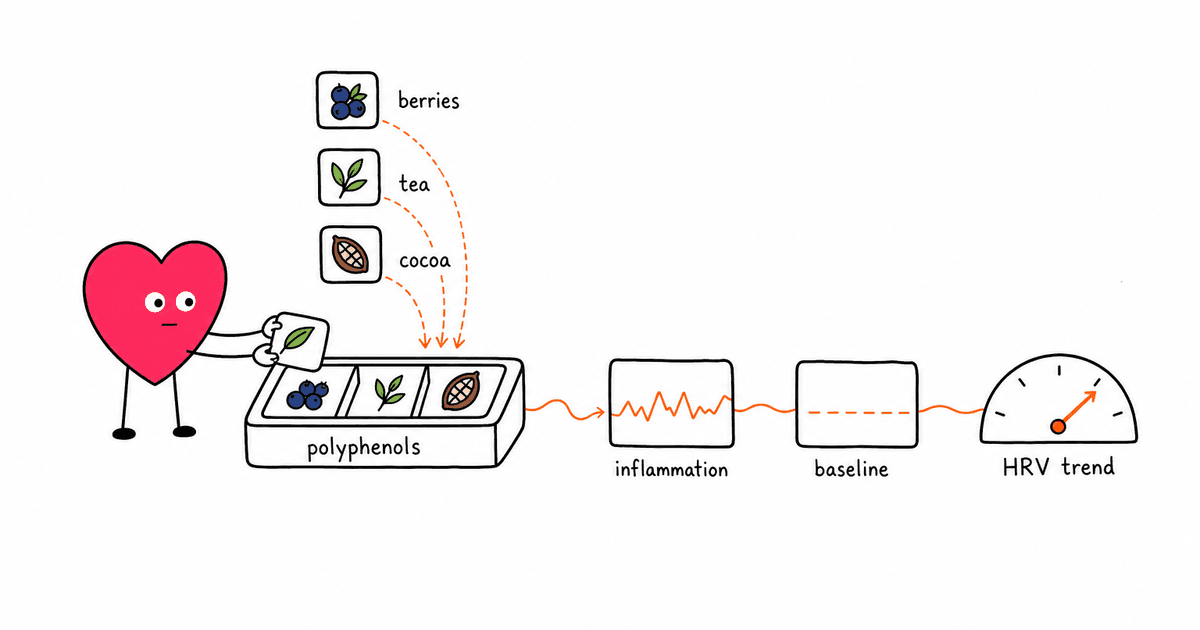
Polyphenols are plant compounds found in everyday foods like berries, green tea, and dark chocolate. Growing research suggests they can improve your HRV by reducing inflammation, supporting vagus nerve function, and protecting cardiovascular health.
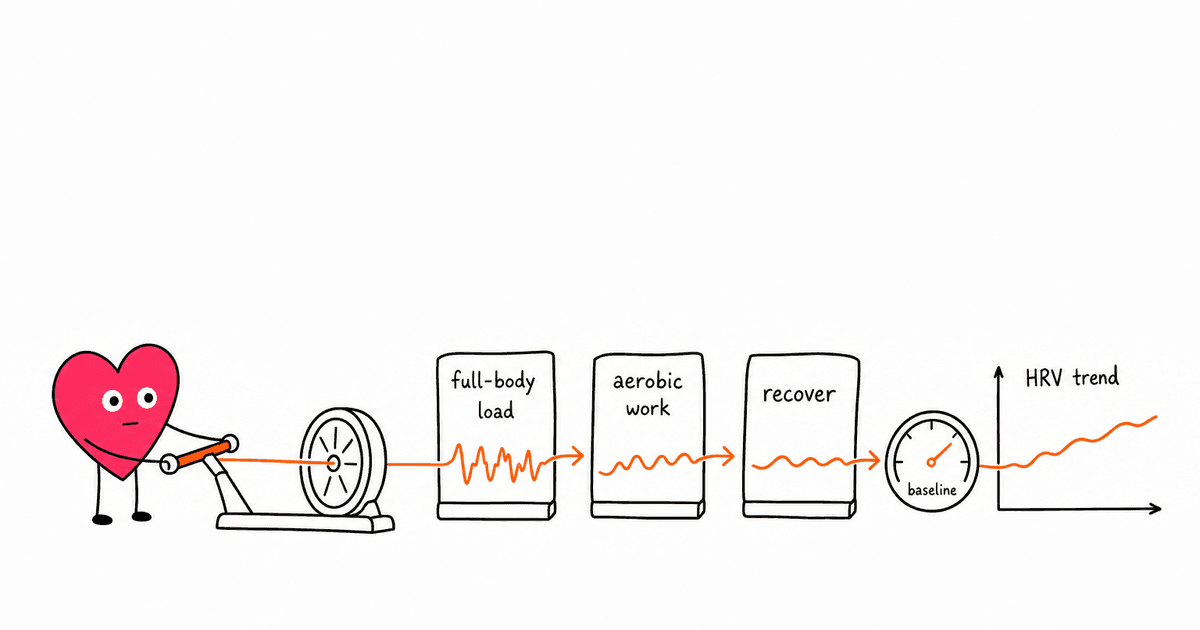
Rowing engages 86% of your muscles while building serious cardiovascular fitness. Here's what the research says about rowing and your autonomic nervous system.
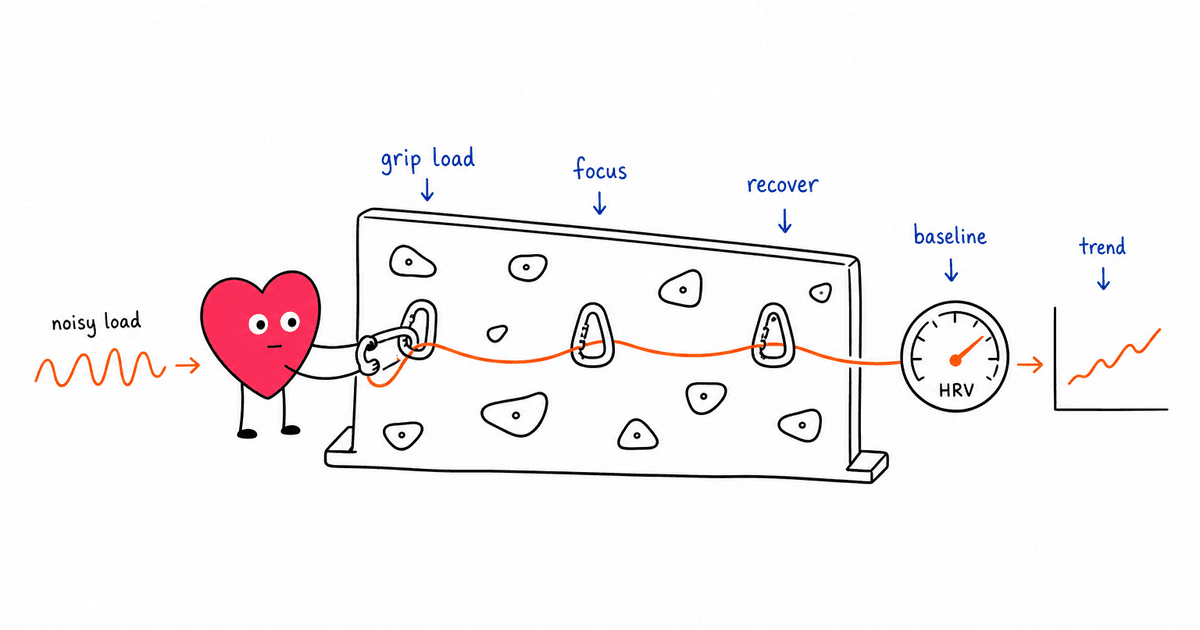
Rock climbing offers a unique combination of physical challenge and mental focus that can significantly impact your HRV. Here's what science says about climbing and autonomic function.
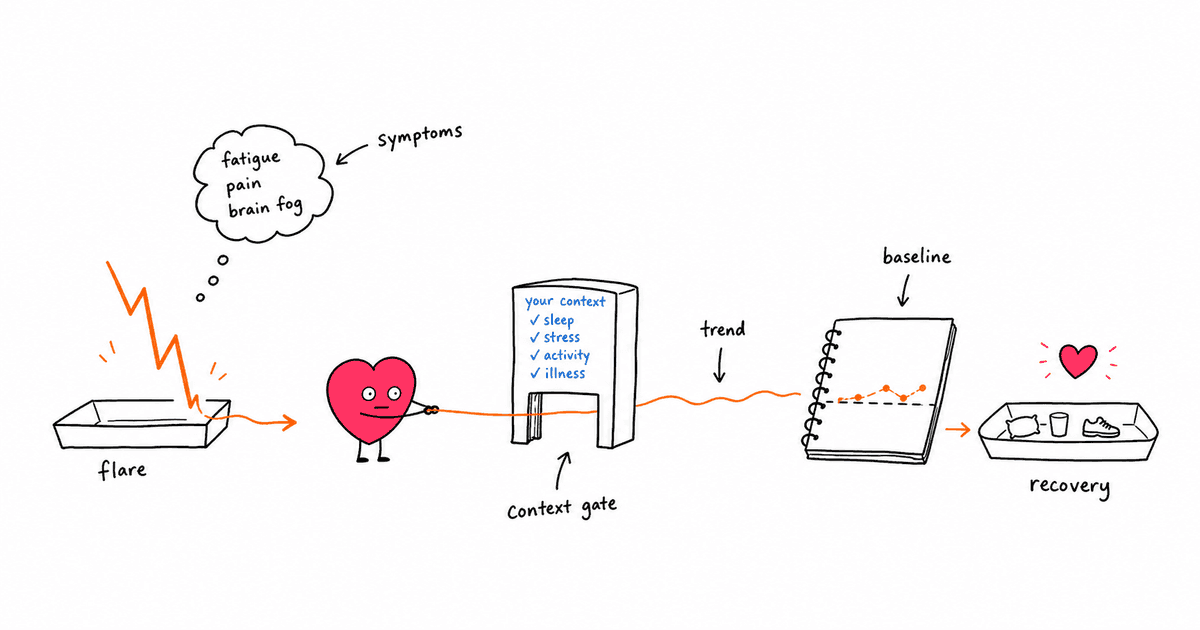
Autoimmune diseases disrupt autonomic nervous system balance, and HRV can reveal that disruption in real time. Here's what the research shows about tracking autoimmune conditions with heart rate variability.
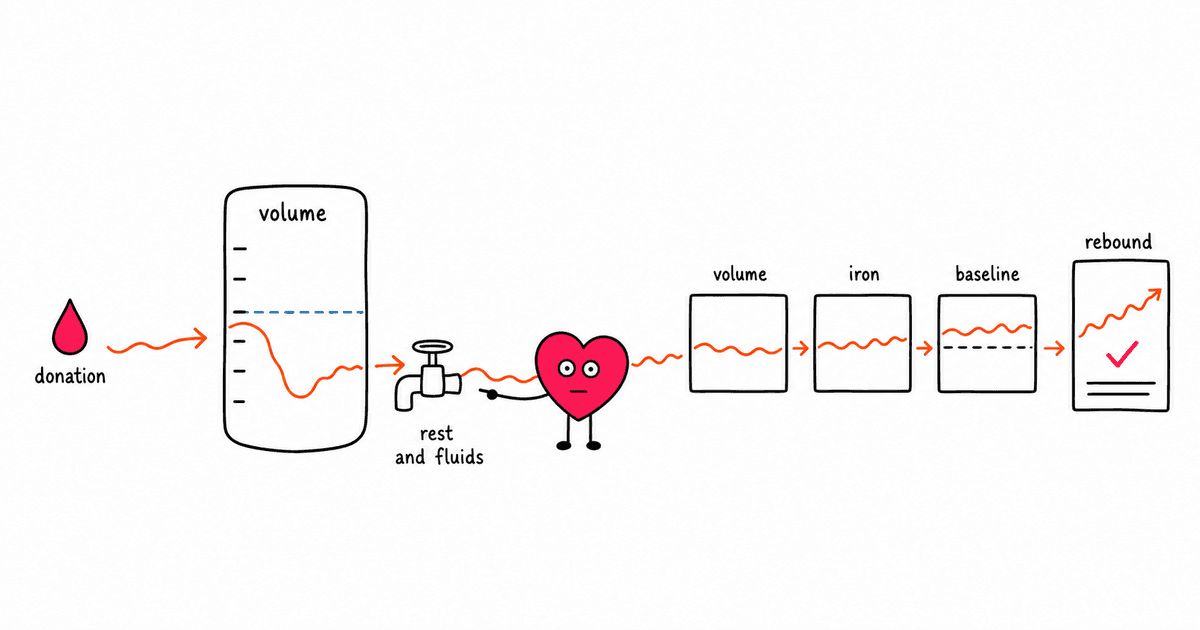
Blood donation triggers measurable changes in your autonomic nervous system. Here's what research shows about HRV shifts after giving blood and how to recover faster.
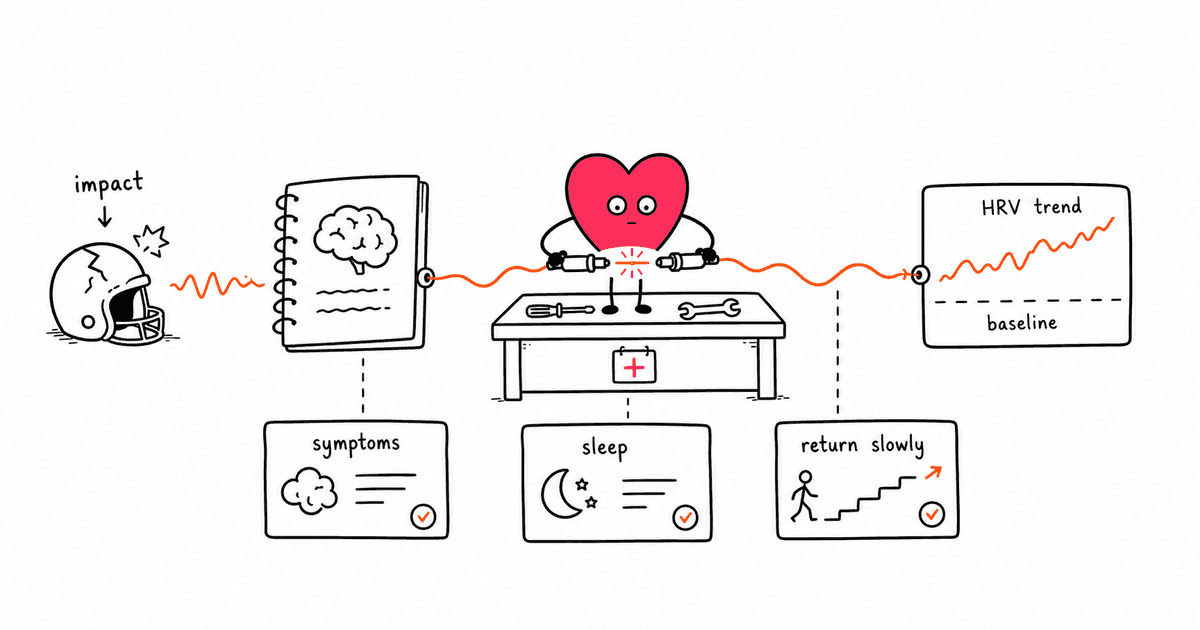
A concussion does more than rattle your brain. It disrupts your autonomic nervous system in ways that HRV can detect, sometimes weeks before symptoms fully resolve.
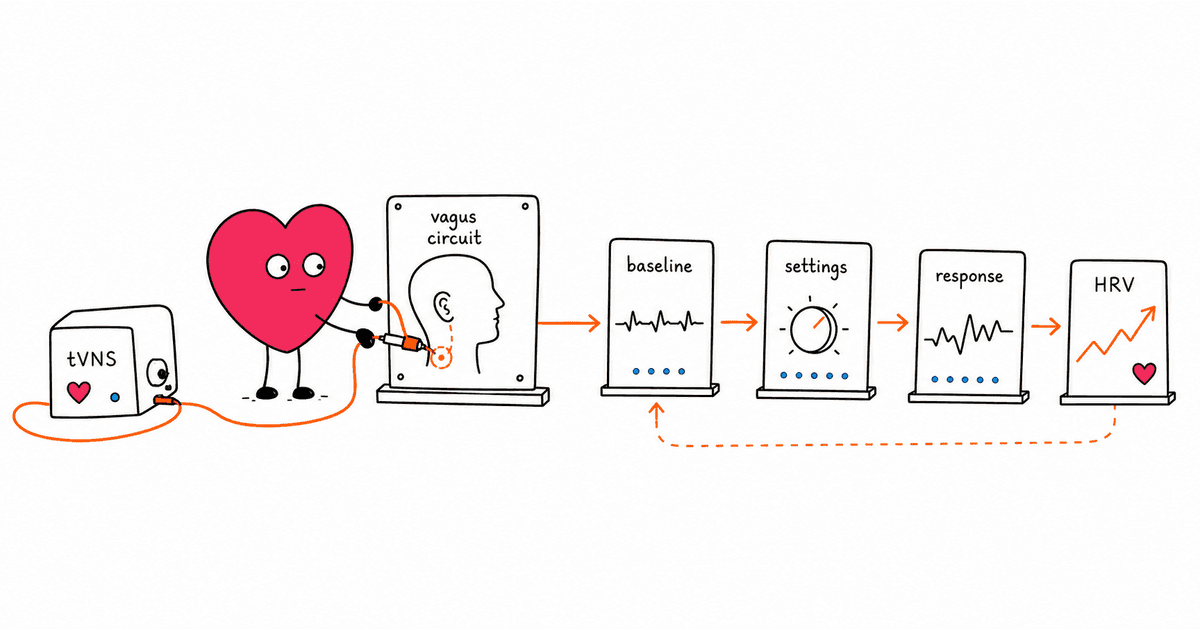
Vagus nerve stimulation devices promise better sleep, less stress, and improved HRV. Here's what the research actually shows and which devices deliver results.
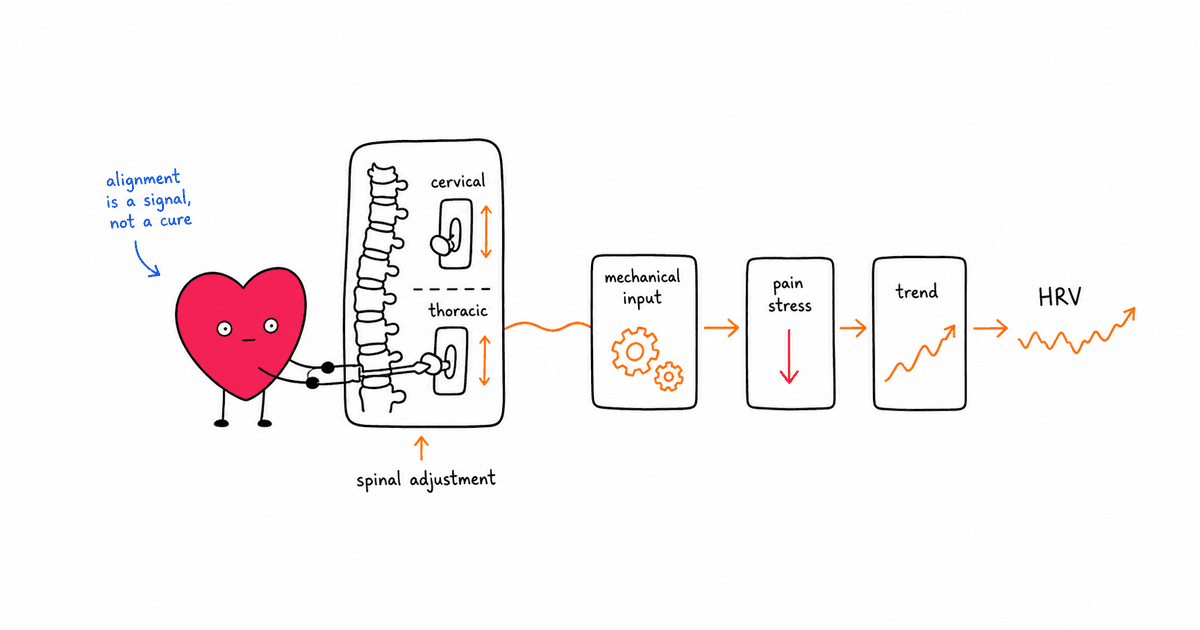
Can a chiropractic adjustment actually shift your autonomic nervous system? Here's what HRV research reveals about spinal manipulation and vagal tone.
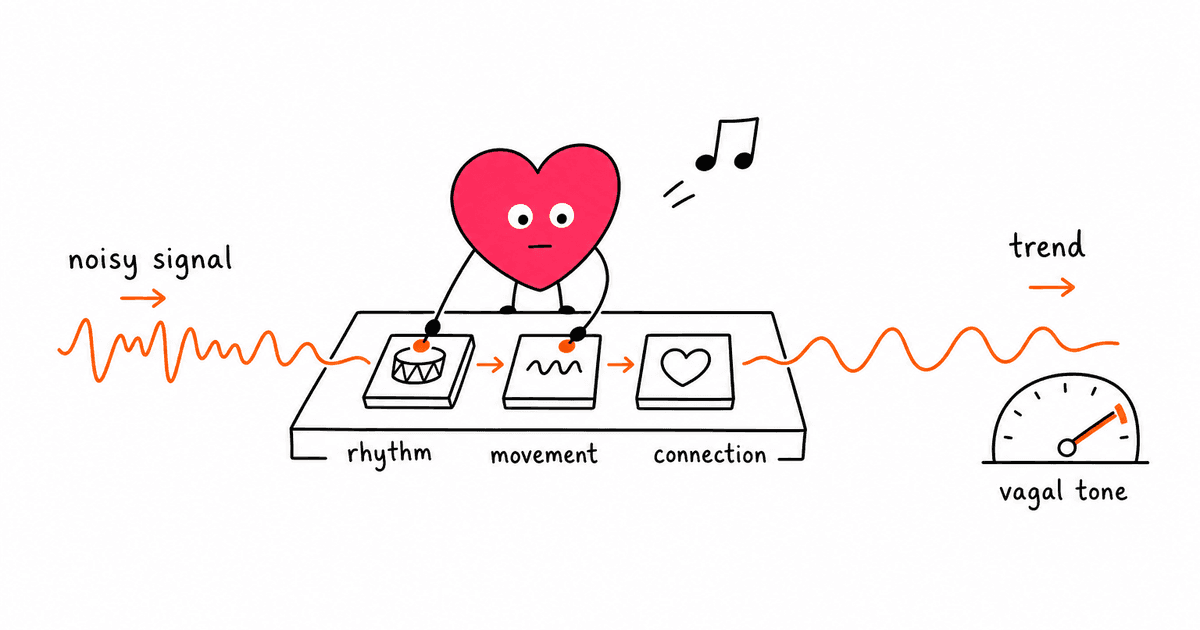
Dancing is one of the most effective and enjoyable ways to improve heart rate variability. Research shows it boosts vagal tone through a unique combination of aerobic exercise, rhythmic breathing, and social connection.
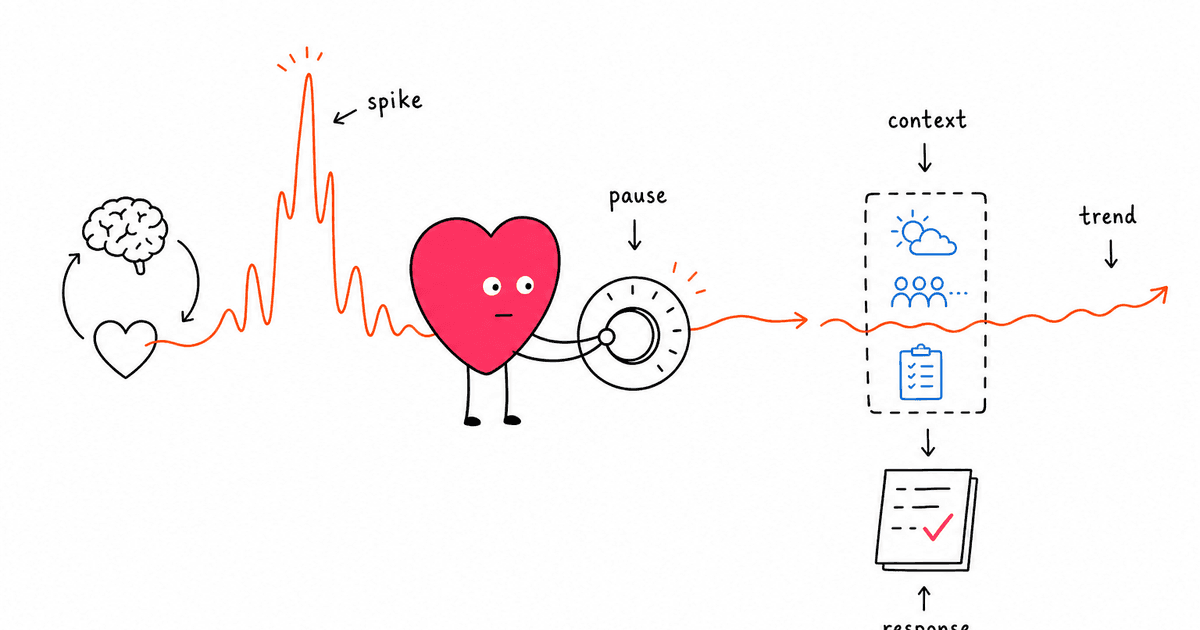
People with higher HRV are consistently better at managing their emotions. Here's why your heart rate variability is a window into your emotional regulation ability, and how to improve both.
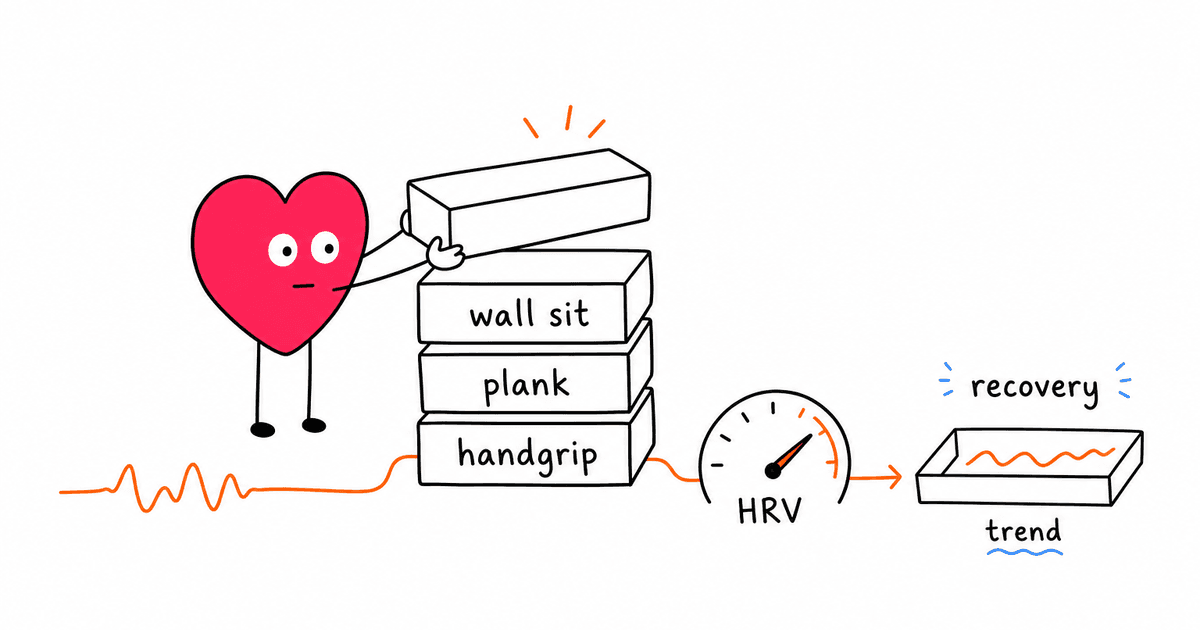
Isometric exercises may be the most time-efficient way to improve your cardiovascular health. Here is what the research says about static holds, blood pressure, and HRV.

Your HRV tracker is supposed to reduce stress, not cause it. Here's how to recognize when monitoring crosses the line and what to do about it.
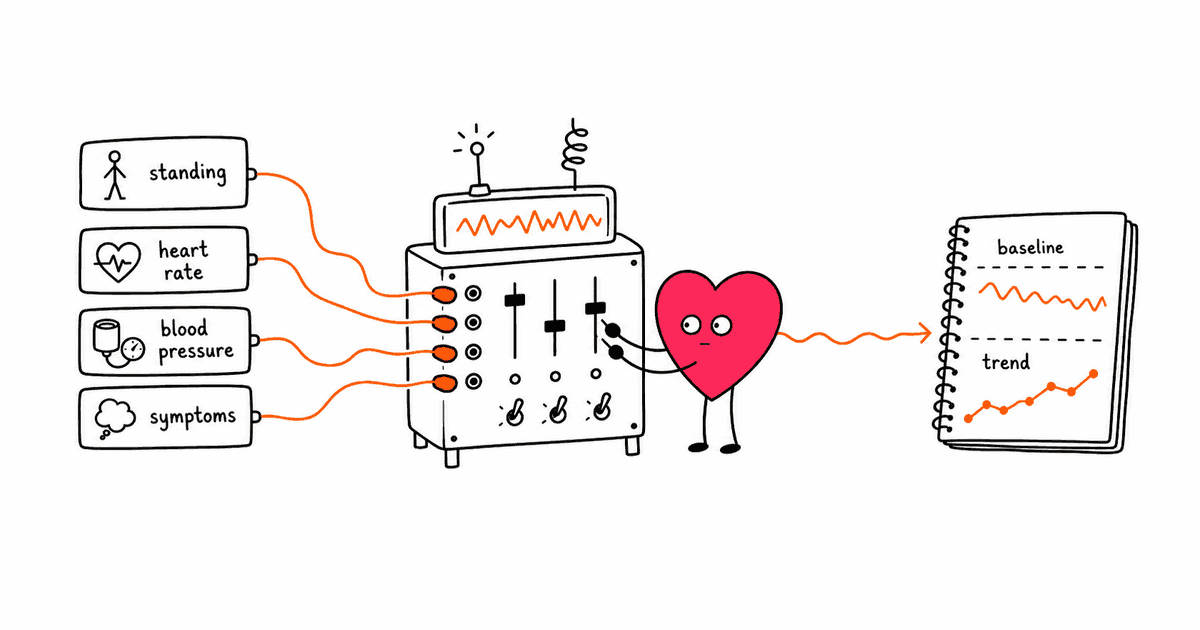
Dysautonomia disrupts the autonomic nervous system's control over heart rate, blood pressure, and digestion. HRV is one of the most accessible tools for identifying and tracking these conditions.
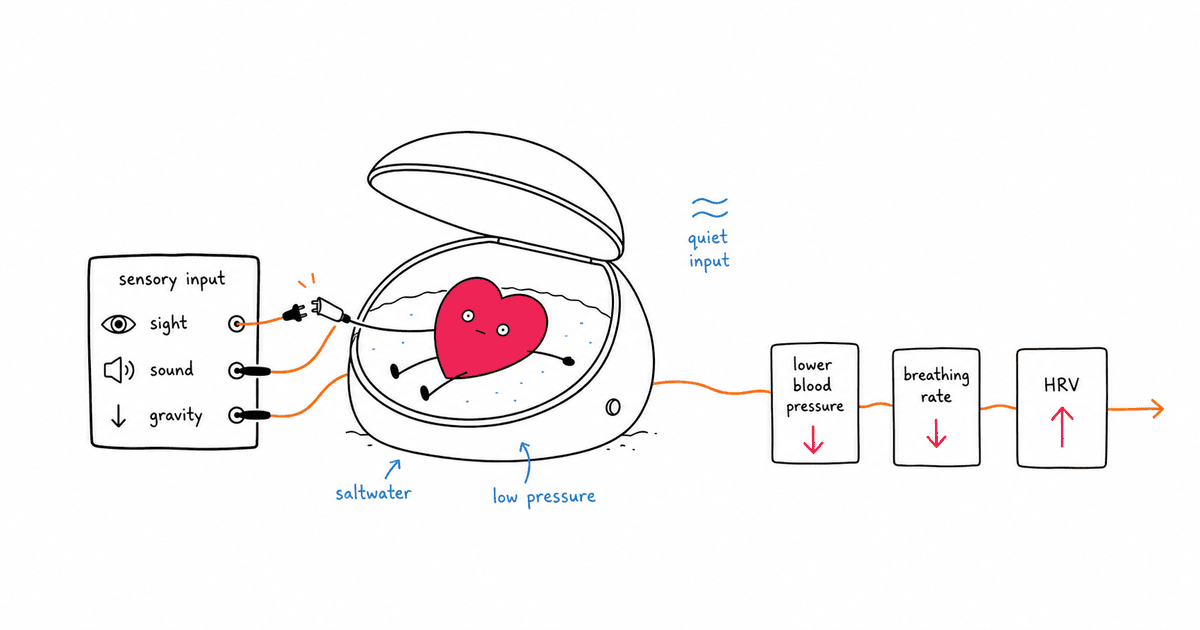
Emerging research reveals that float tanks shift your autonomic nervous system toward parasympathetic dominance, boosting HRV and reducing cardiovascular stress markers.
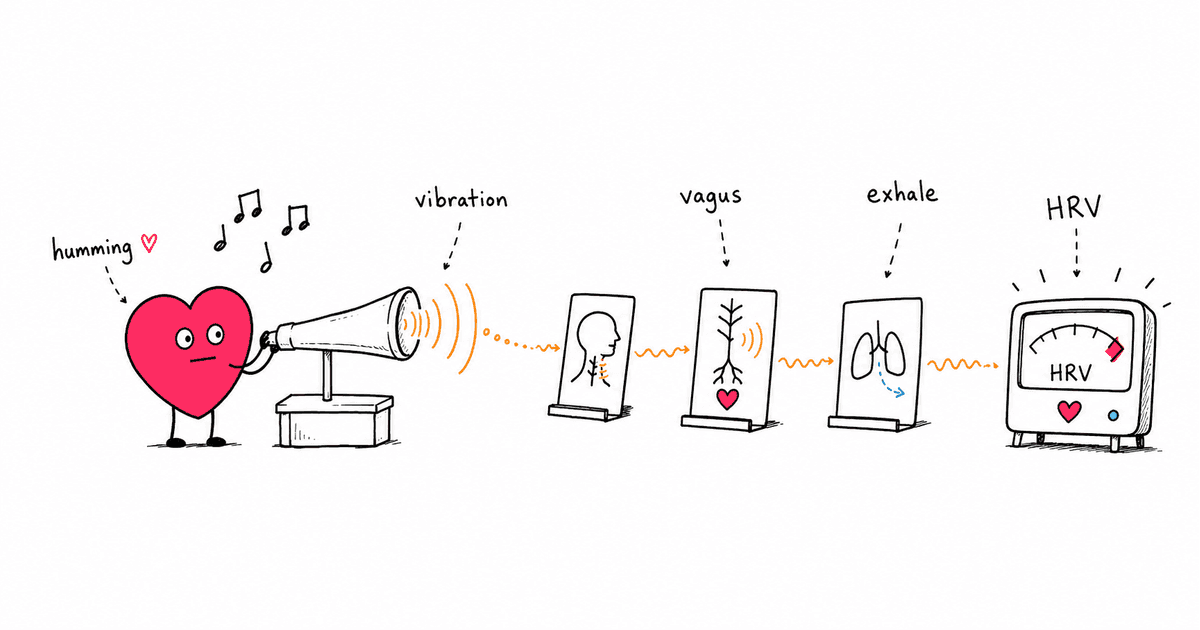
Your voice is a built-in vagus nerve stimulator. Learn how singing, humming, and chanting can measurably improve heart rate variability and autonomic balance.
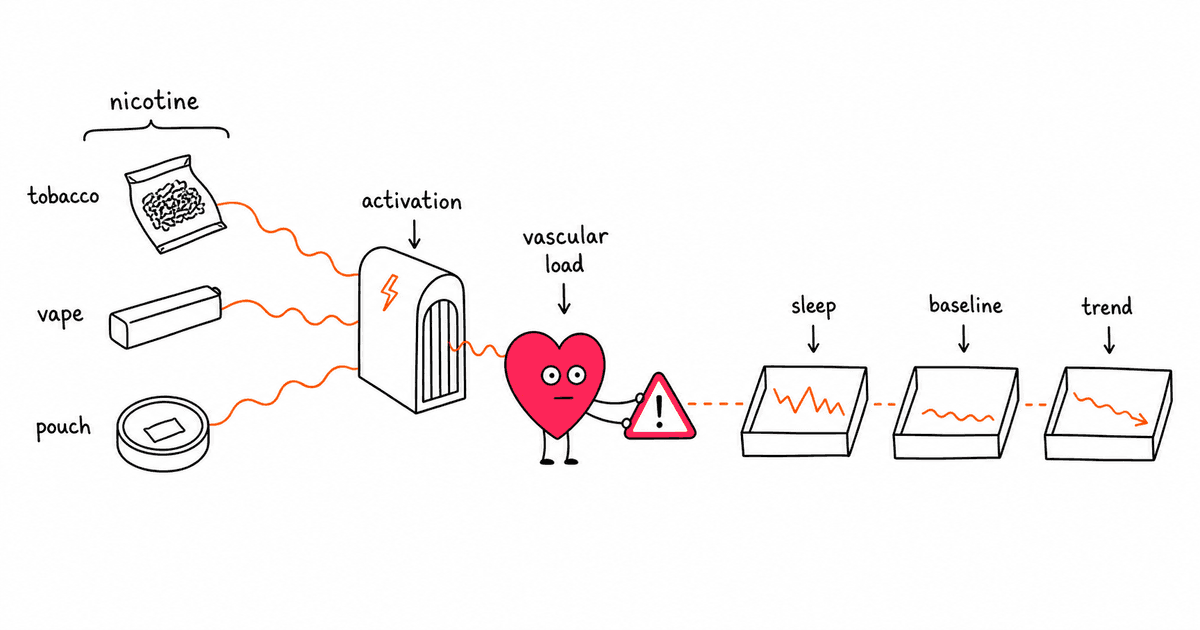
Nicotine in any form, whether from cigarettes, vapes, or pouches, suppresses HRV by shifting your nervous system toward sympathetic dominance. Here's what the research says and how your body recovers when you quit.
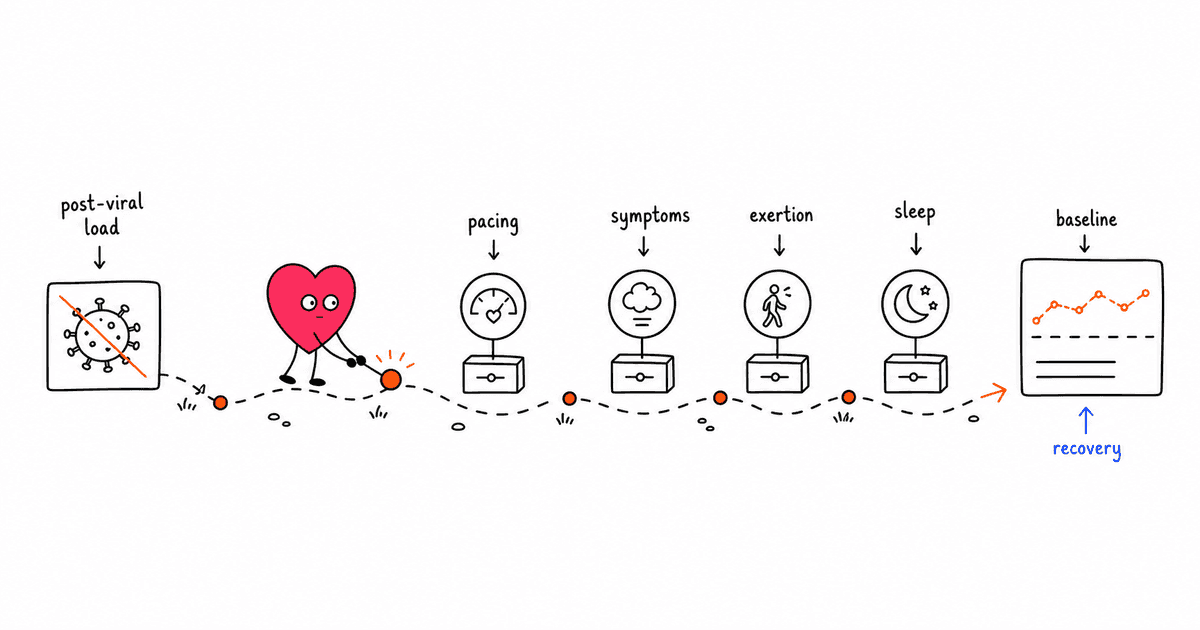
Long COVID can suppress HRV for months. Here's what the science says about autonomic dysfunction, wearable monitoring, and HRV-guided recovery strategies.
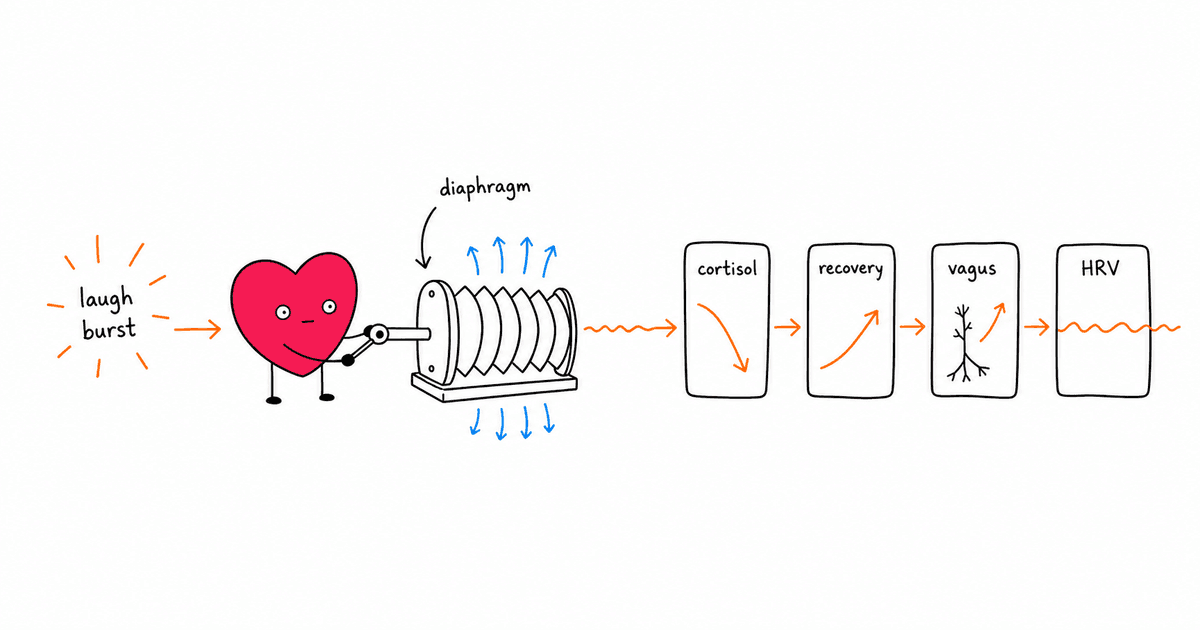
Laughter does more than lift your mood. Research shows it activates the vagus nerve, reduces cortisol, and may improve HRV over time.
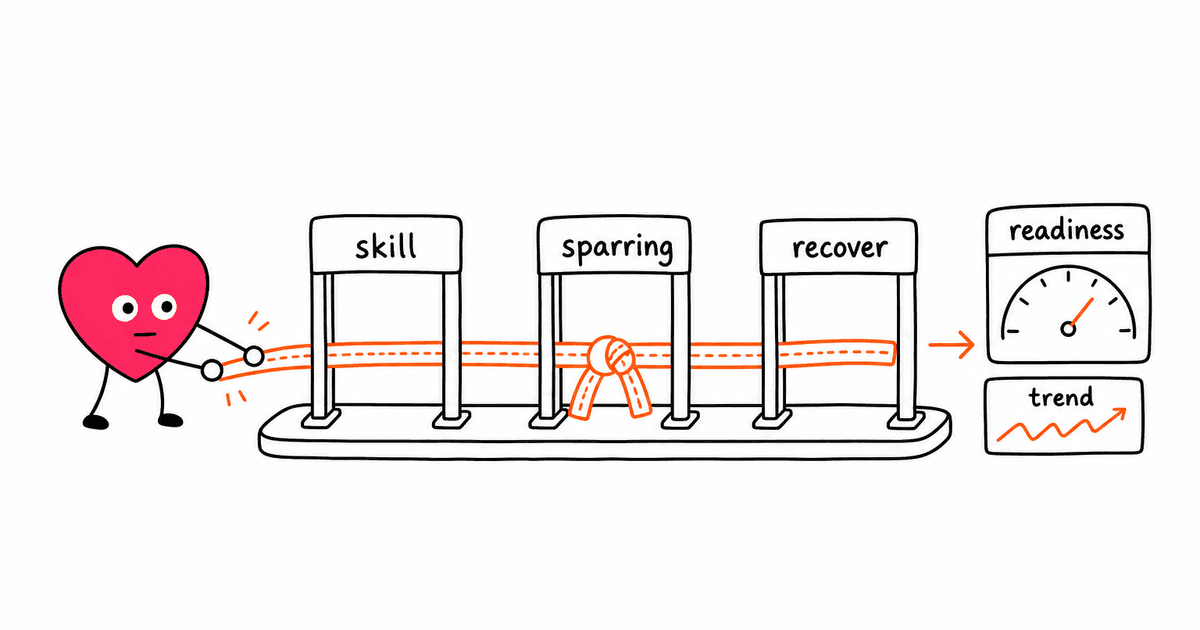
Martial arts place unique demands on the autonomic nervous system that set them apart from other forms of exercise. Learn how combat training affects HRV and how fighters can use it to train smarter.
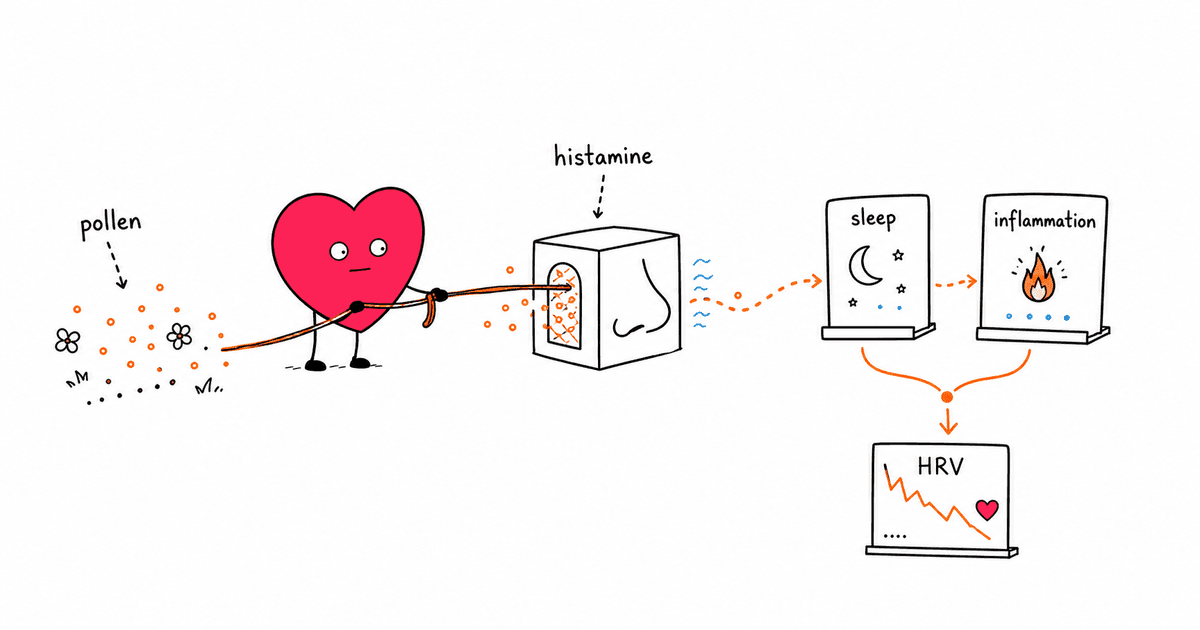
If your HRV drops every spring, allergies may be the hidden cause. Here's how histamine, inflammation, and disrupted sleep tank your numbers and what to do about it.
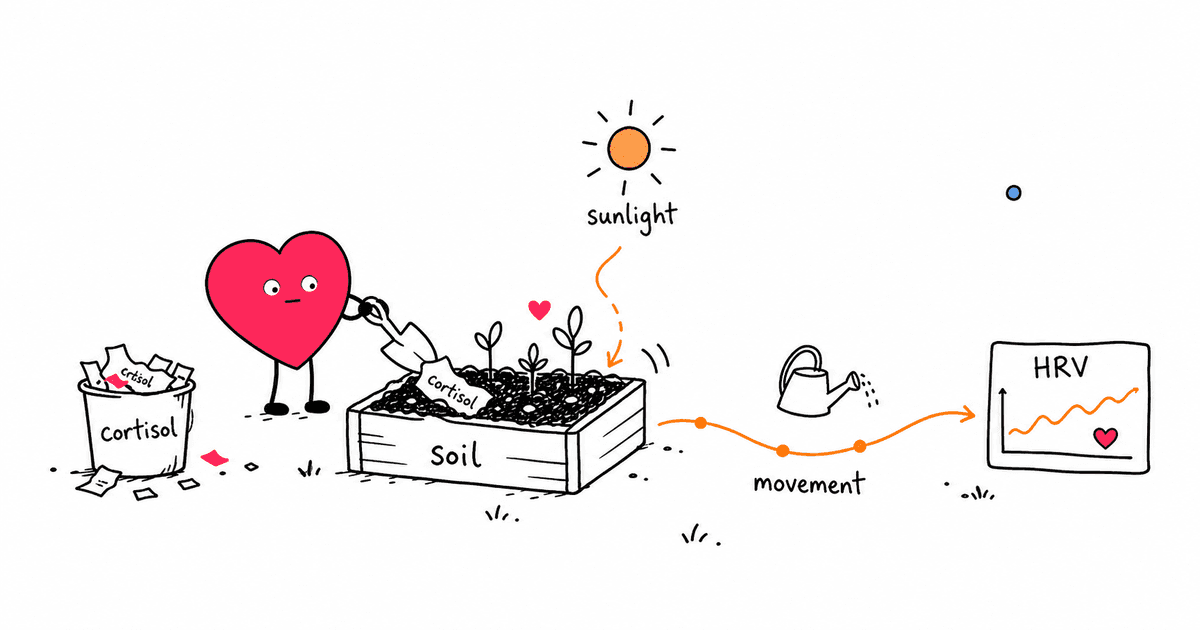
Research shows gardening lowers cortisol, activates the parasympathetic nervous system, and provides the kind of moderate physical activity that improves HRV over time.
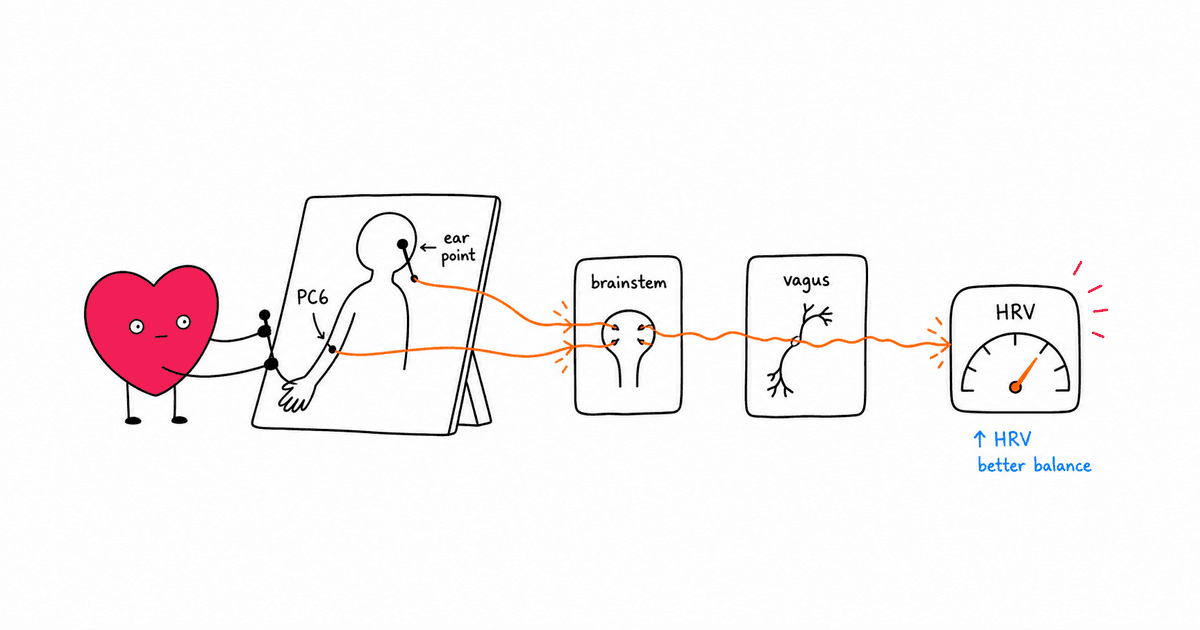
Research shows acupuncture can shift your autonomic nervous system toward parasympathetic dominance and improve HRV. Here's what the science says.
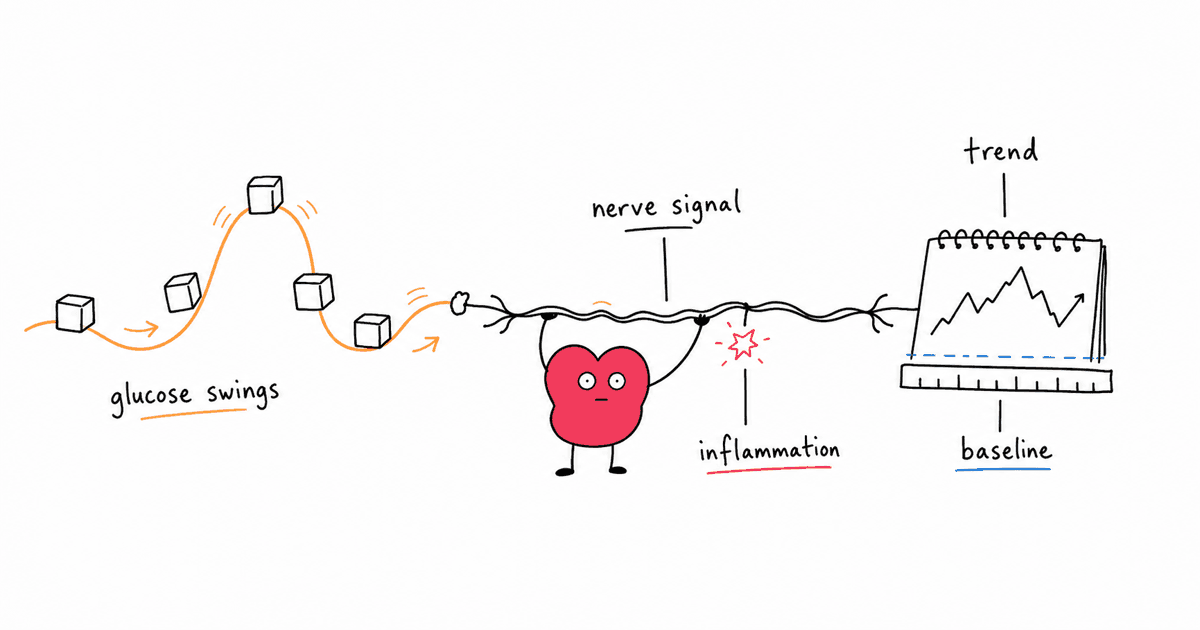
Diabetes damages the autonomic nervous system over time, often silently. HRV monitoring can detect these changes early and guide better management.
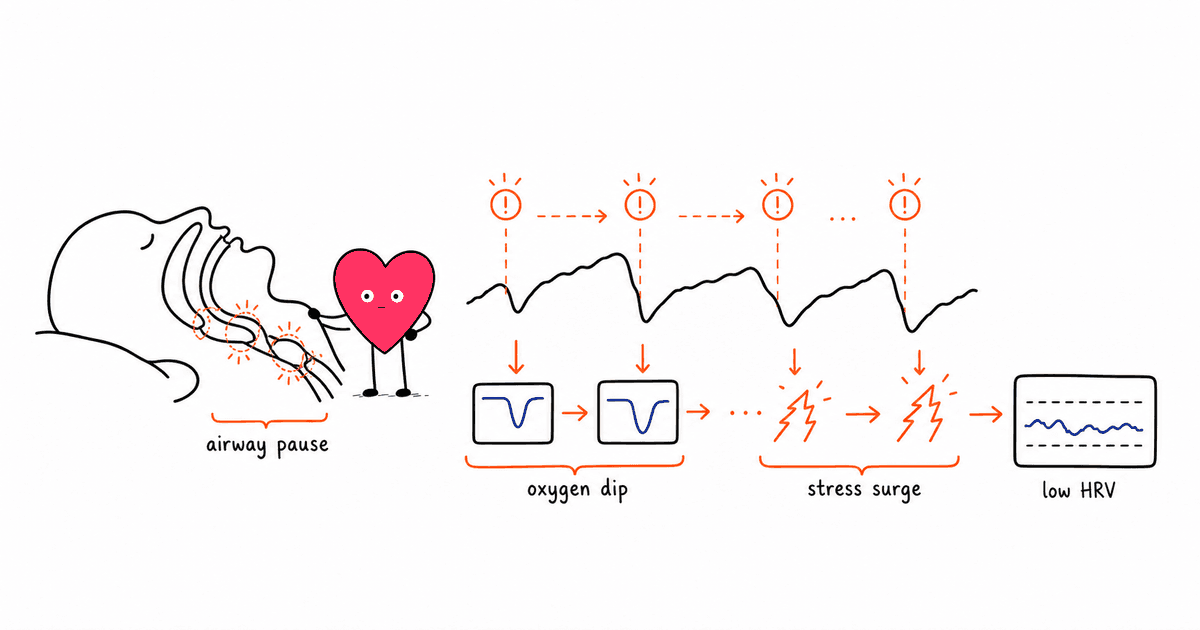
Sleep apnea causes repeated autonomic disruptions that suppress HRV. Here's what the research shows and how treatment can restore nervous system balance.
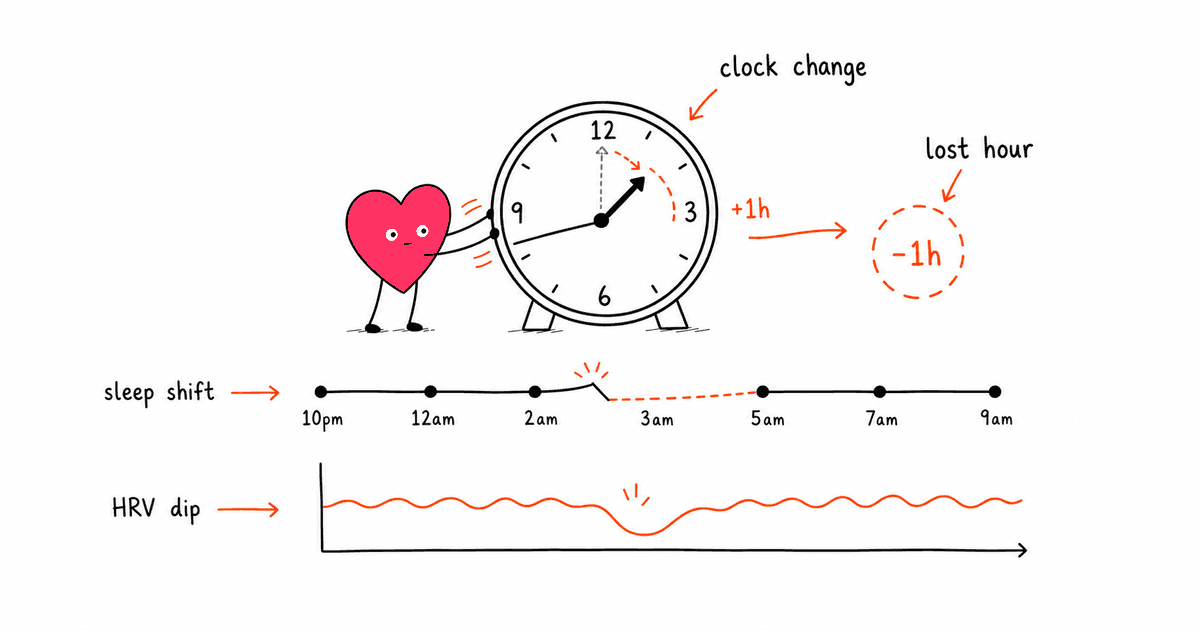
The spring clock change does more than steal an hour of sleep. Here's what happens to your HRV during the DST transition and how to bounce back faster.
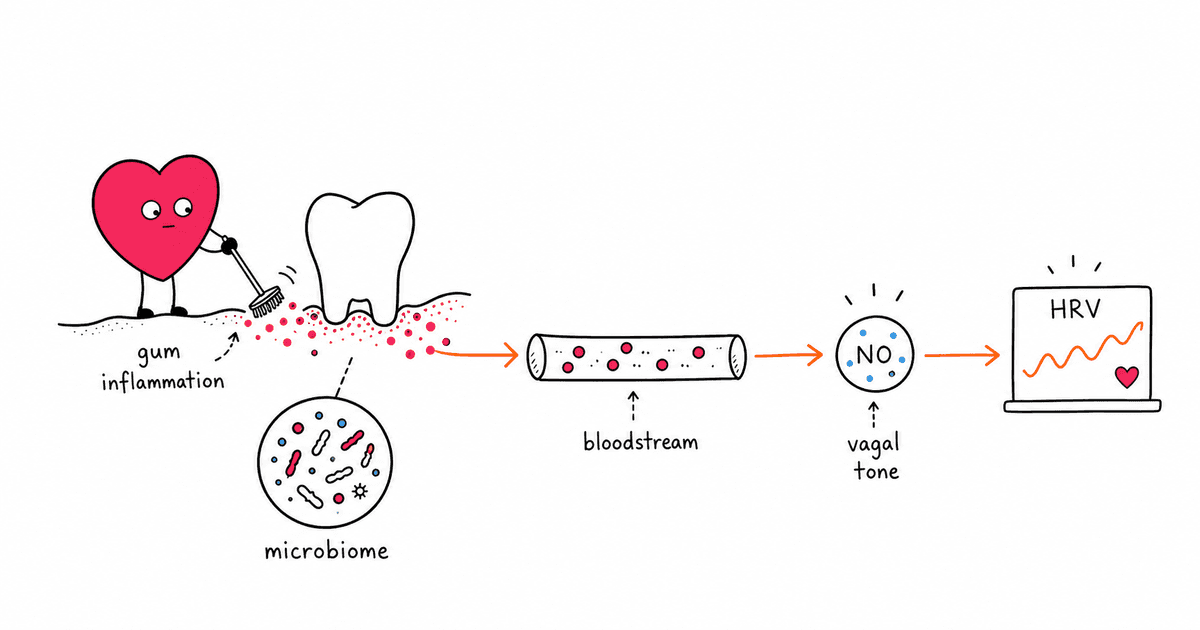
Your oral health may be quietly shaping your HRV. Research reveals that gum disease and poor dental hygiene drive systemic inflammation that disrupts autonomic balance.
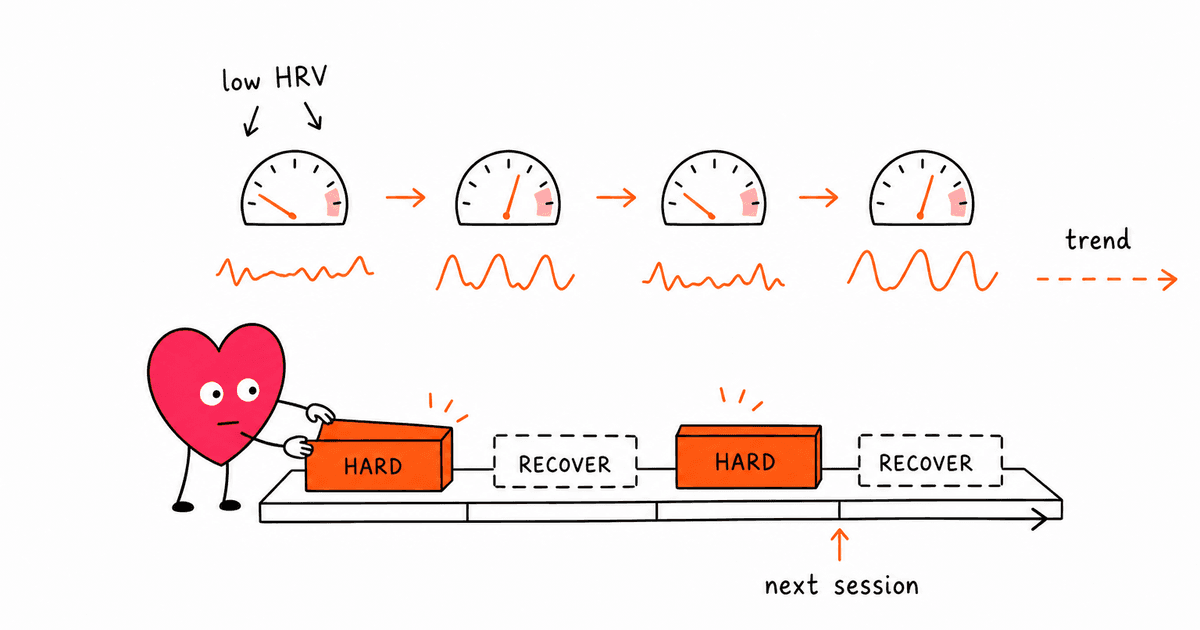
HIIT can boost or tank your HRV depending on how you use it. Here's what the research says about timing, recovery, and HRV-guided programming.
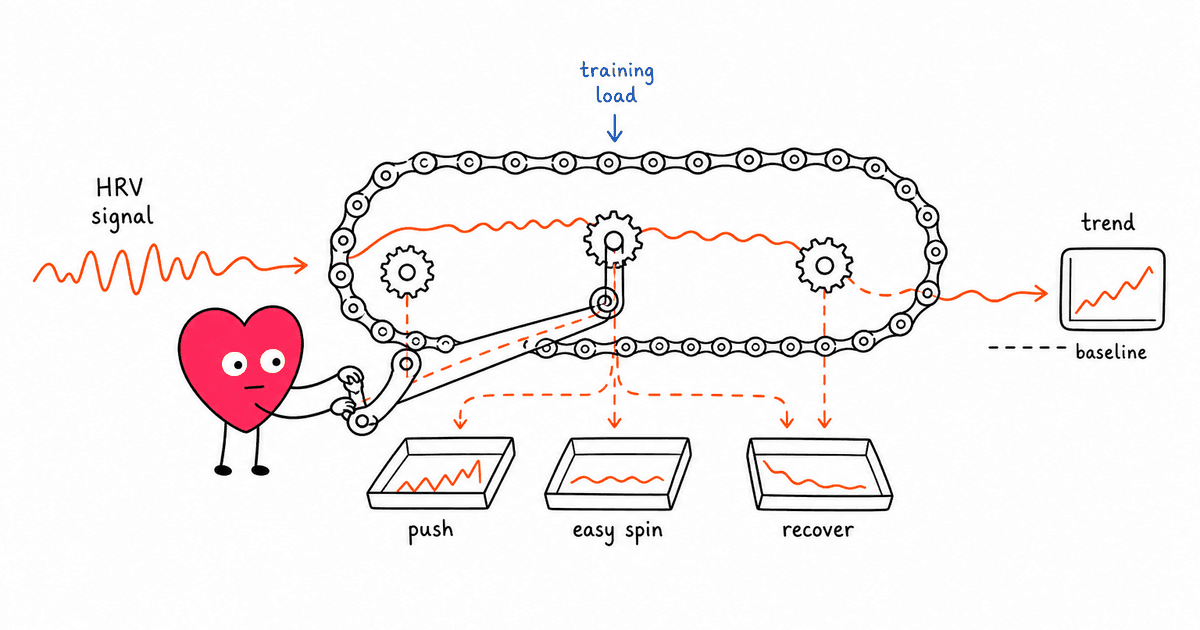
Heart rate variability gives cyclists an edge that power meters alone cannot provide. Learn how to use HRV to time your hard efforts, manage fatigue, and peak for events.
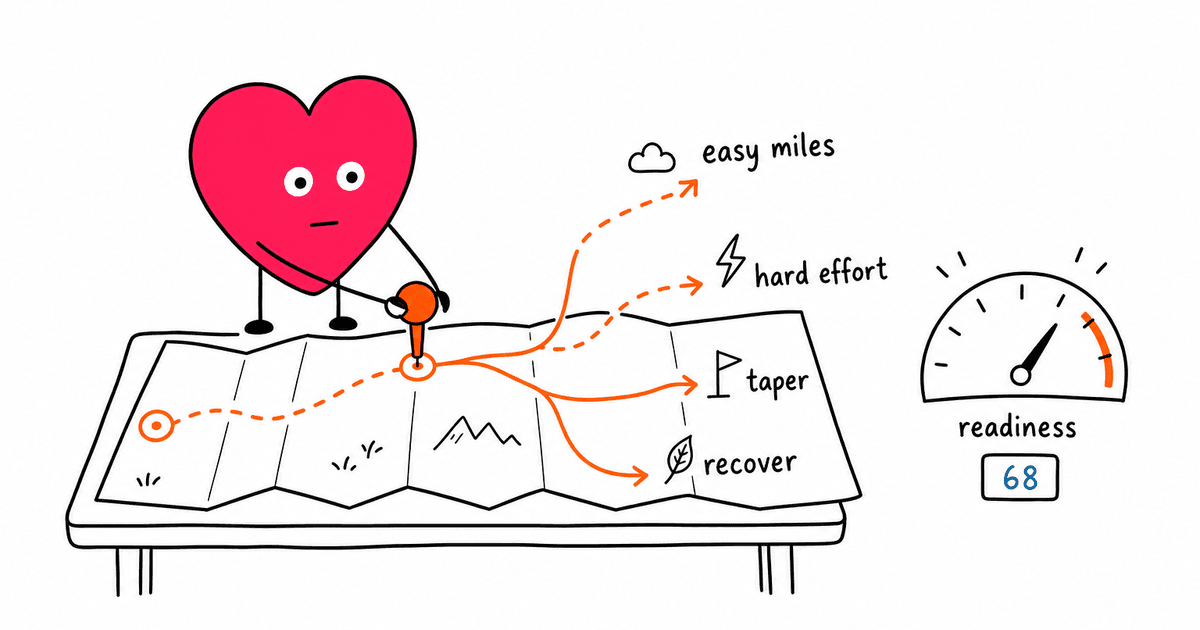
Discover how heart rate variability can transform your running by helping you decide when to push hard, when to recover, and how to peak for race day.
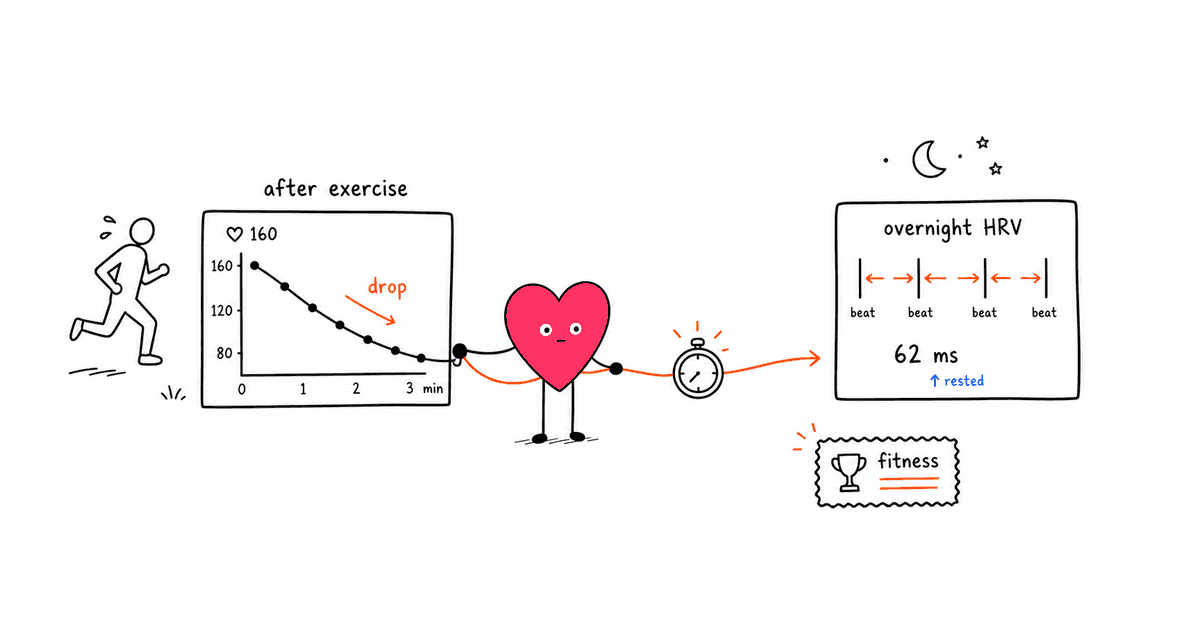
Heart rate recovery and HRV are two sides of the same coin. Here's how to use both metrics to get a complete picture of your cardiovascular fitness.
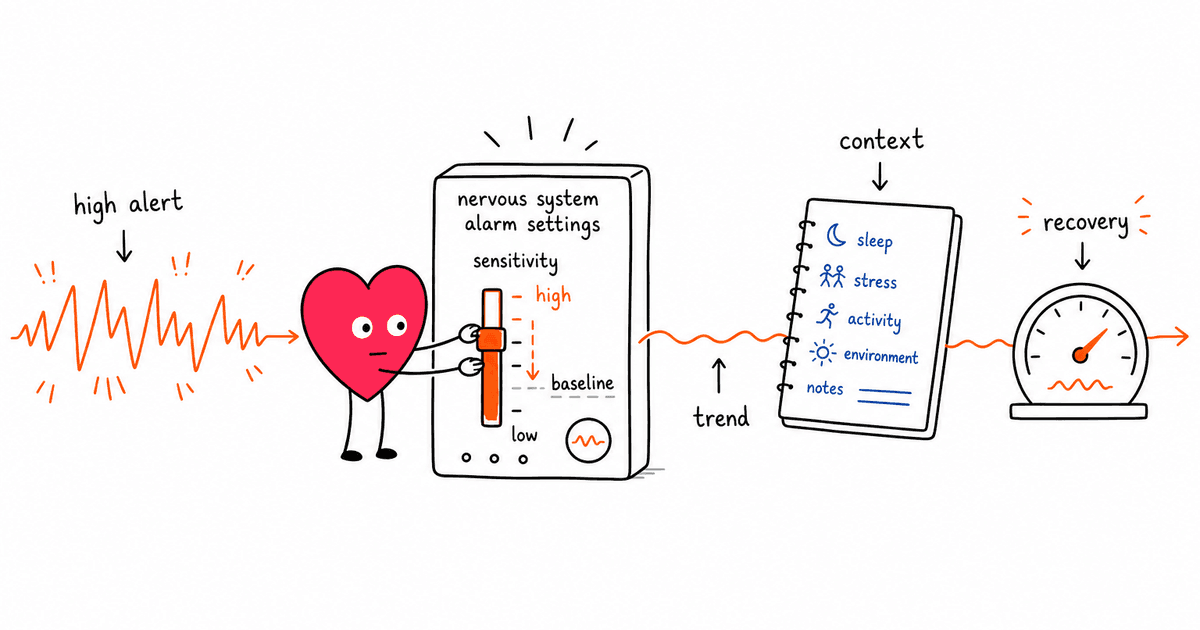
PTSD doesn't just affect your mind. It fundamentally alters your autonomic nervous system, and HRV reveals exactly how. Here's what the research shows.
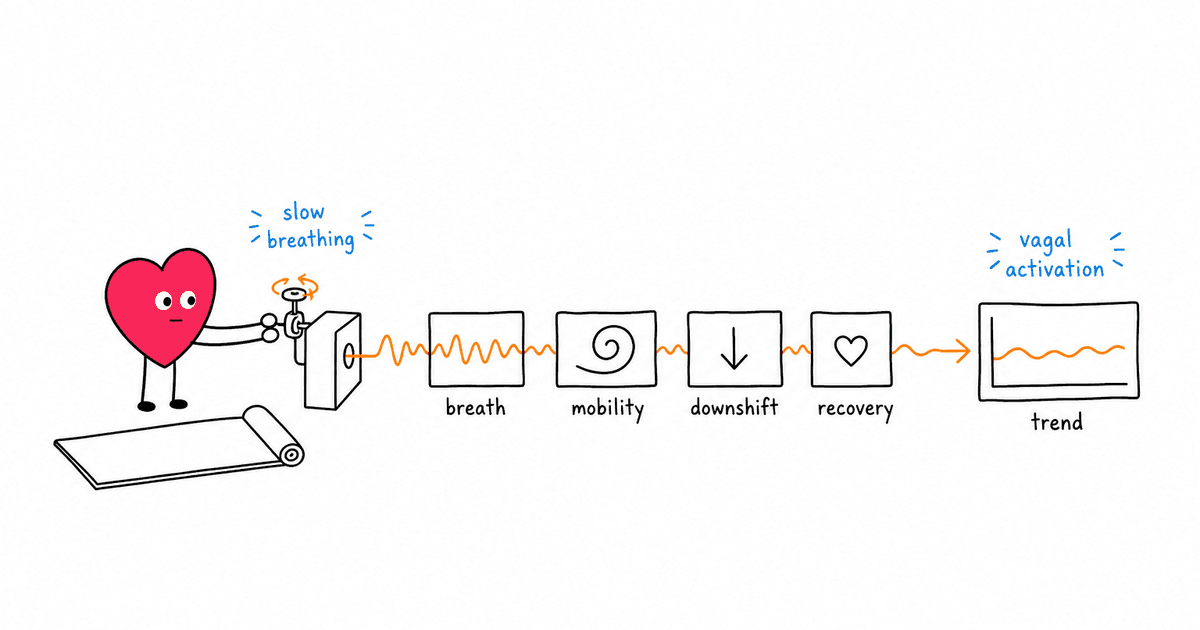
A systematic review of 59 studies found yoga increases vagal tone and parasympathetic dominance. Here's why yoga may be one of the best practices for improving HRV.
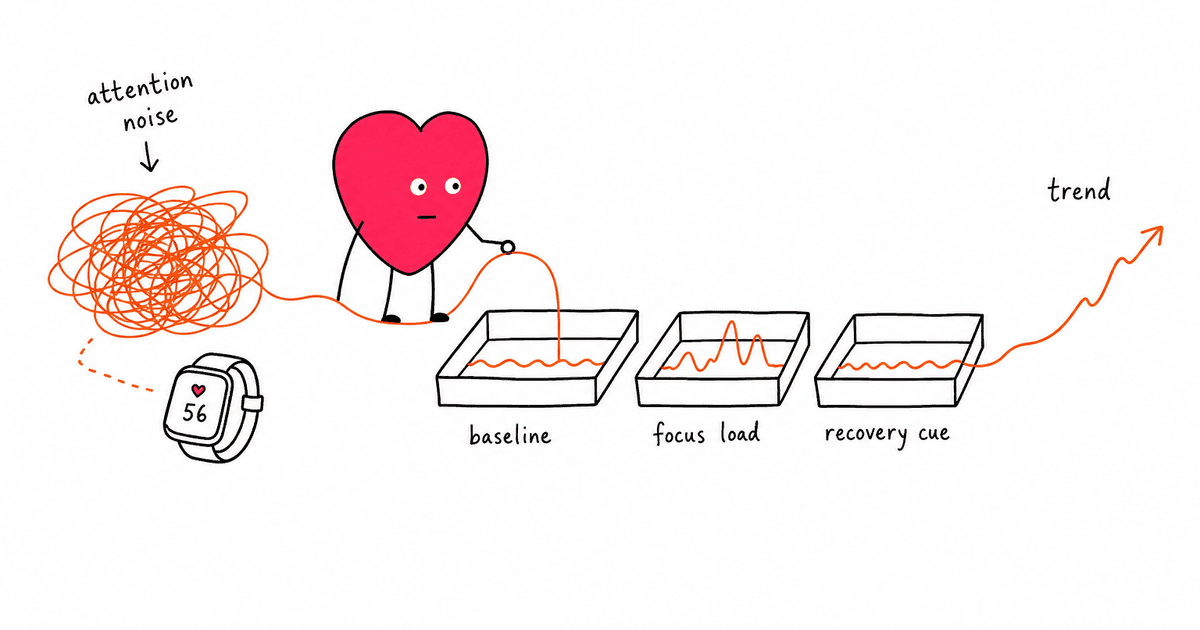
ADHD is associated with measurably lower HRV, reflecting autonomic nervous system dysregulation. Here's what the research says and how HRV tracking may help.
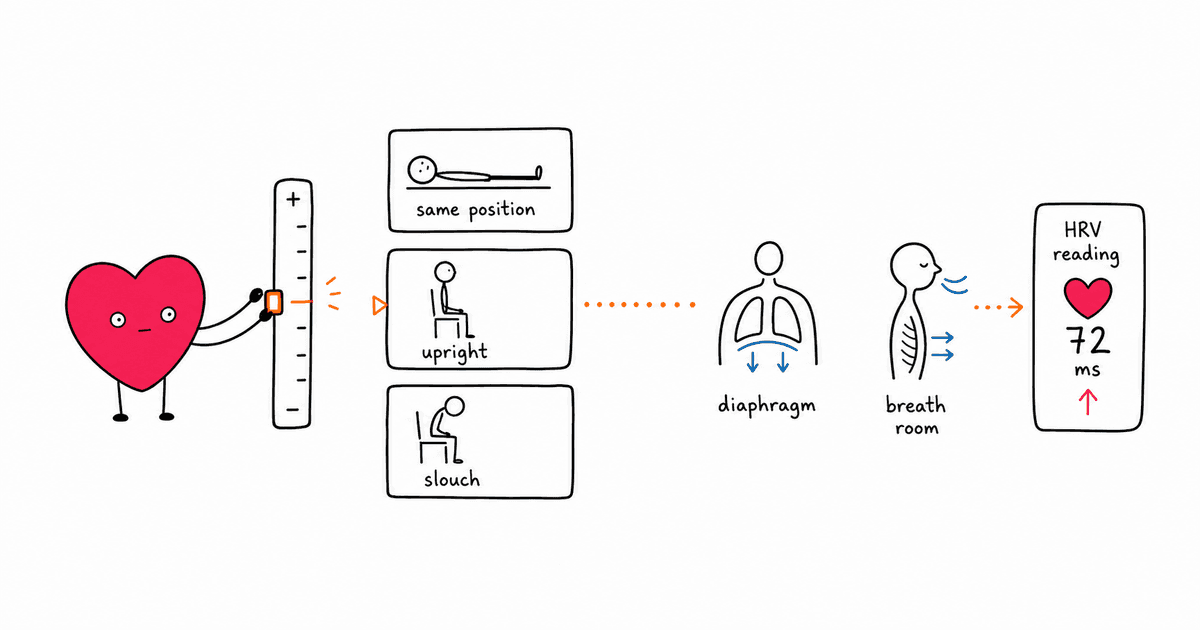
Your posture changes your HRV readings and your actual autonomic health. Here's what research shows about body position, slouching, and heart rate variability.
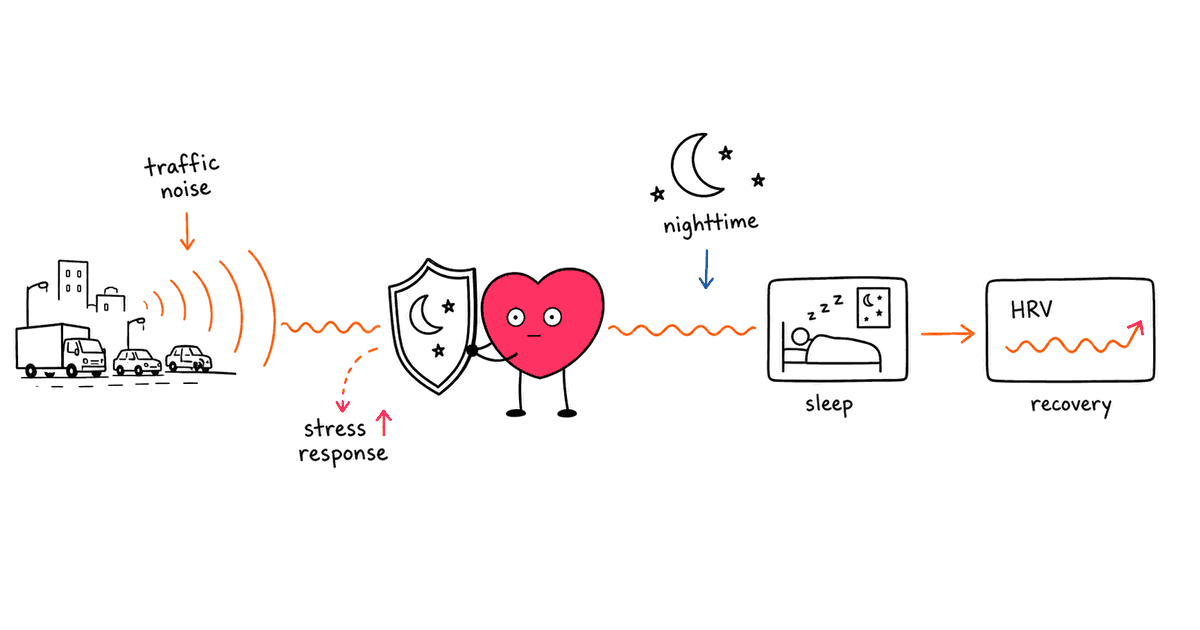
Traffic noise, nighttime sound disruptions, and chronic noise exposure silently lower your HRV. Here's what the research says and how to protect your autonomic health.
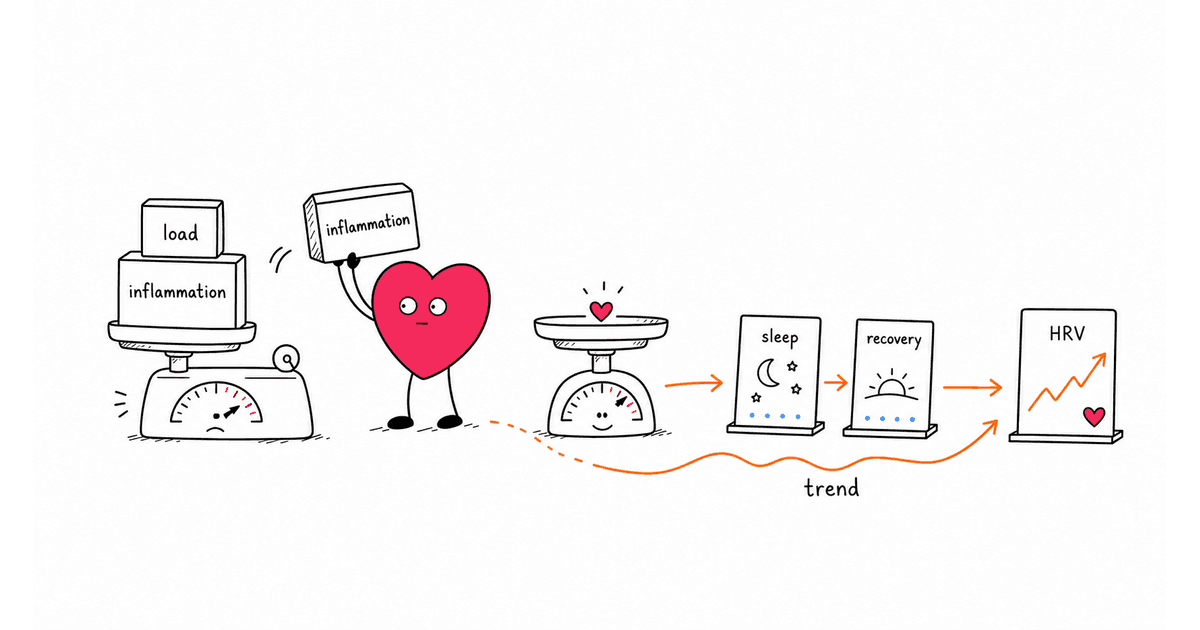
Carrying excess weight suppresses your HRV. Research shows that even moderate weight loss restores autonomic balance and measurably improves heart rate variability.
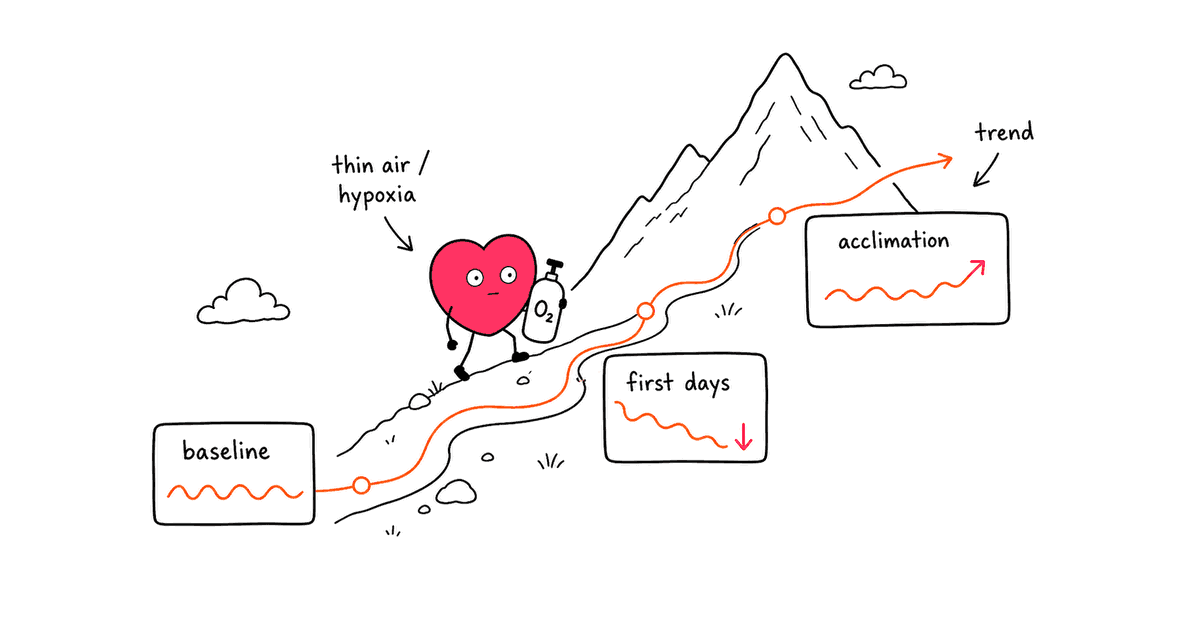
Altitude training temporarily suppresses HRV through hypoxia-driven sympathetic activation, but proper acclimatization restores and can even enhance autonomic function over time.
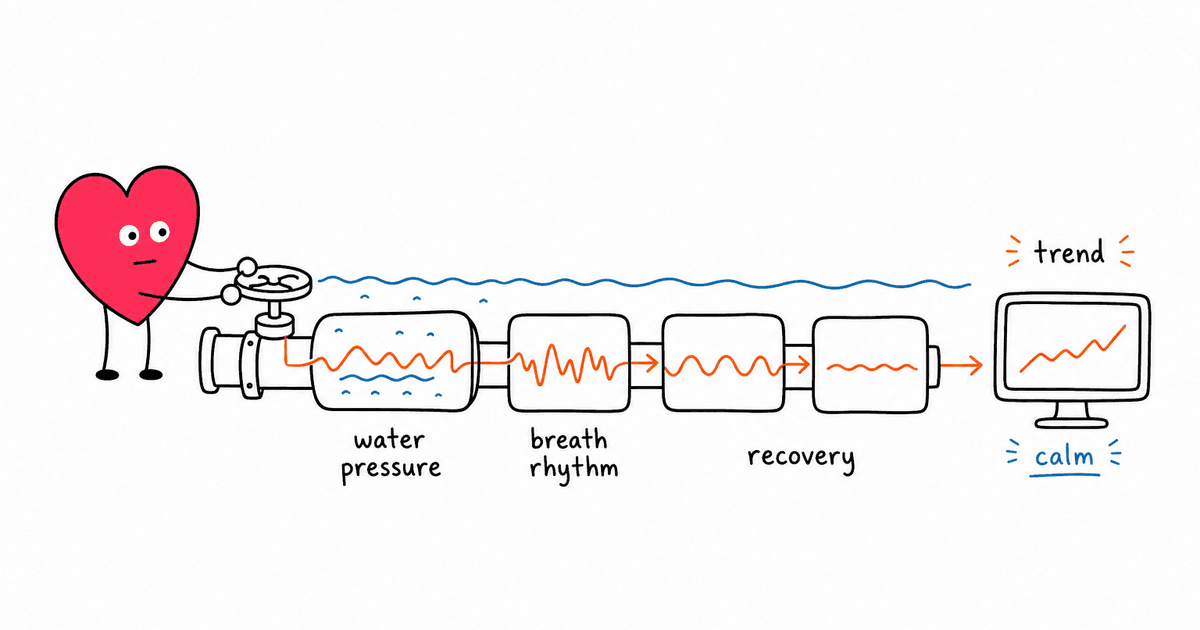
Swimming activates the parasympathetic nervous system through mechanisms no land-based exercise can match, including the mammalian dive reflex and hydrostatic pressure.
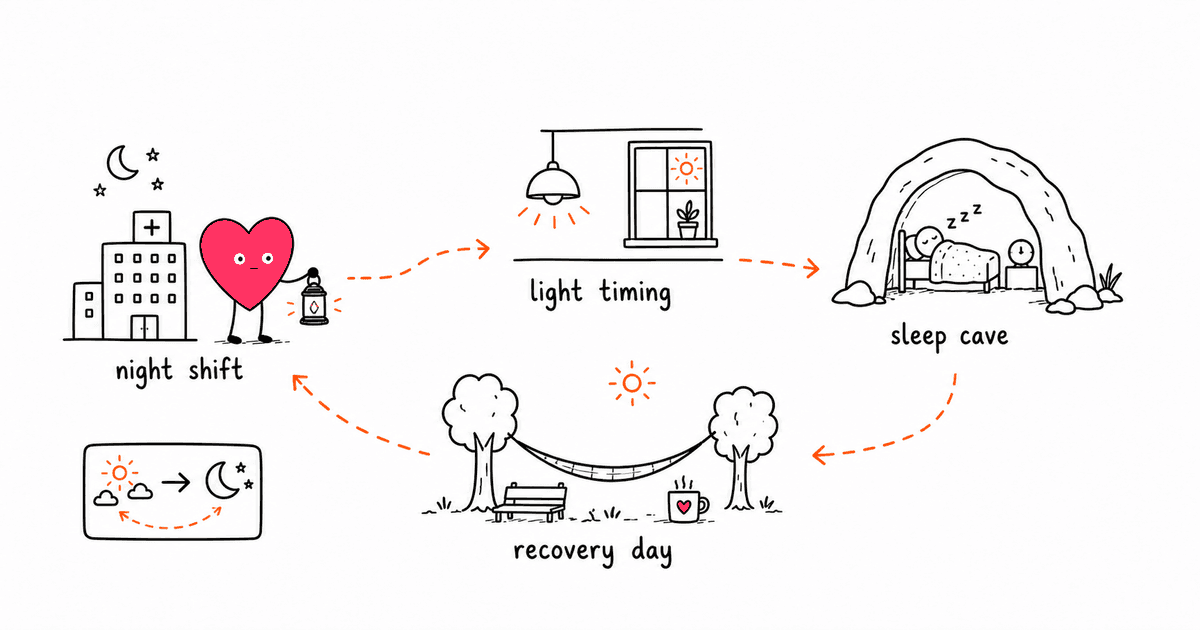
Night shift workers face up to 40% higher cardiovascular risk. Research shows shift work significantly lowers HRV by disrupting circadian rhythms and autonomic balance.
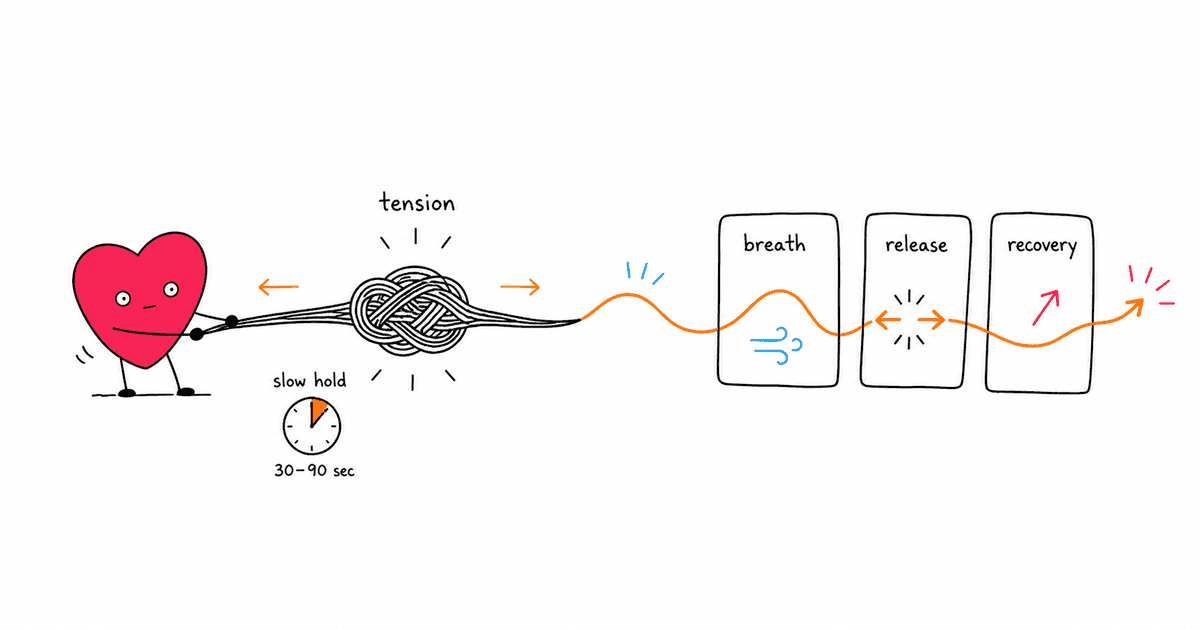
Stretching does more than loosen tight muscles. Research shows it activates the parasympathetic nervous system, boosts vagal tone, and can measurably improve your HRV over time.
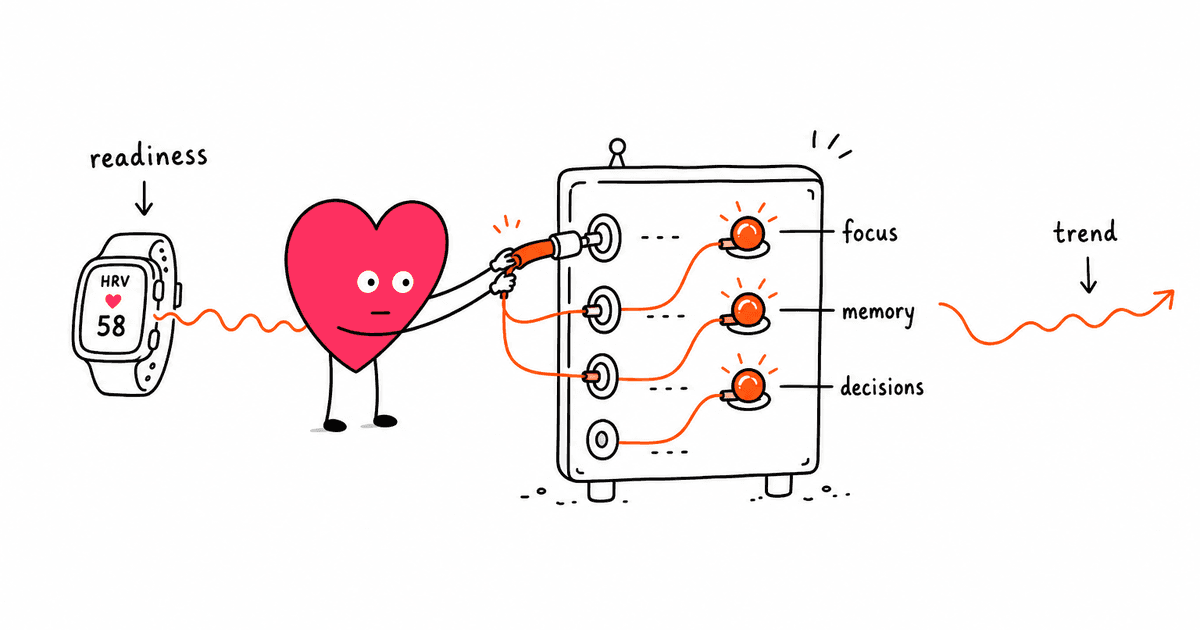
Your heart rate variability doesn't just reflect physical fitness. Research reveals a direct link between HRV and cognitive abilities like focus, working memory, and decision making under pressure.
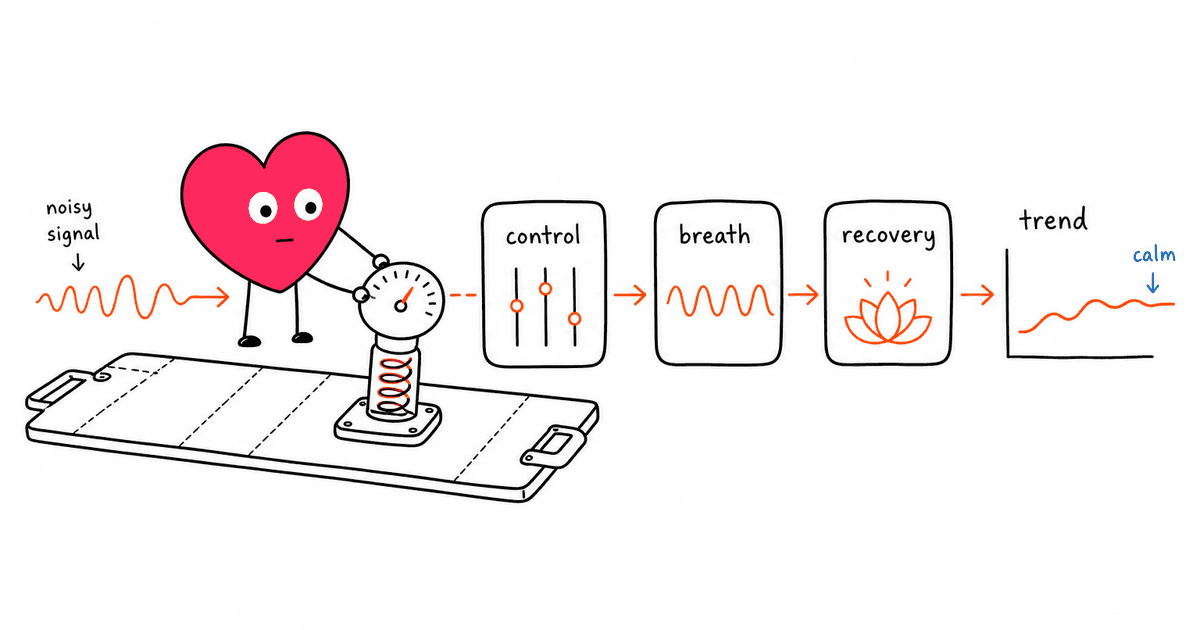
Research shows that regular Pilates practice can significantly improve HRV by enhancing parasympathetic nervous system activity. Here's what the science says and how to get started.
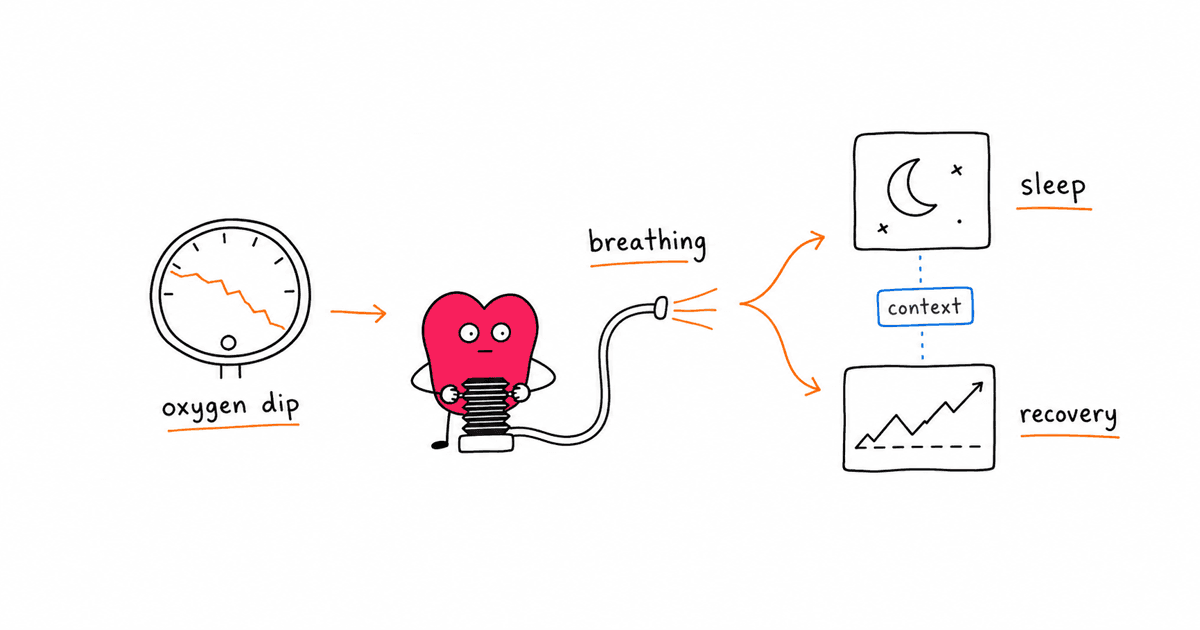
Your wearable tracks both SpO2 and HRV, but how do these two metrics connect? Here's what the research says about blood oxygen, autonomic function, and what to watch for.
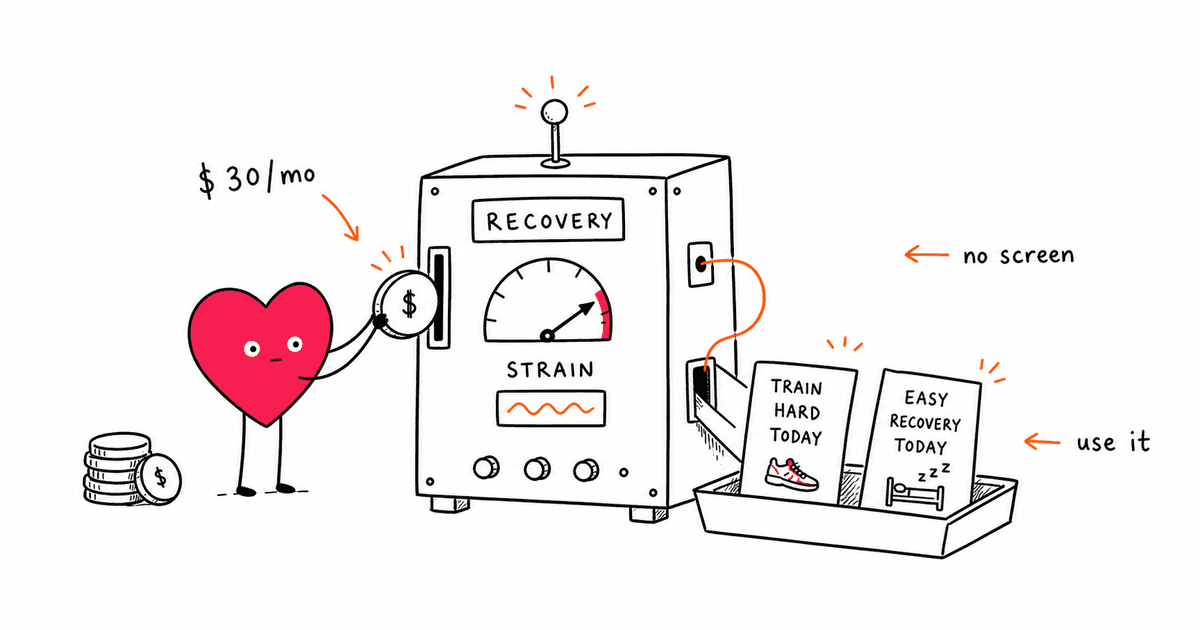
WHOOP costs $30/month with no screen and no smartwatch features. Here's who should buy it, who should skip it, and whether the data justifies the price.
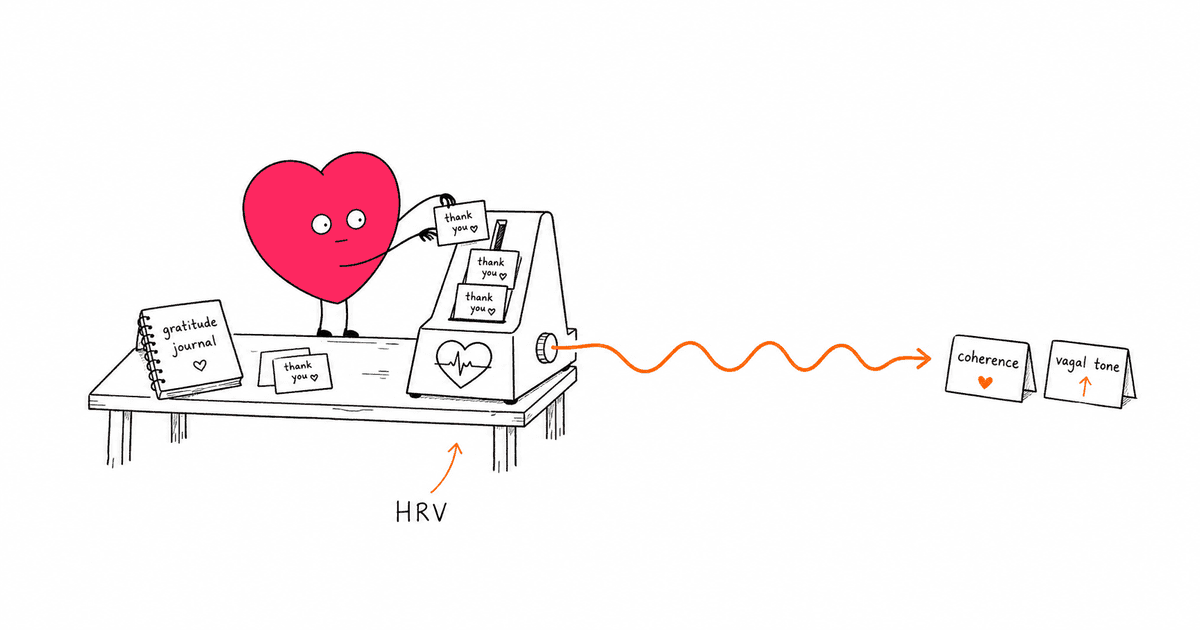
Gratitude is more than a feel-good emotion. Research shows it measurably improves HRV, reduces inflammation, and strengthens cardiovascular health.
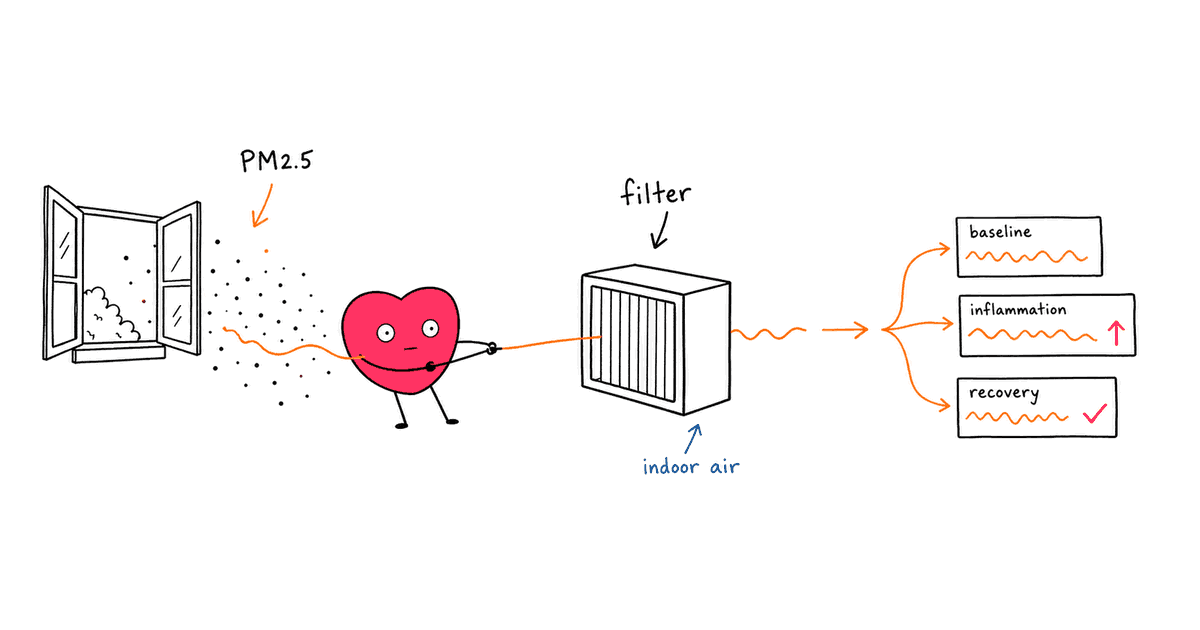
Air pollution does more than harm your lungs. Research shows it directly reduces HRV by disrupting autonomic nervous system function, even at levels considered safe.
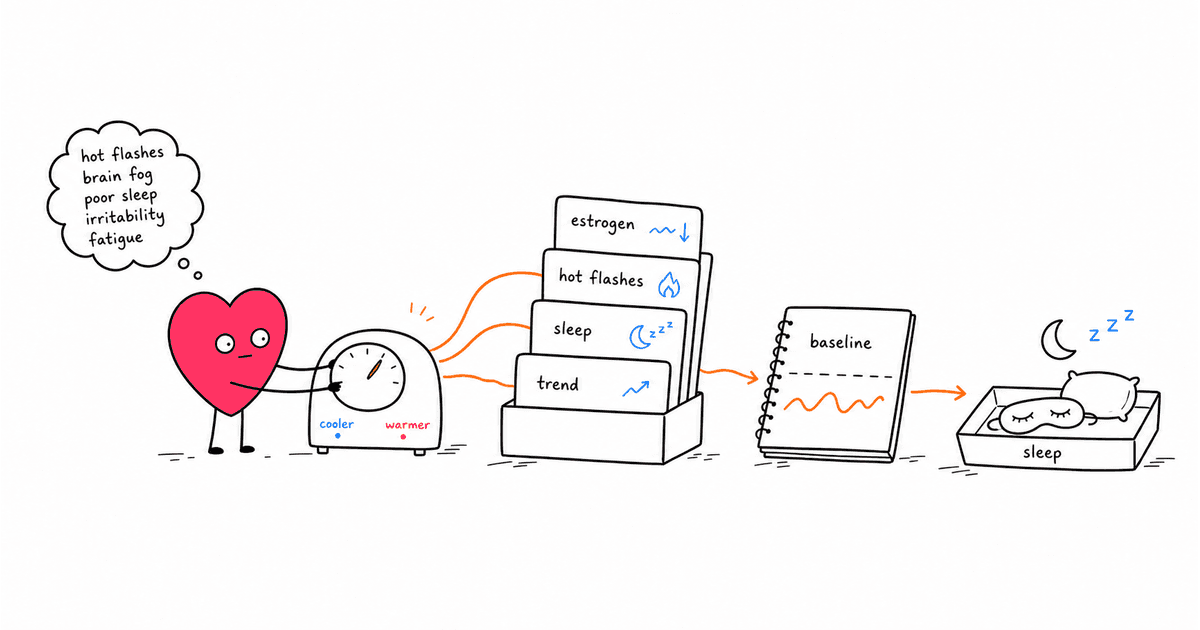
Menopause brings significant changes to your autonomic nervous system. Understanding the HRV-menopause connection can help you protect your heart health during this transition.
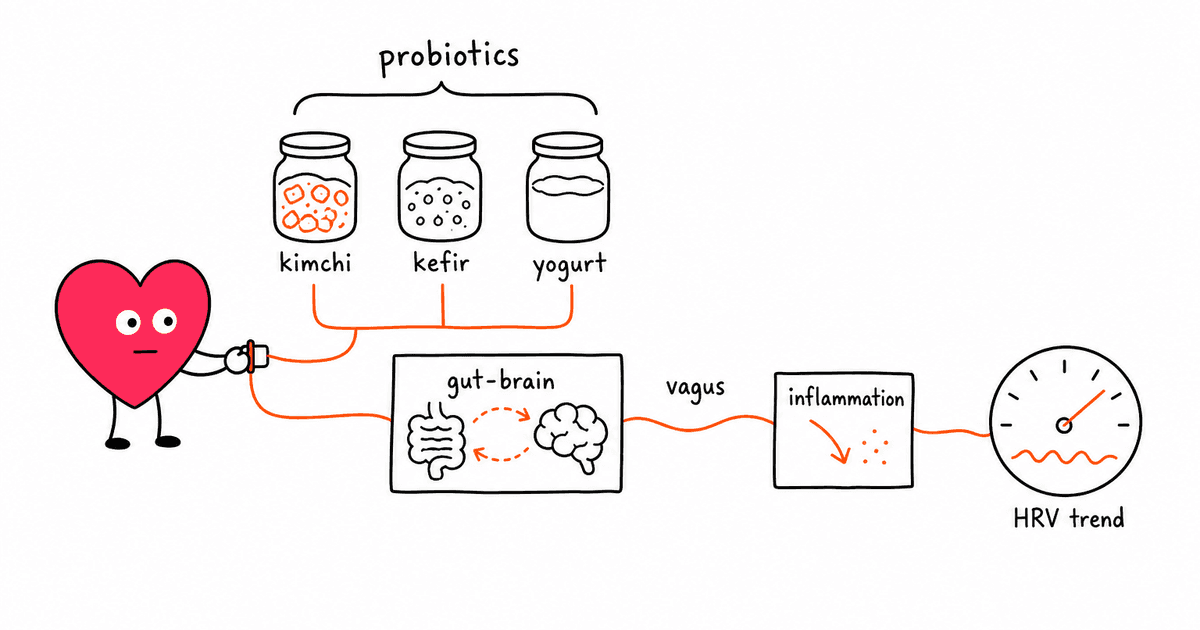
Fermented foods support your gut microbiome, which communicates directly with your heart and brain through the vagus nerve. Here's what the research says about fermented foods and HRV.
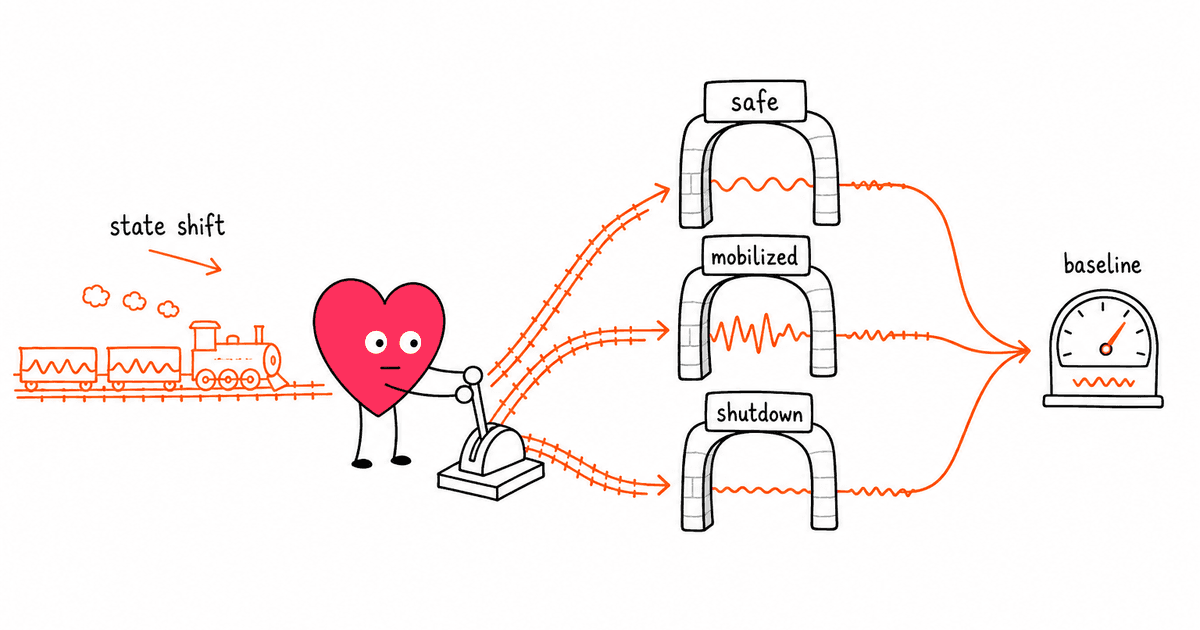
Polyvagal theory reveals why your HRV changes throughout the day. Here's what your nervous system's three states mean for your heart rate variability.
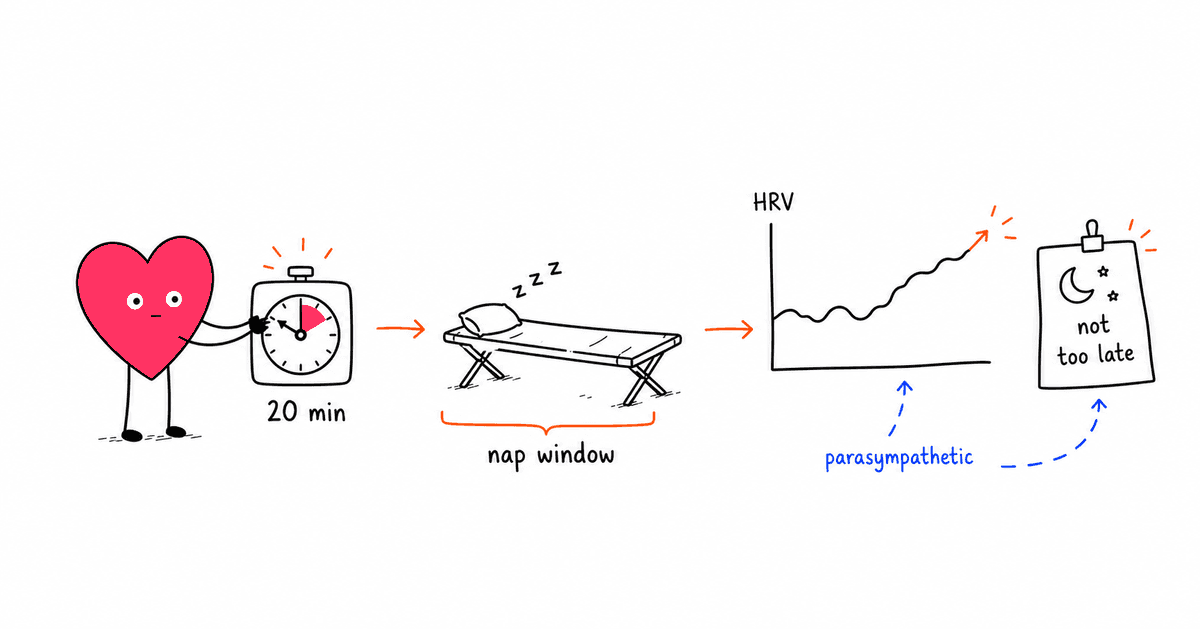
Short naps can boost your HRV and recovery, but timing and duration matter. Here's what the research says about napping and heart rate variability.
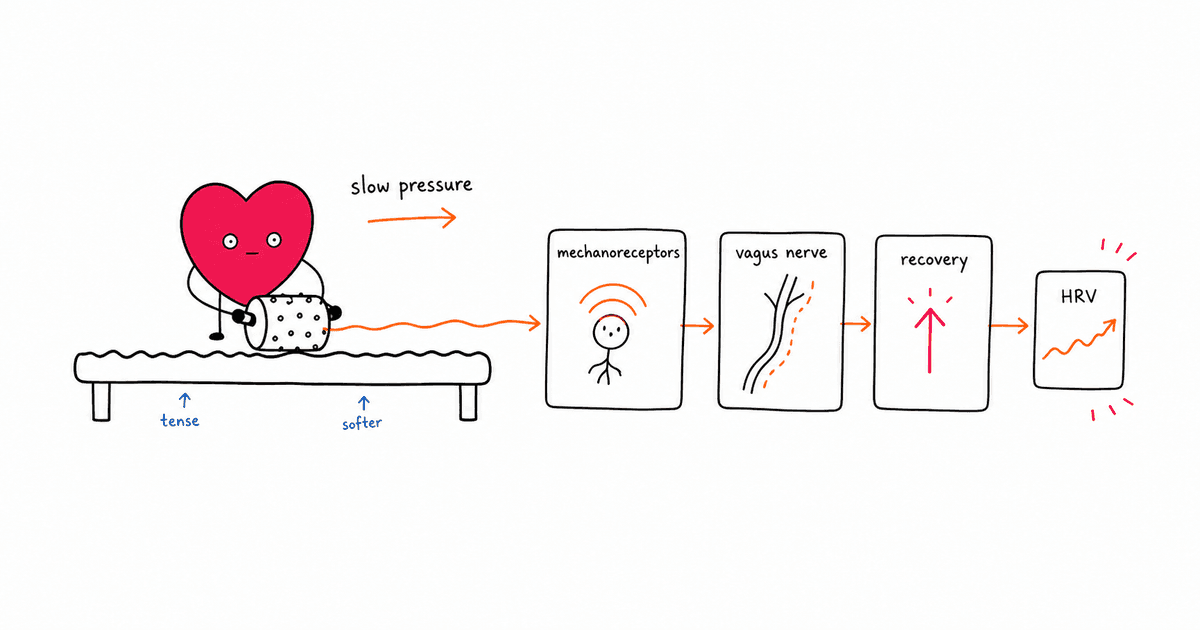
Massage therapy does more than relieve sore muscles. Research shows it can measurably boost HRV by shifting your nervous system into recovery mode.
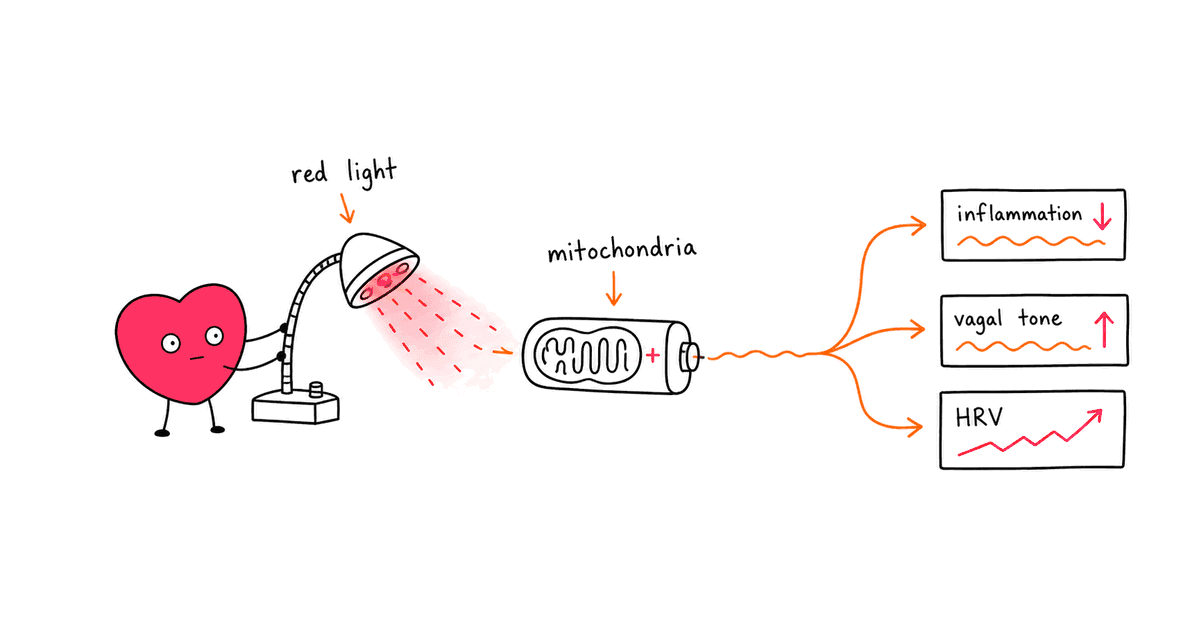
Red light therapy is gaining attention as a recovery tool, but can it actually improve your HRV? Here's what the research says about photobiomodulation and autonomic function.
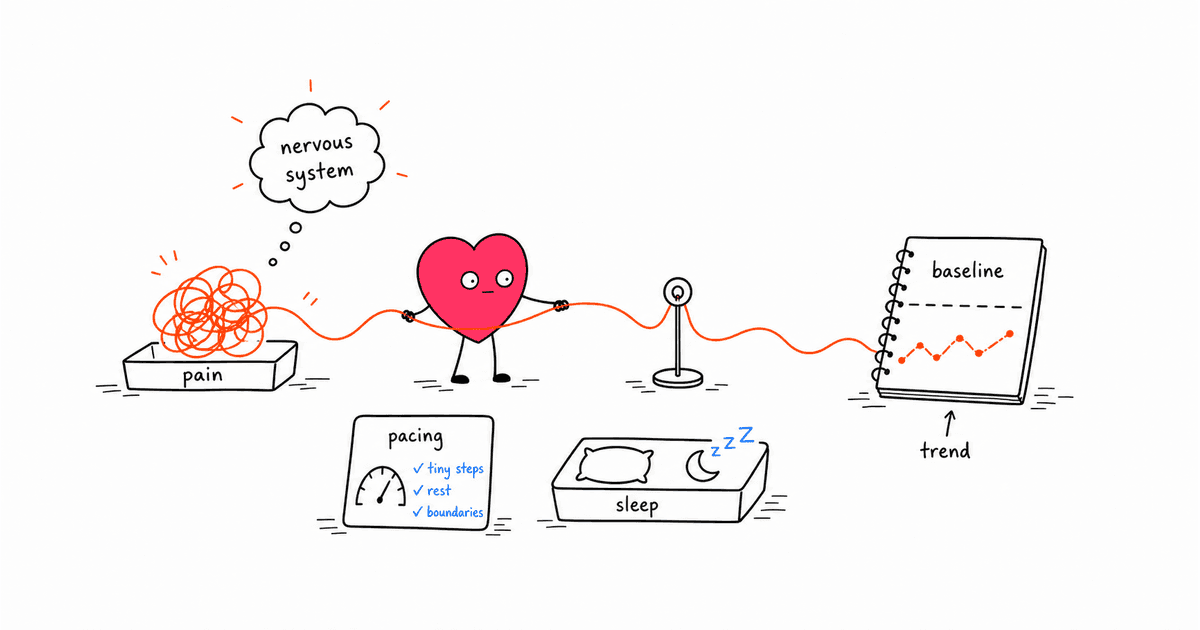
Chronic pain doesn't just hurt. It disrupts your autonomic nervous system in measurable ways. Here's how HRV reveals the hidden impact of persistent pain.
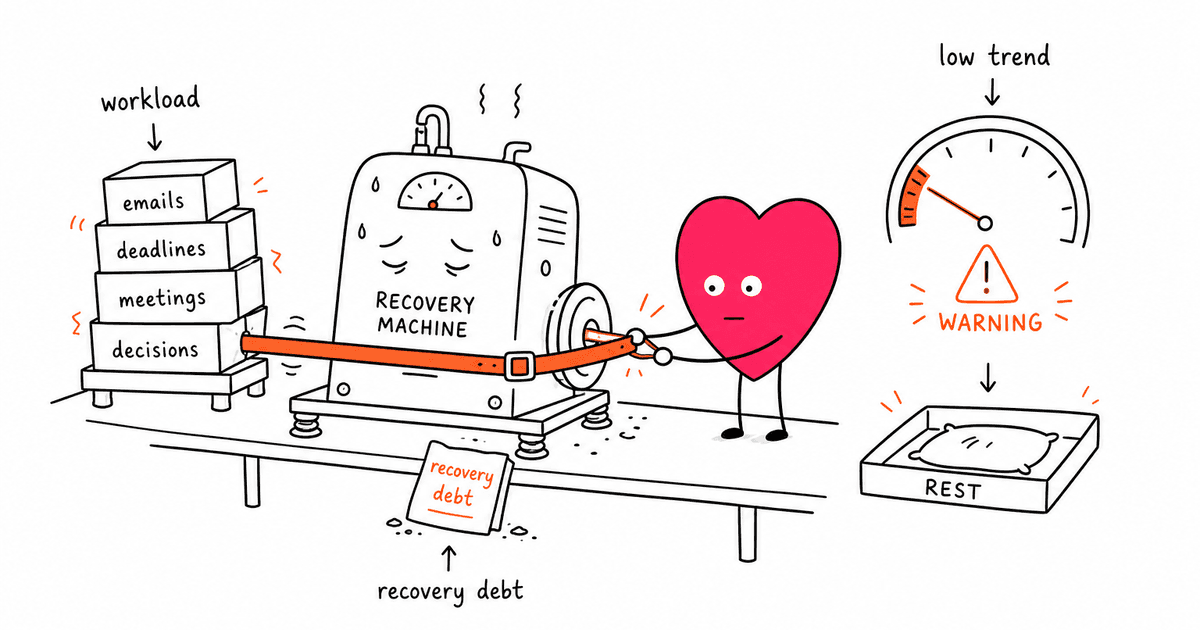
Burnout doesn't happen overnight. Research shows HRV can detect the autonomic dysfunction behind chronic exhaustion weeks before traditional symptoms peak.
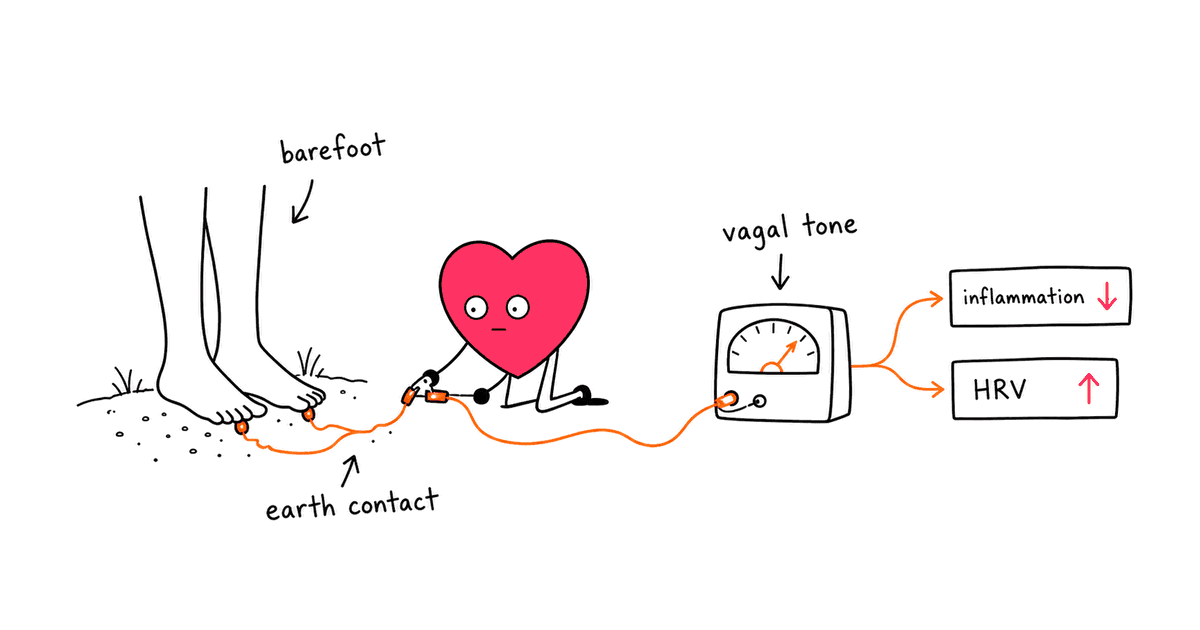
Research suggests that direct contact with the earth's surface may improve HRV by shifting the autonomic nervous system toward parasympathetic dominance. Here's what the science says.
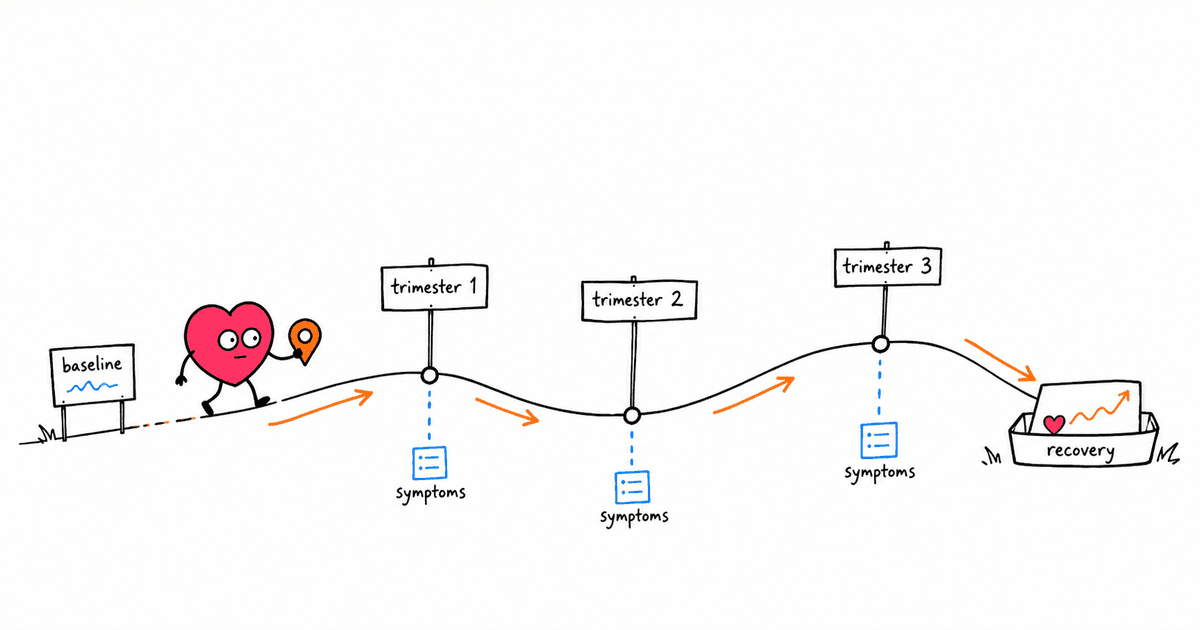
Pregnancy transforms your cardiovascular system, and HRV reflects those changes in real time. Here is what the research shows about HRV across all three trimesters and postpartum.
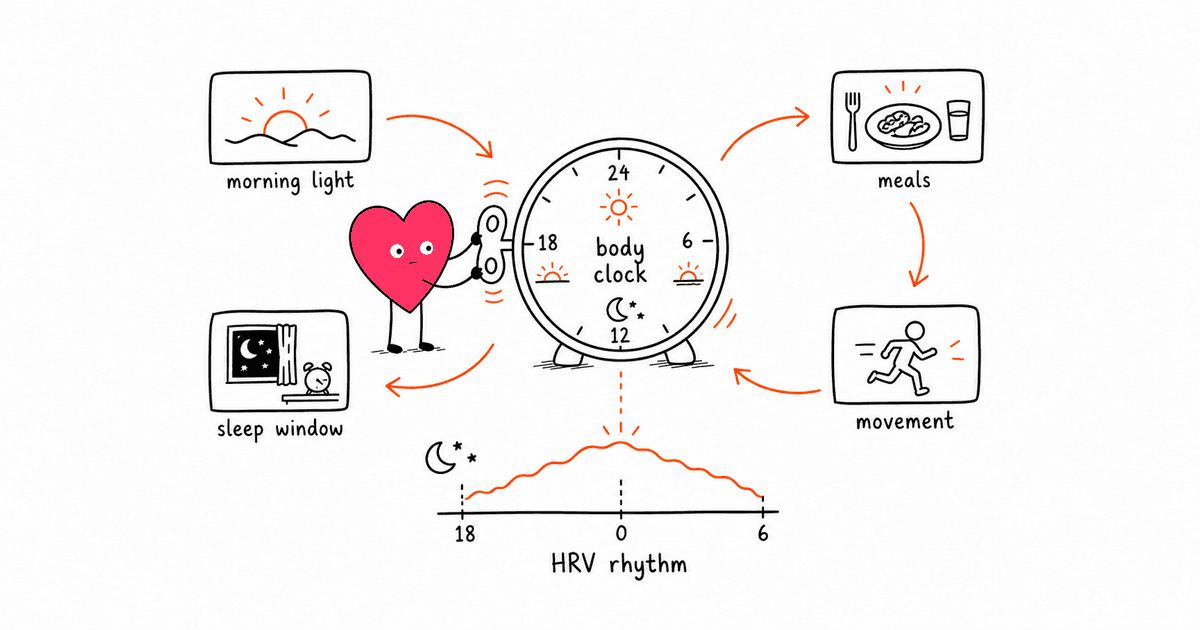
Your HRV follows a predictable daily pattern driven by your circadian rhythm. Understanding this connection can help you optimize your recovery, sleep, and overall health.
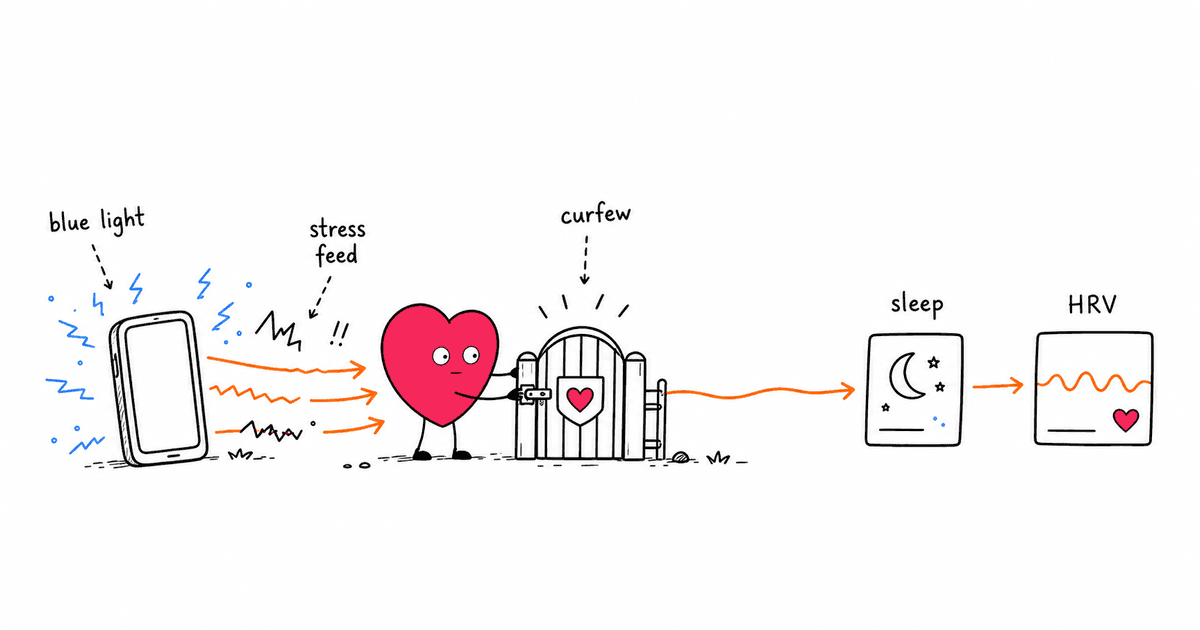
Excessive screen time can lower your HRV through stress, blue light exposure, and disrupted sleep. Here's what research reveals and how to take control.
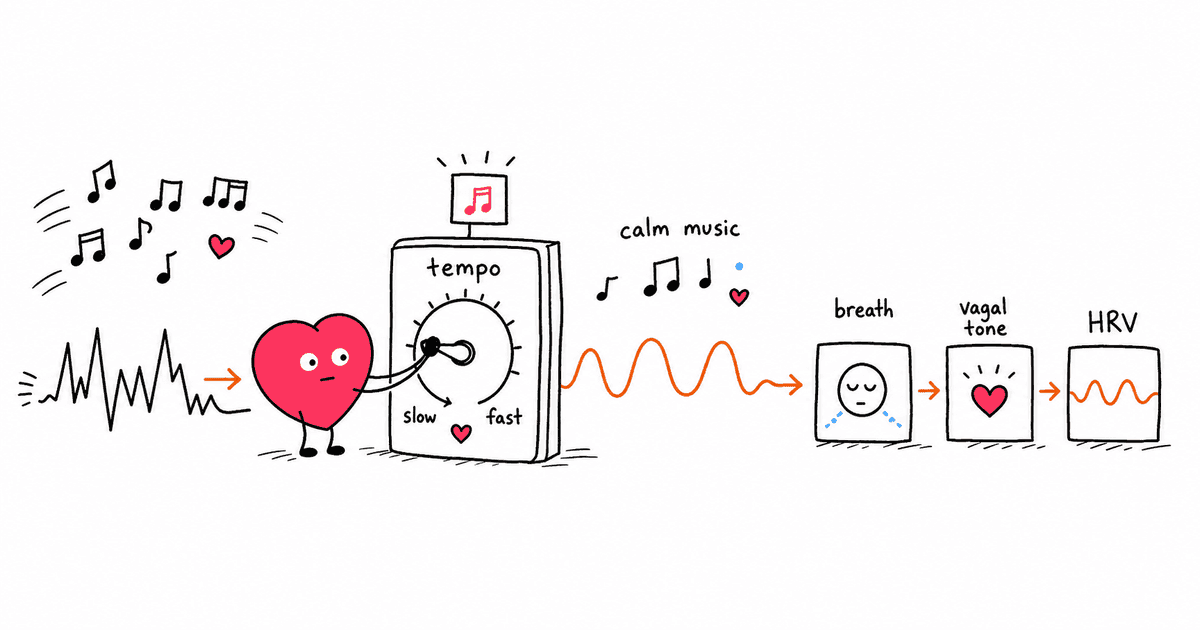
Research shows music can significantly influence your HRV. Here's what the science says about tempo, genre, and how to use music as a recovery tool.
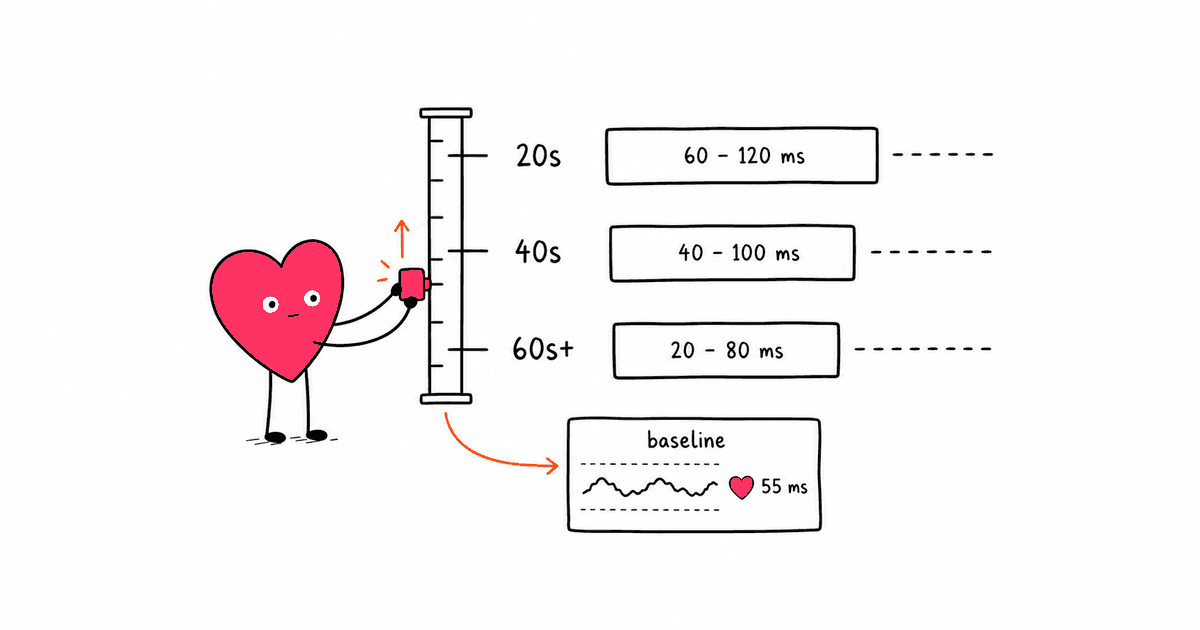
See normal HRV ranges by age, with a simple decade-by-decade chart and practical guidance for interpreting your baseline.
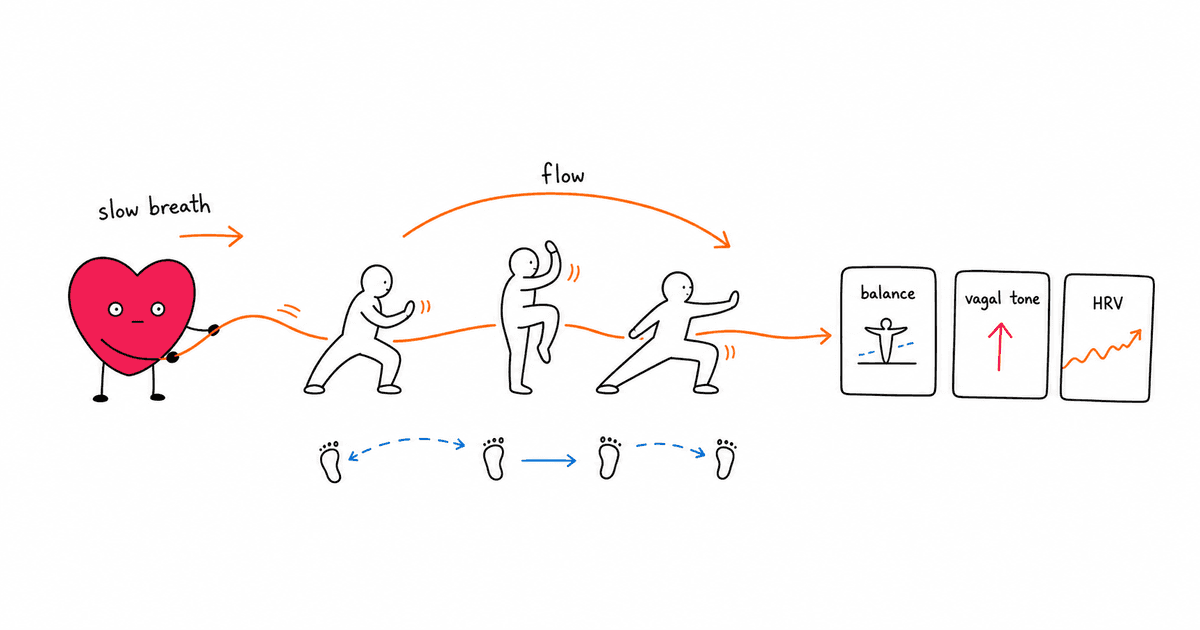
Research shows Tai Chi can significantly improve HRV by shifting your nervous system toward parasympathetic dominance. Here's what the science says and how to get started.
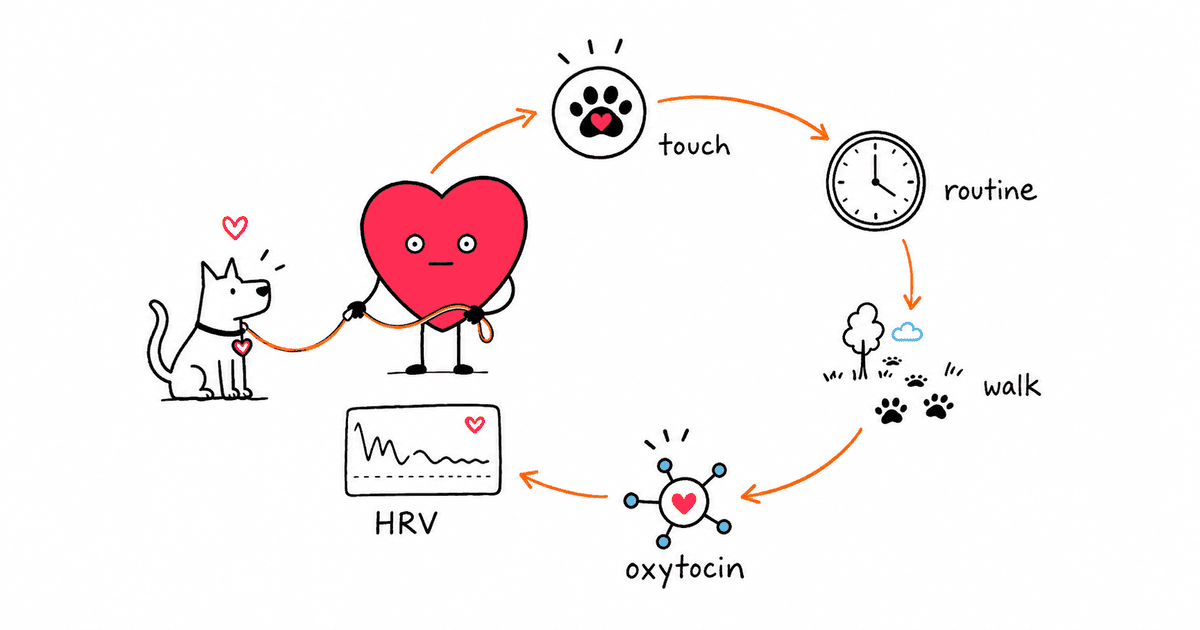
Pet owners show higher HRV and better cardiovascular outcomes than non-owners. Here's what the science says about the heart health benefits of the human-animal bond.
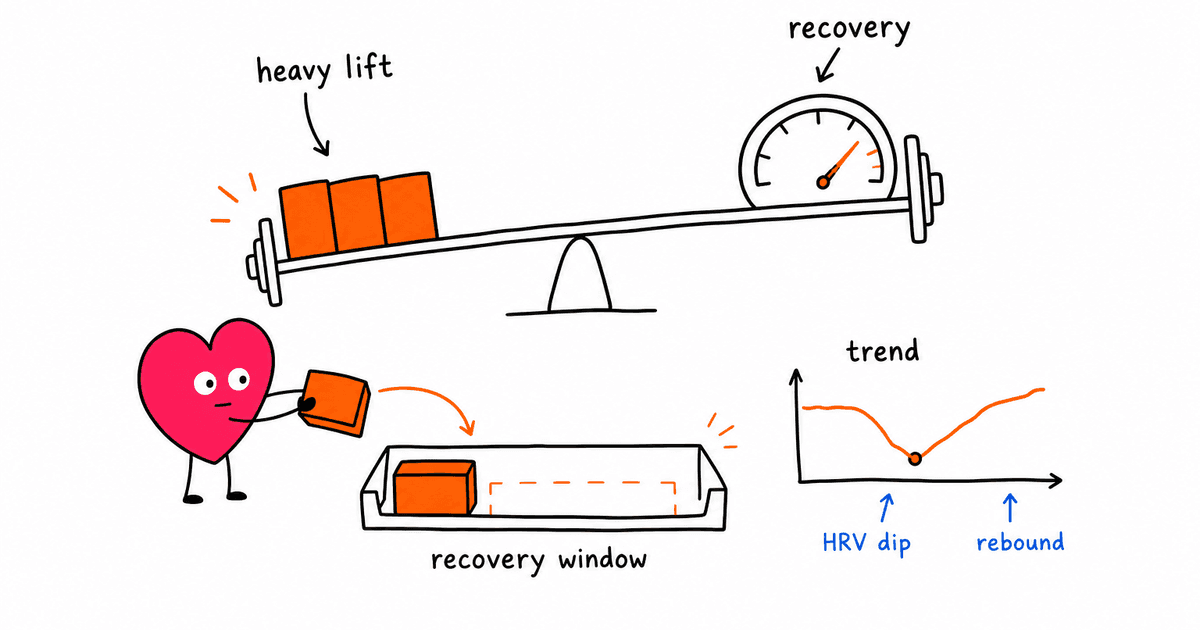
A lower HRV after lifting is usually normal. Here is how long it should last, what is a red flag, and how to train around it.
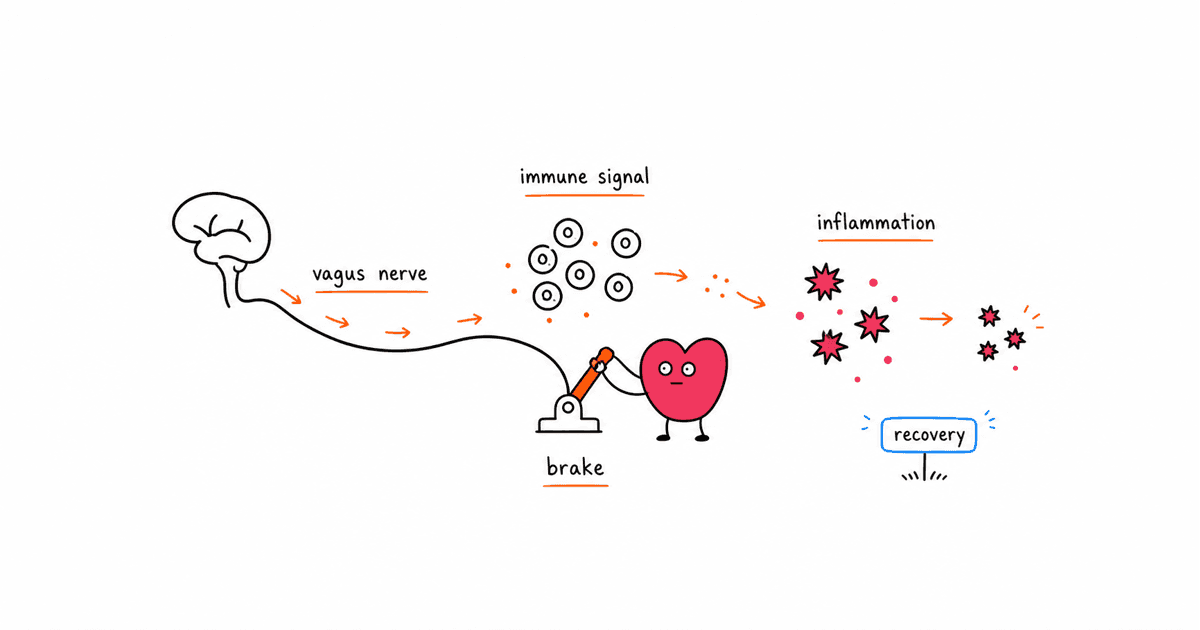
Your HRV isn't just a fitness metric. It reflects your body's ability to regulate inflammation and immune responses through the vagus nerve.
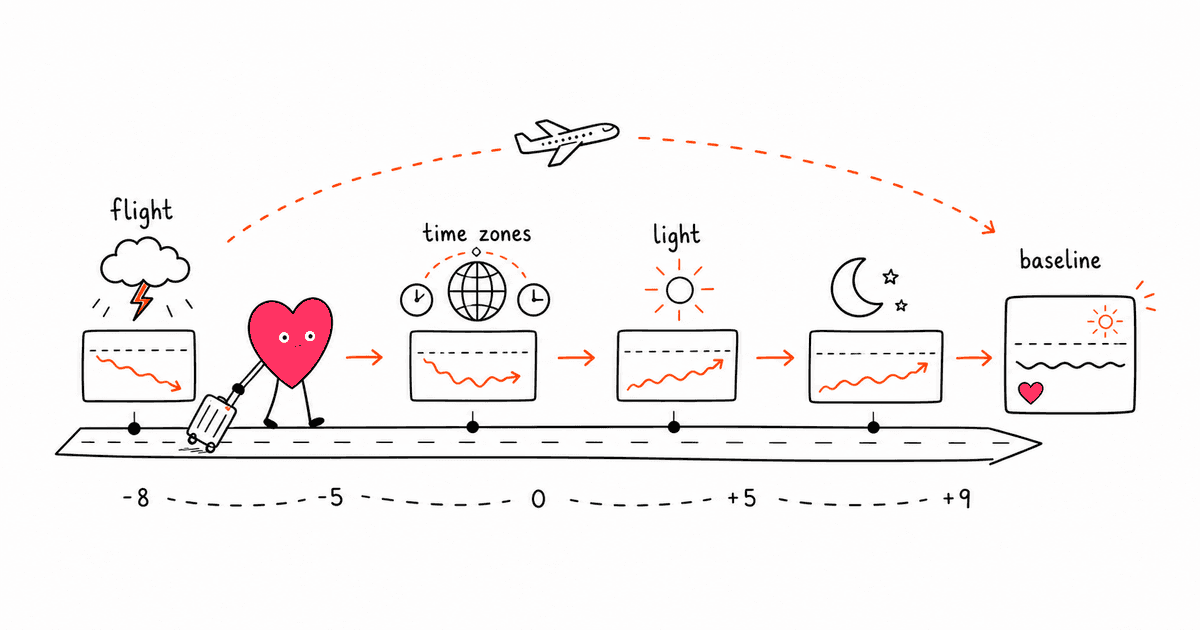
Long-haul travel tanks your HRV. Here's why jet lag disrupts your autonomic nervous system and how to recover faster.
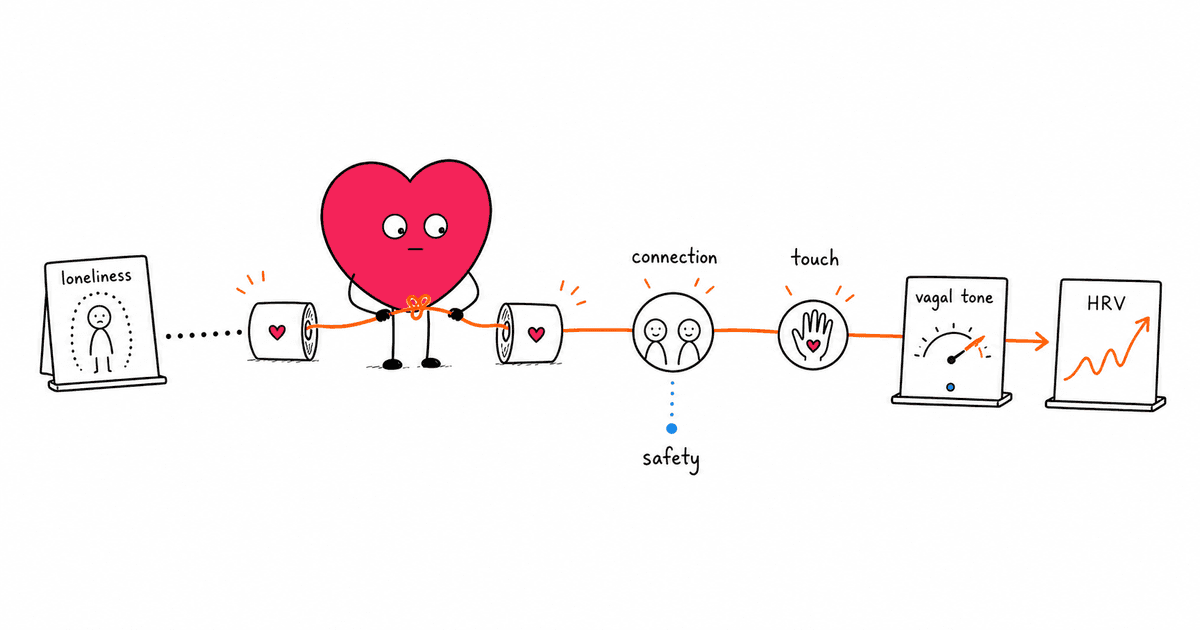
Your social life might be the most overlooked factor in your HRV readings. Here's what research says about connection, loneliness, and autonomic health.
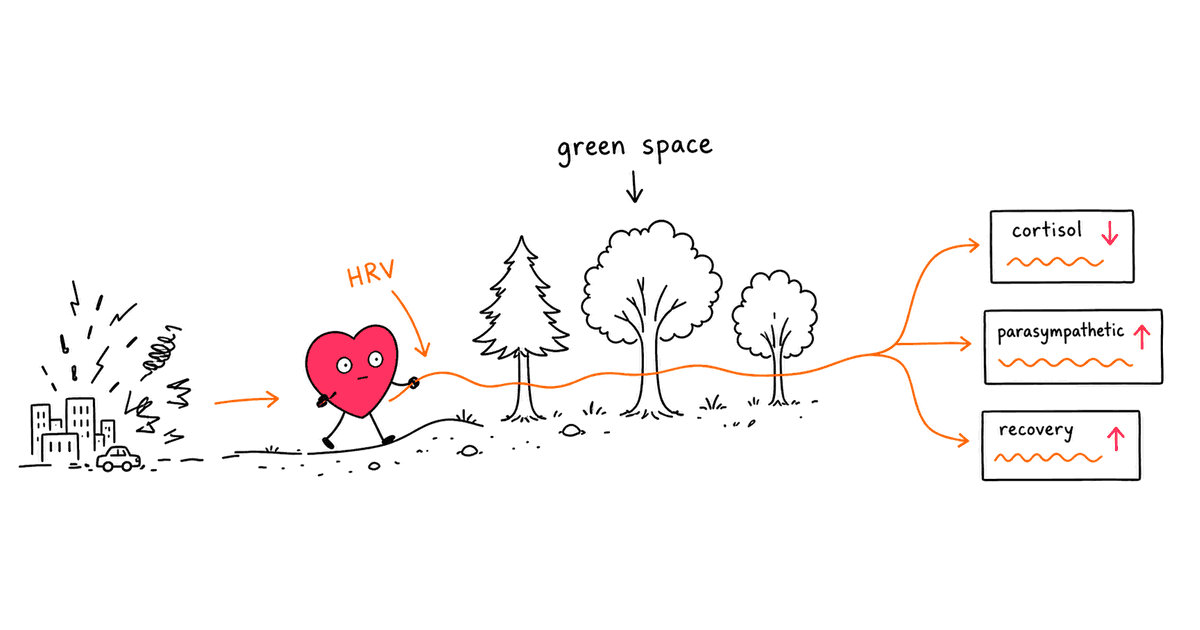
Forest bathing isn't just relaxing. Research shows nature exposure measurably increases HRV by shifting your autonomic nervous system toward parasympathetic dominance.
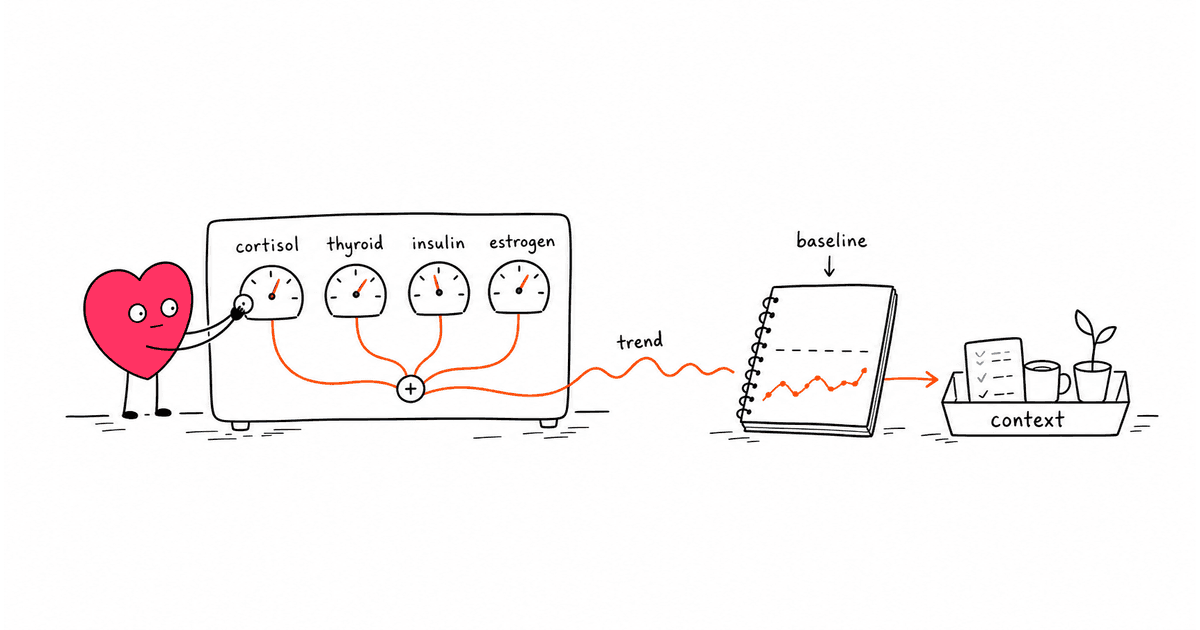
Your hormones have a direct line to your autonomic nervous system. Understanding how cortisol, thyroid, testosterone, and insulin affect HRV can help you decode patterns in your data.
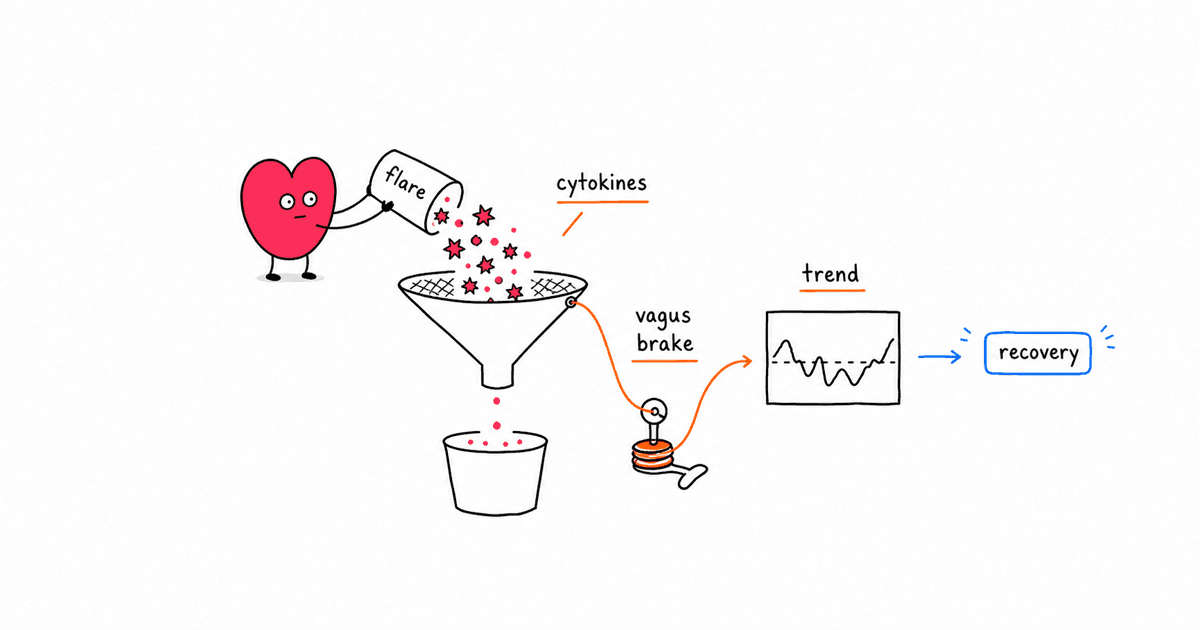
Your HRV is more than a fitness metric. It is a window into your body's inflammatory state, connected through the vagus nerve's remarkable ability to regulate immune responses.
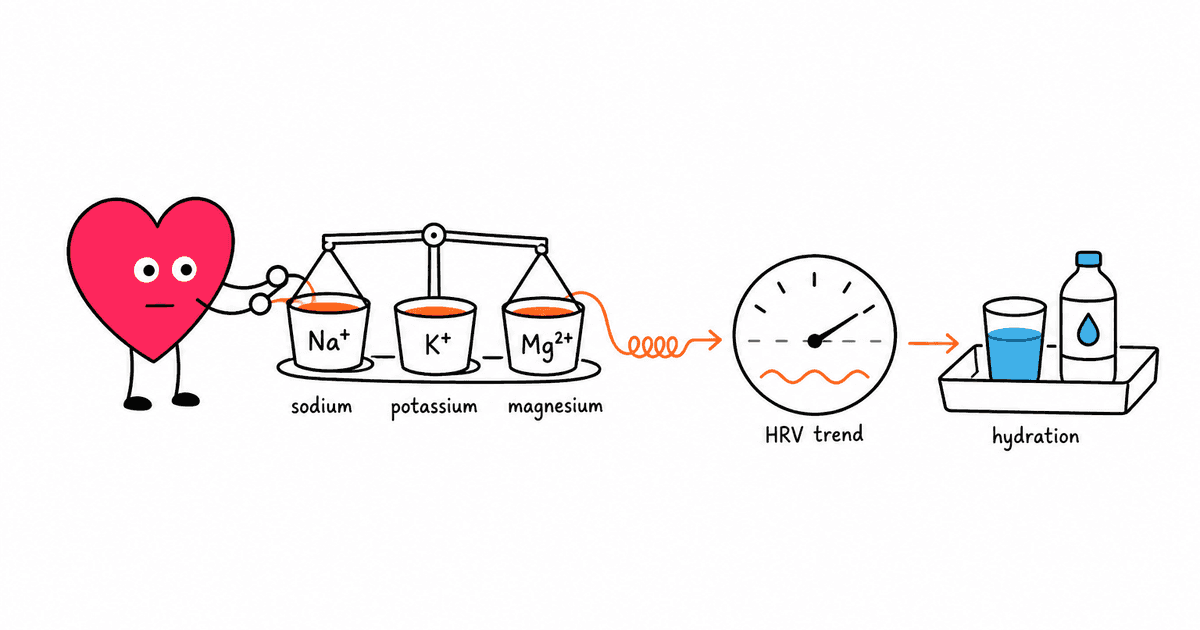
Electrolytes do more than prevent cramps. They play a direct role in your heart's electrical signaling and can significantly impact your HRV readings.
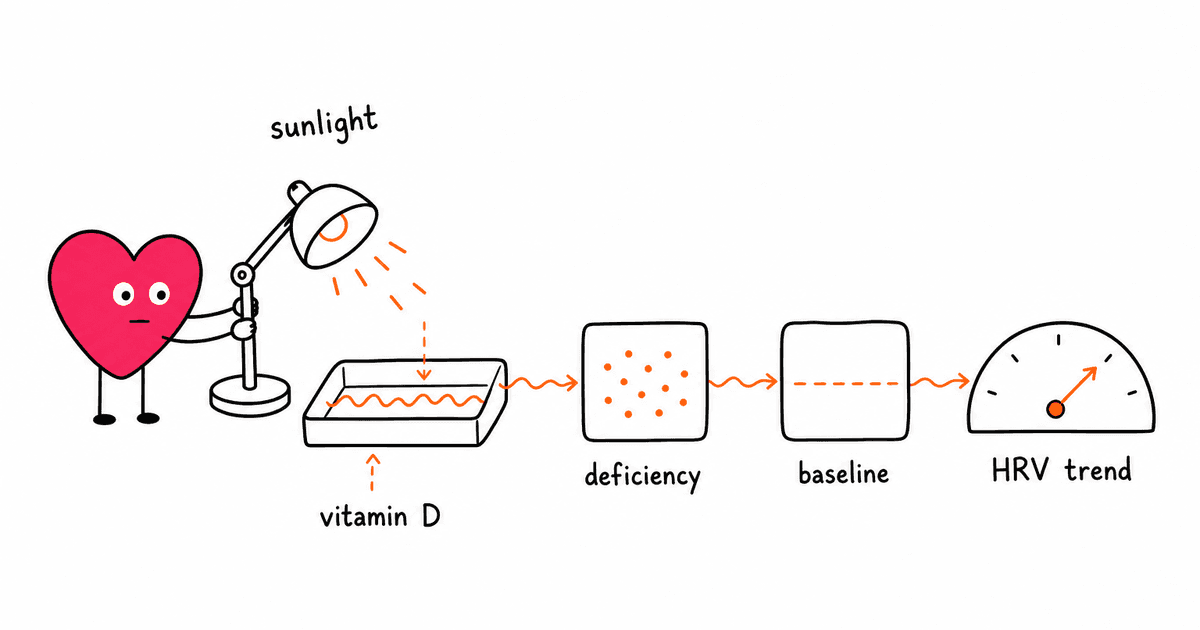
Vitamin D deficiency affects more than your bones. Research links low vitamin D levels to reduced heart rate variability and impaired autonomic function.
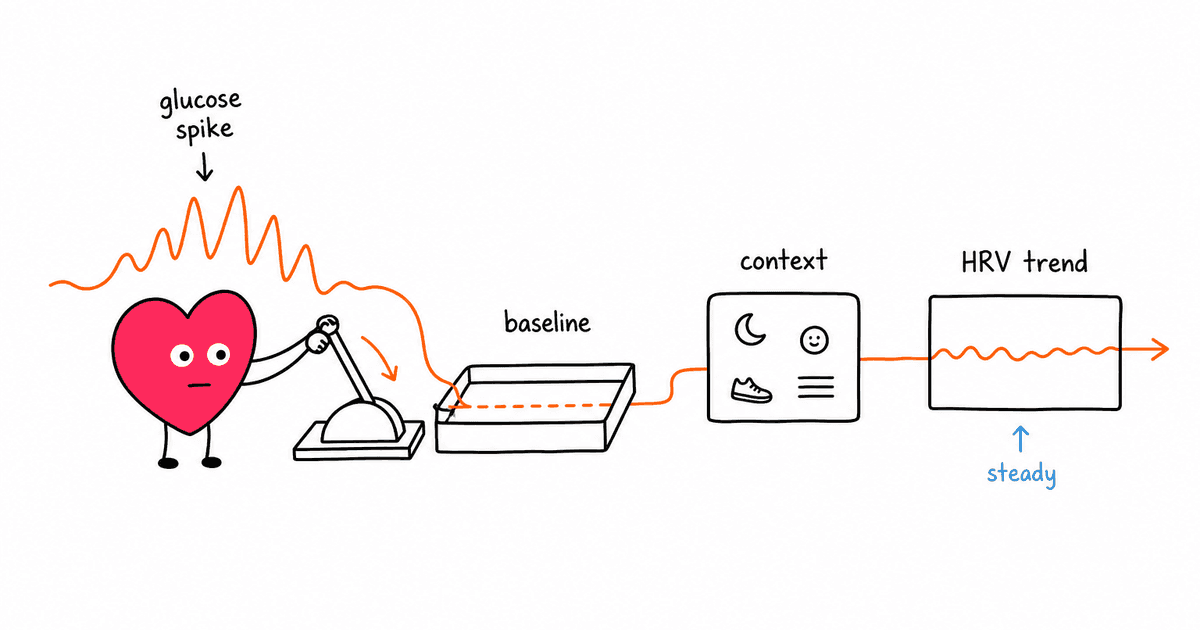
Blood sugar spikes don't just affect your energy levels. Research shows glucose fluctuations directly impact your heart rate variability and autonomic nervous system balance.
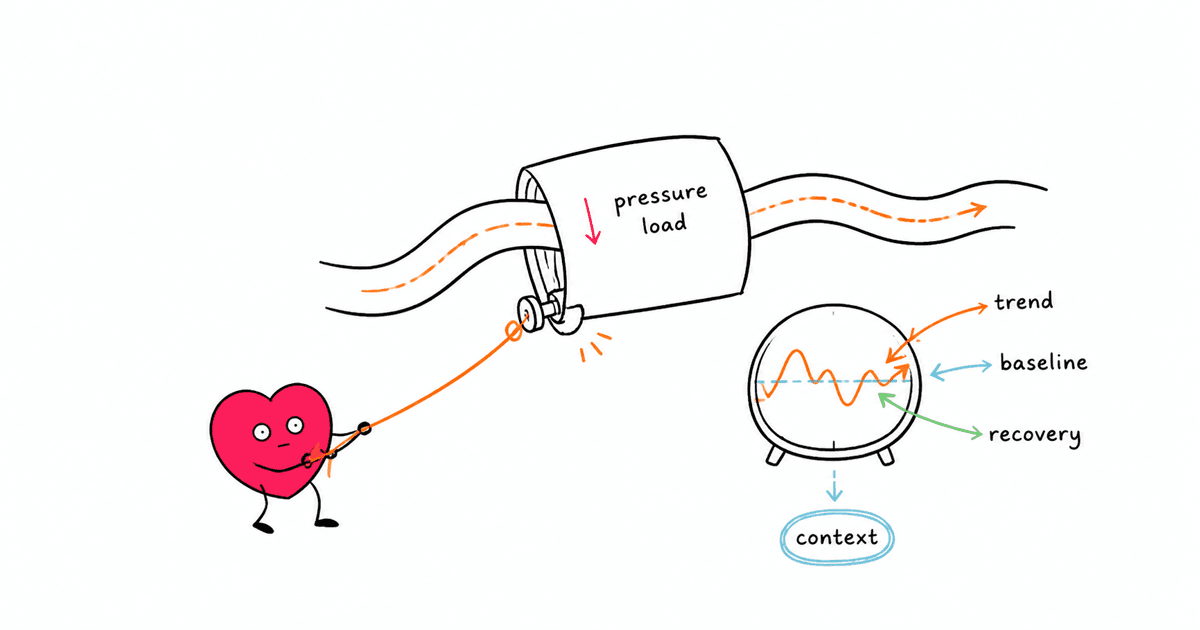
Research shows a strong connection between low HRV and high blood pressure. Learn what the science says and how improving your HRV may support healthier blood pressure.
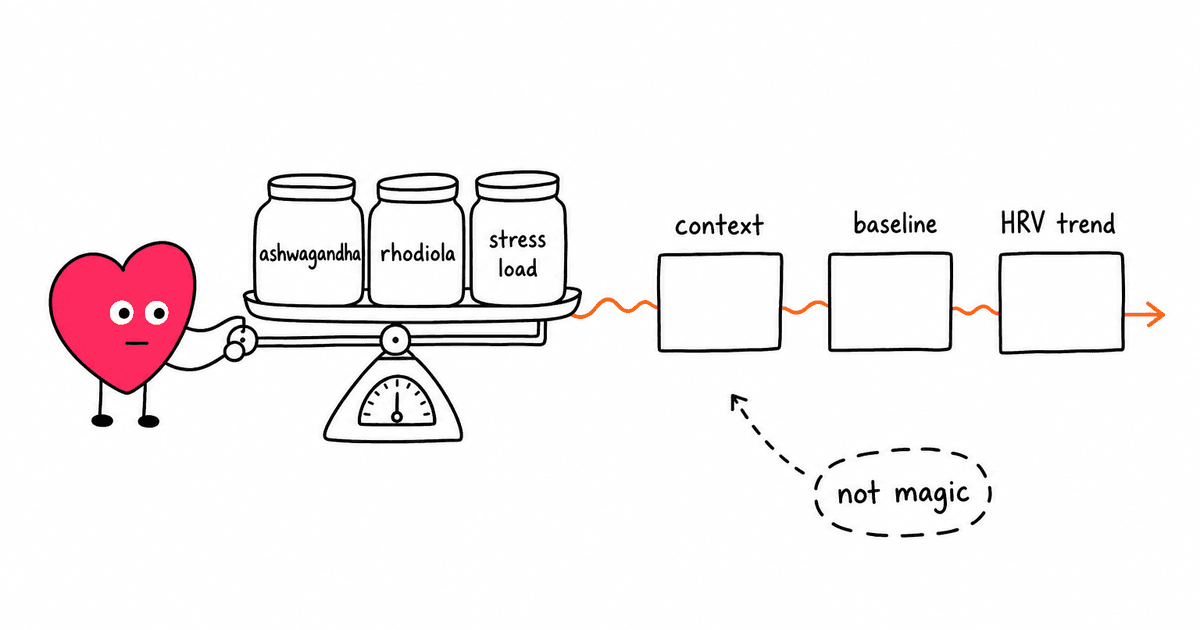
Can adaptogenic herbs like ashwagandha and rhodiola actually improve your HRV? Here's what the research says about adaptogens and autonomic nervous system balance.
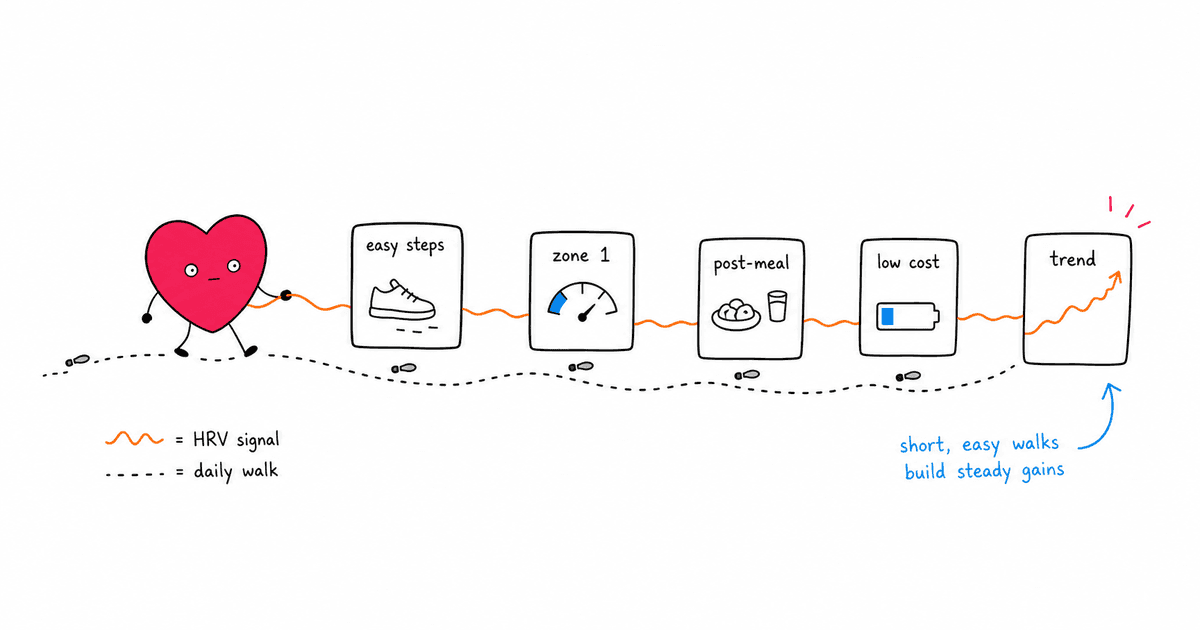
Daily walking is one of the simplest, most effective ways to improve your HRV. Here's what the research says about step counts, intensity, and long-term autonomic benefits.
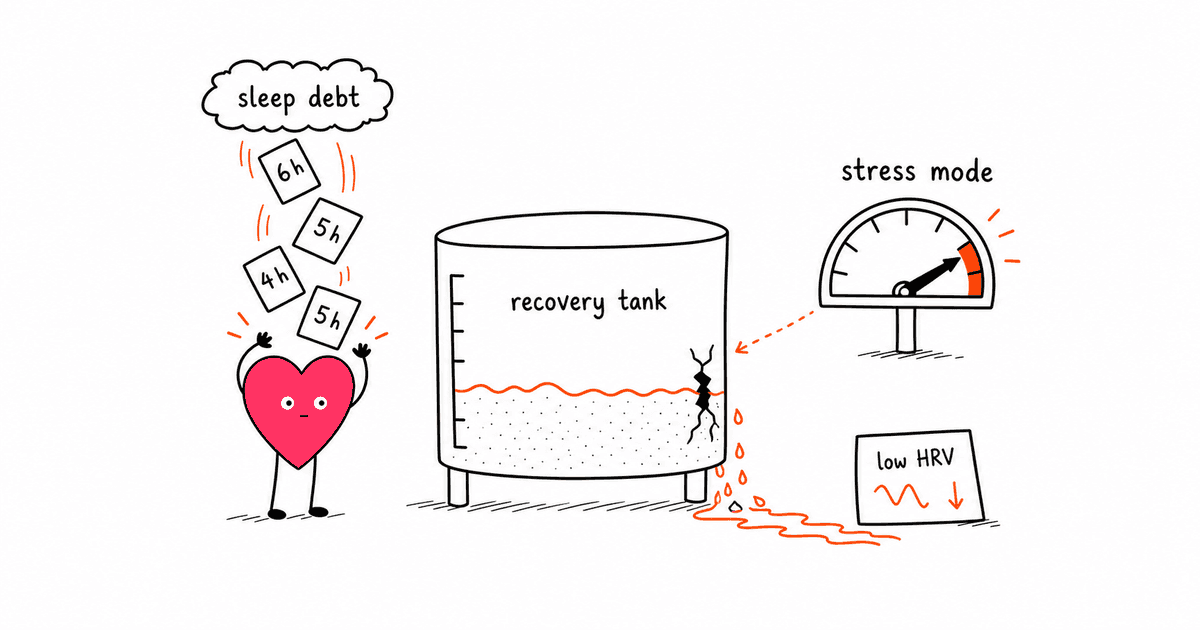
Sleep deprivation is one of the fastest ways to tank your HRV. Here's exactly how poor sleep disrupts your autonomic nervous system and what the research says about recovery.
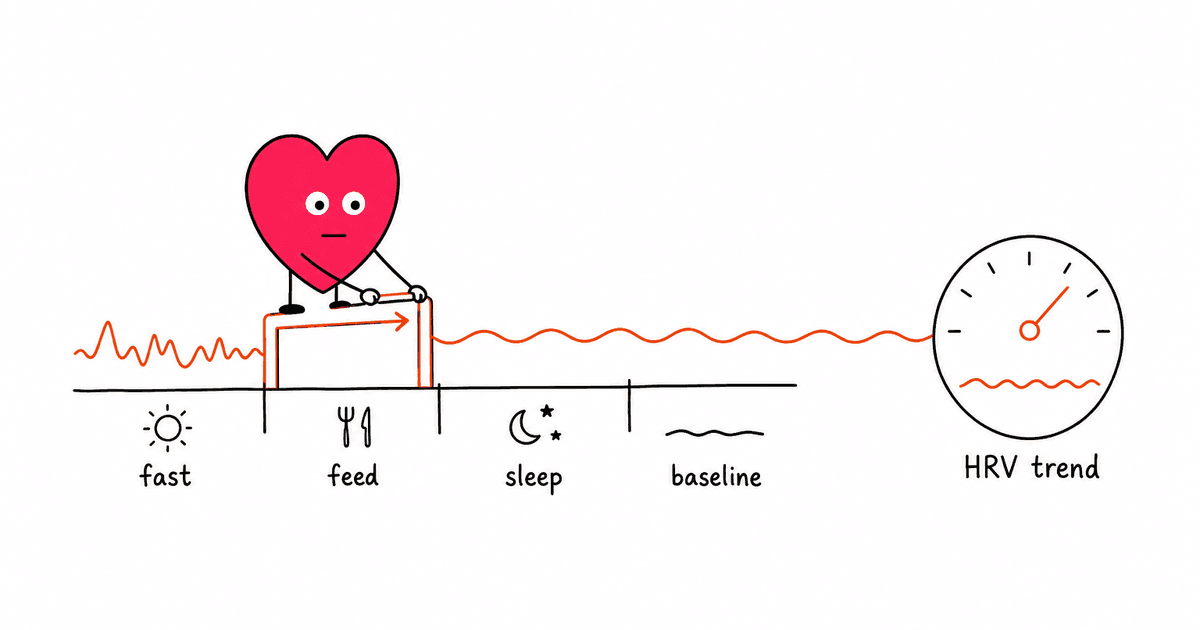
Intermittent fasting does more than help with weight loss. Research shows it can significantly improve your HRV by enhancing parasympathetic activity and autonomic balance.
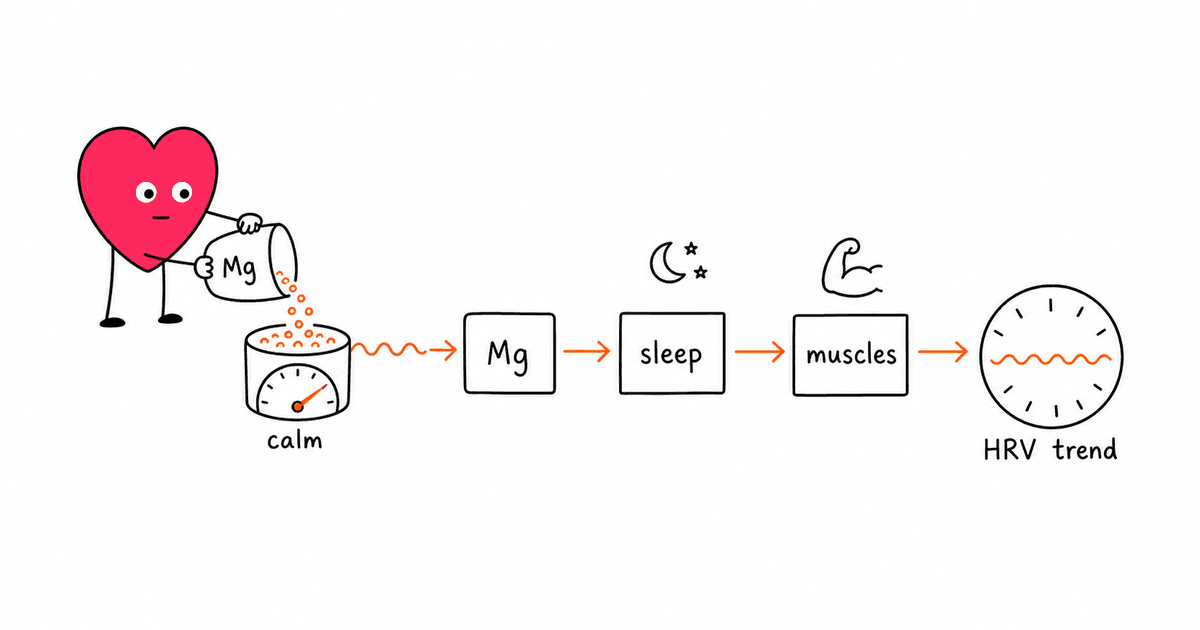
Learn how magnesium supplementation can improve your HRV by supporting parasympathetic nervous system function and stress resilience.
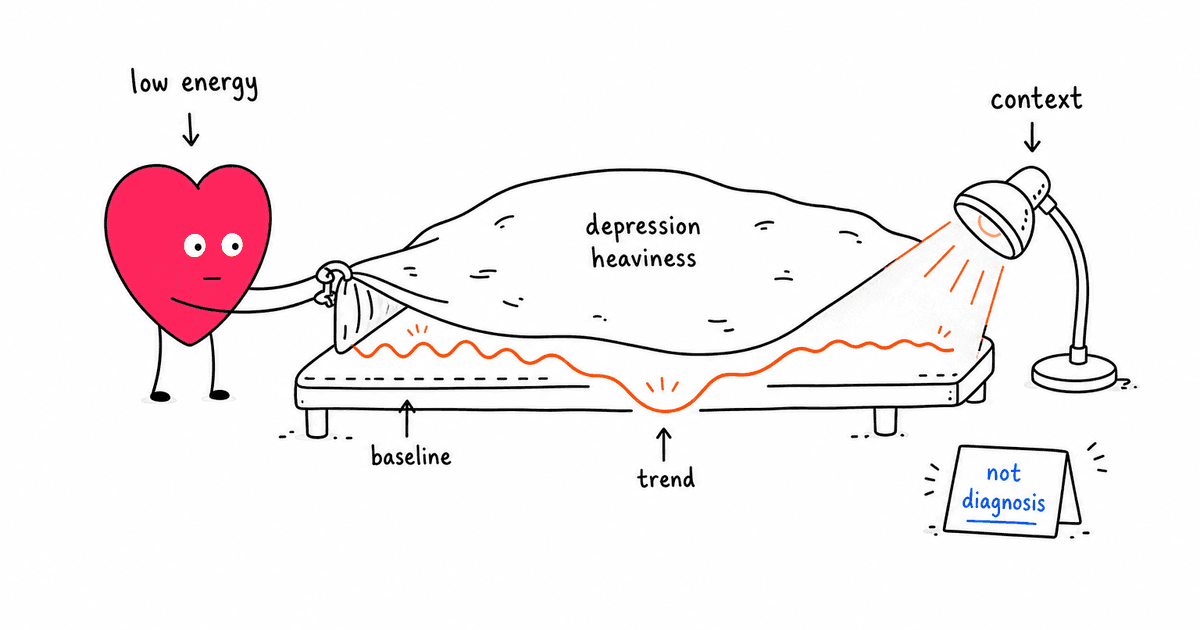
Research consistently shows that depression is associated with reduced HRV. Understanding this connection opens new doors for monitoring and improving mental health.
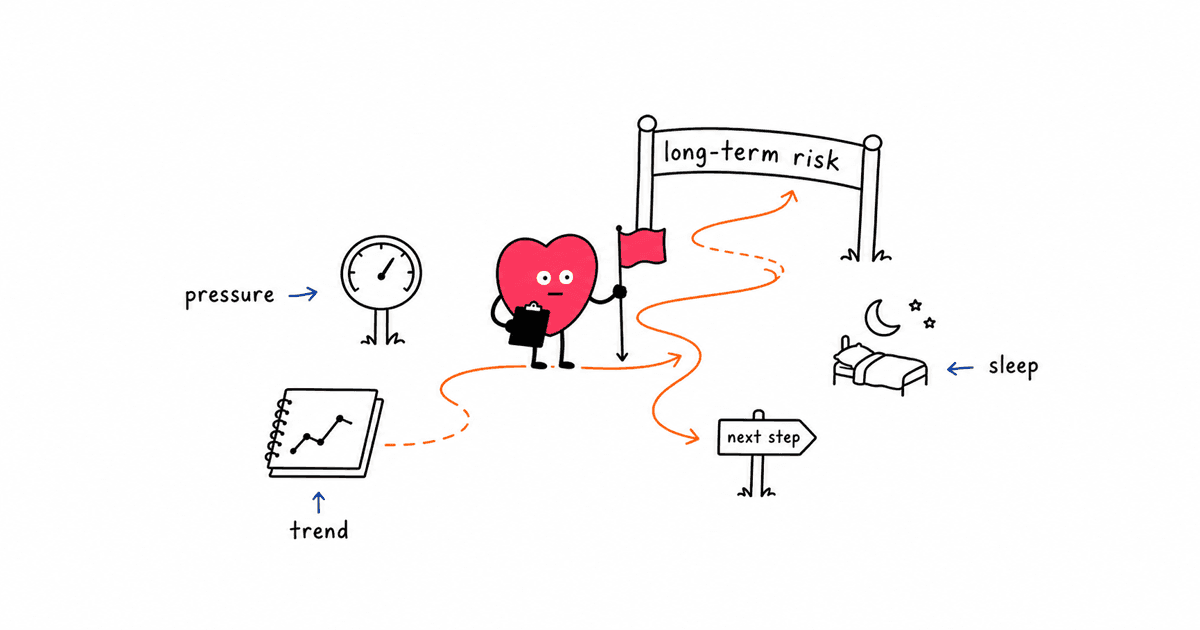
Low HRV doesn't just signal poor recovery. Research links it to a significantly higher risk of heart disease, heart failure, and stroke.
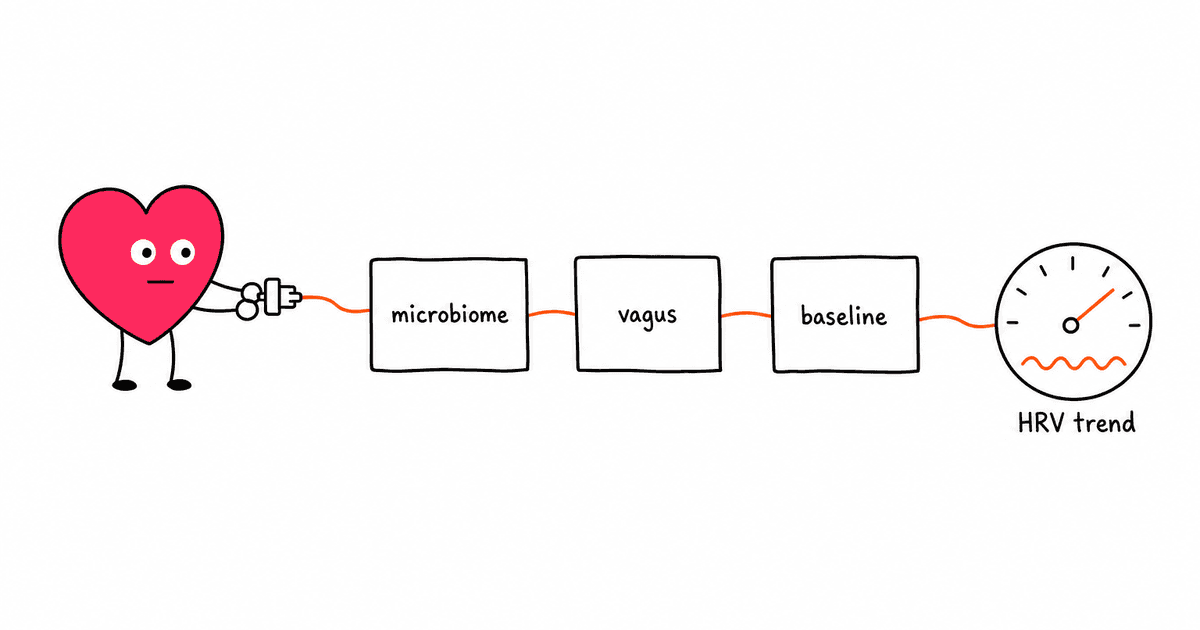
The vagus nerve connects your gut directly to your heart. Emerging research shows that gut microbiome diversity correlates with higher HRV.
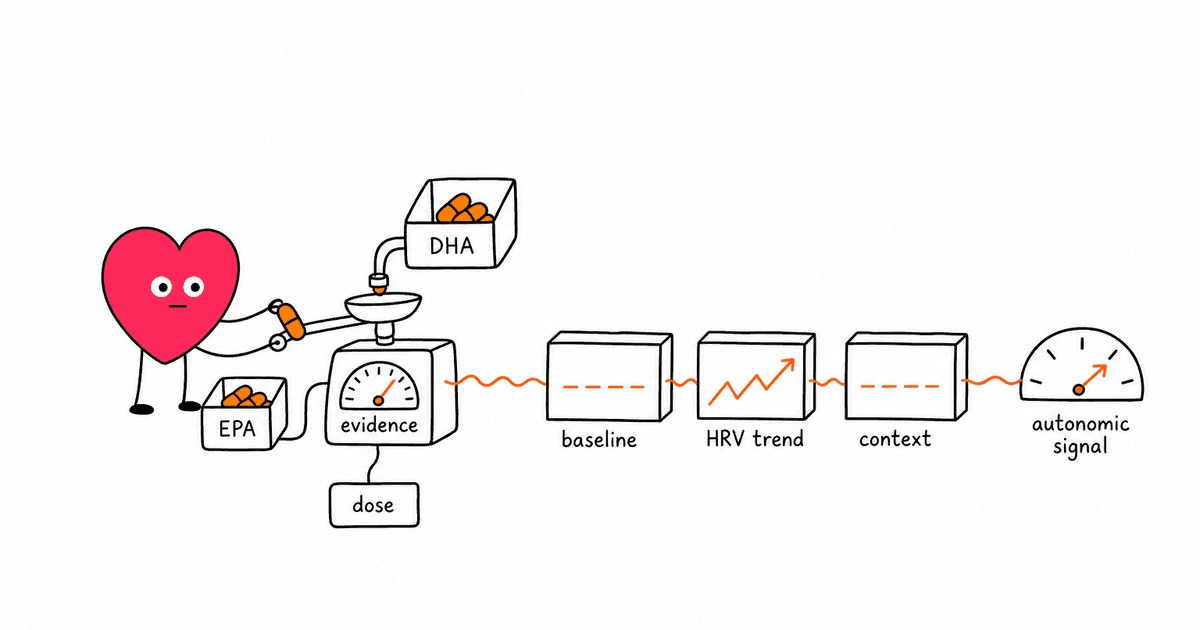
Omega-3 fatty acids are among the most studied nutrients for heart health. Here's what the research says about their impact on HRV and autonomic function.
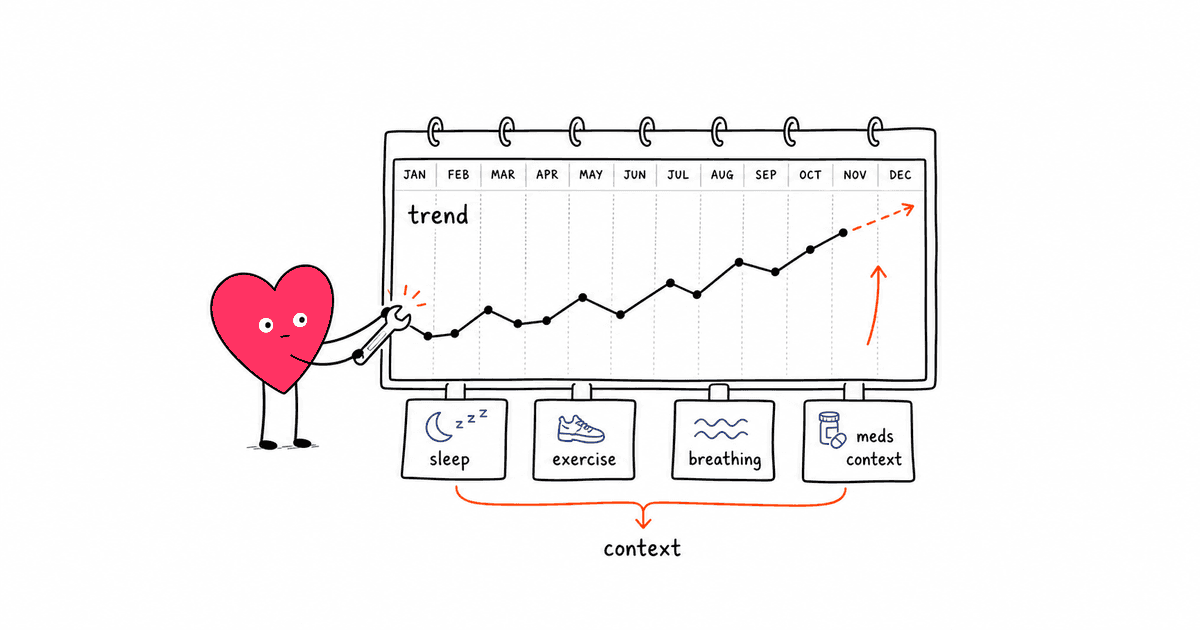
HRV naturally declines with age, but that doesn't mean you're powerless. Here's what the research says about maintaining autonomic health as you get older.
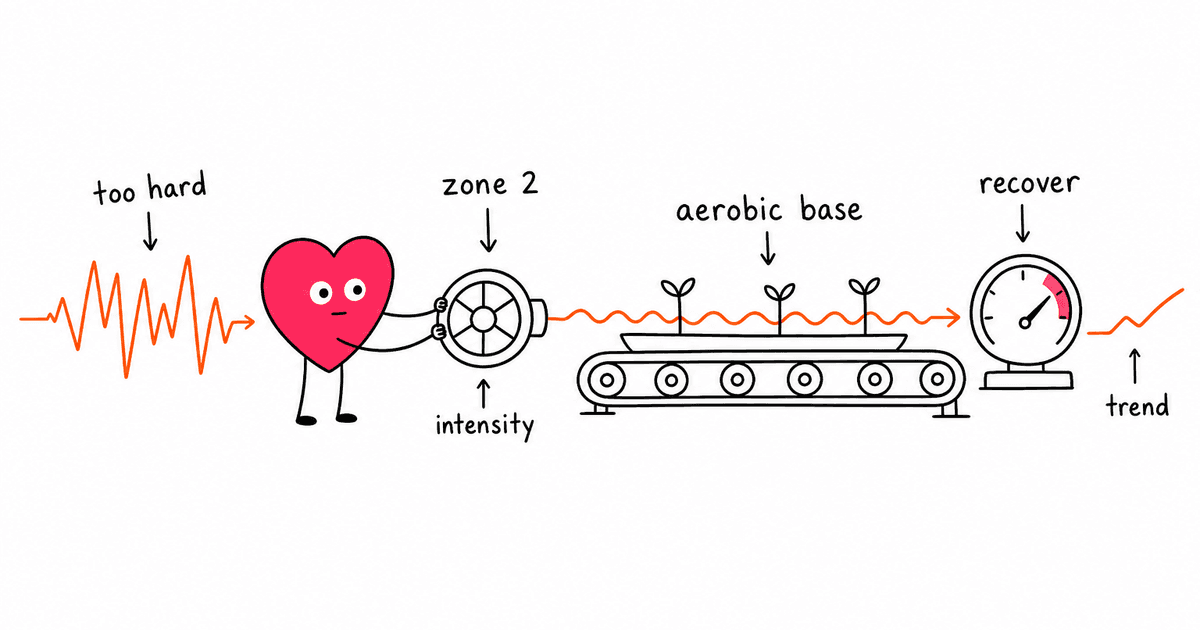
Discover why Zone 2 training is the key to improving your HRV, building aerobic fitness, and avoiding overtraining.
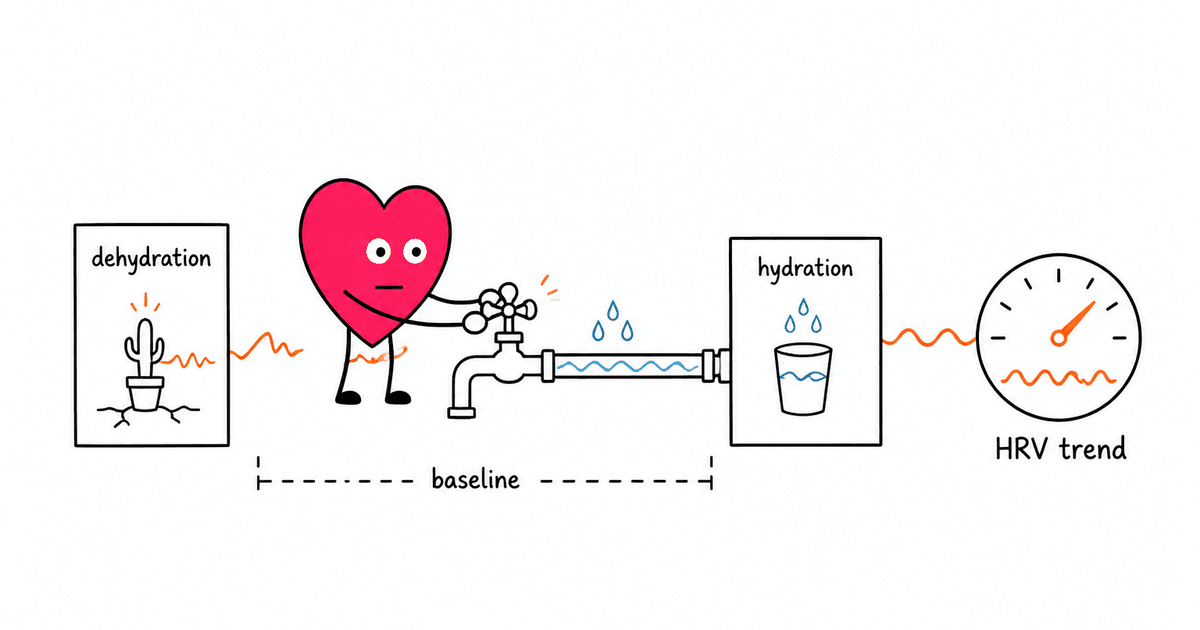
Discover the science behind how your hydration status affects HRV and what you can do to maintain optimal fluid balance for better recovery.
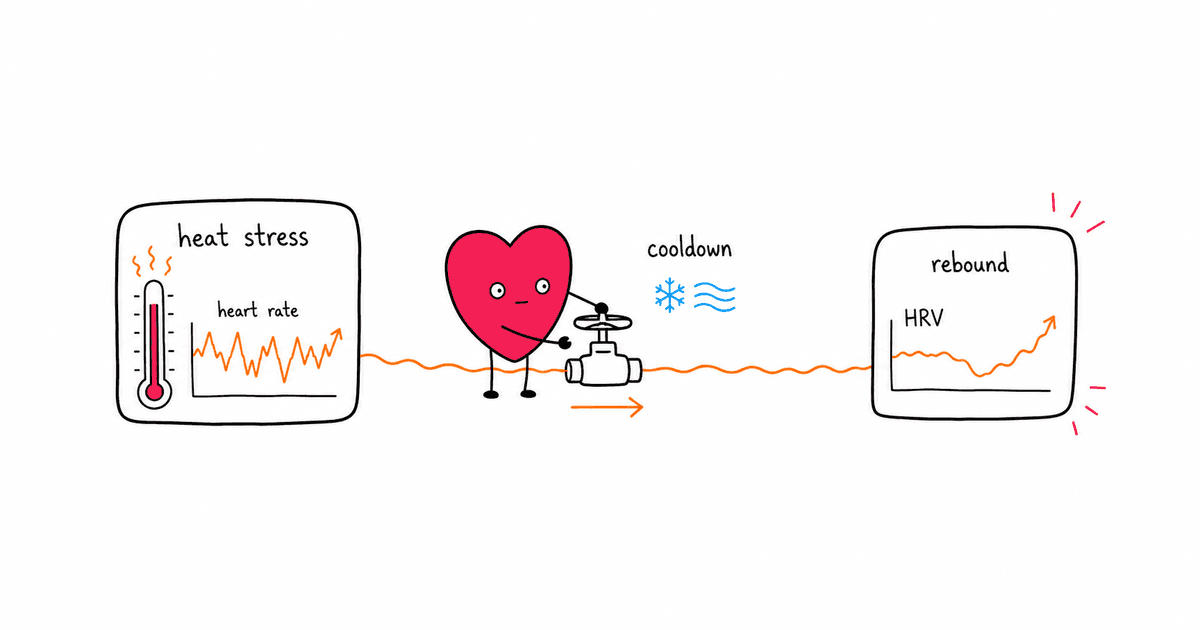
From Finnish traditions to modern research, sauna bathing offers measurable benefits for your autonomic nervous system. Here's what your HRV reveals about heat therapy.
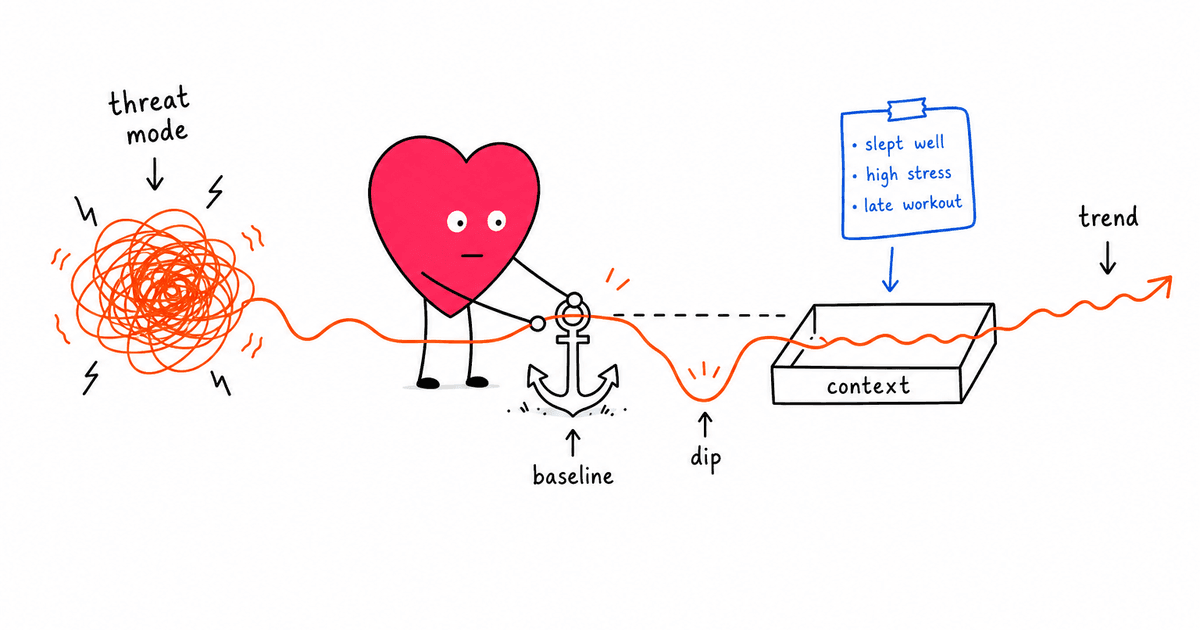
Anxiety disorders are associated with chronically low HRV. Understanding this connection can help you track your nervous system and take control of your mental health.
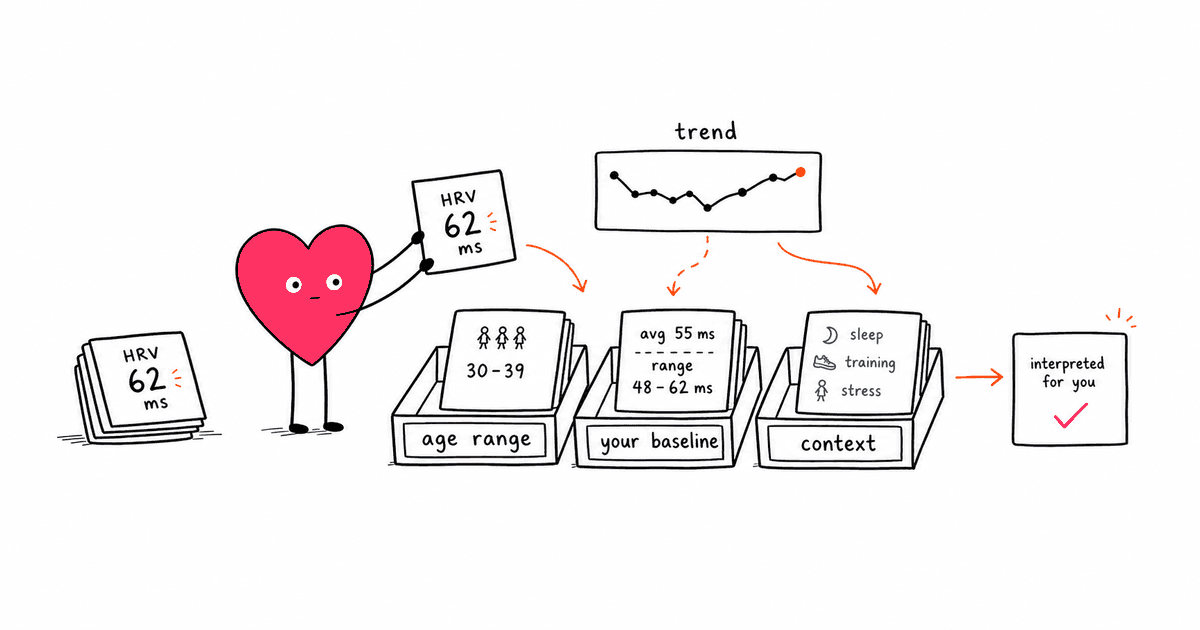
Your HRV device gives you numbers every day, but what do they actually mean? Here's how to interpret your data and use it to improve your health.
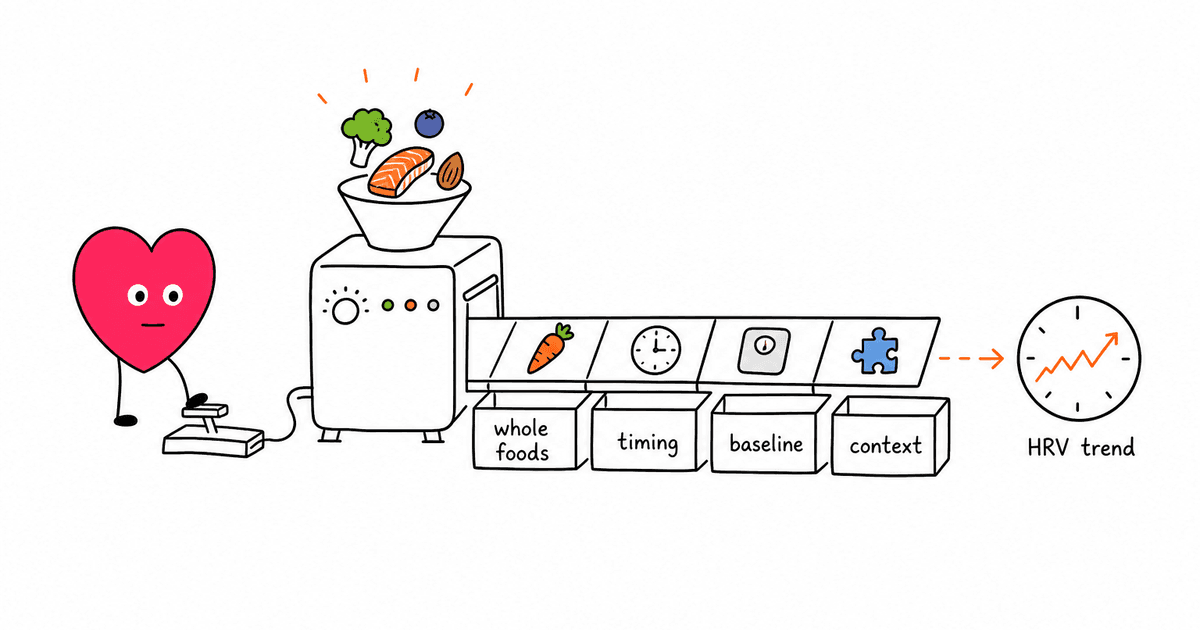
Your diet does more than fuel your body. It directly influences your autonomic nervous system. Here's what the research says about nutrition and HRV.
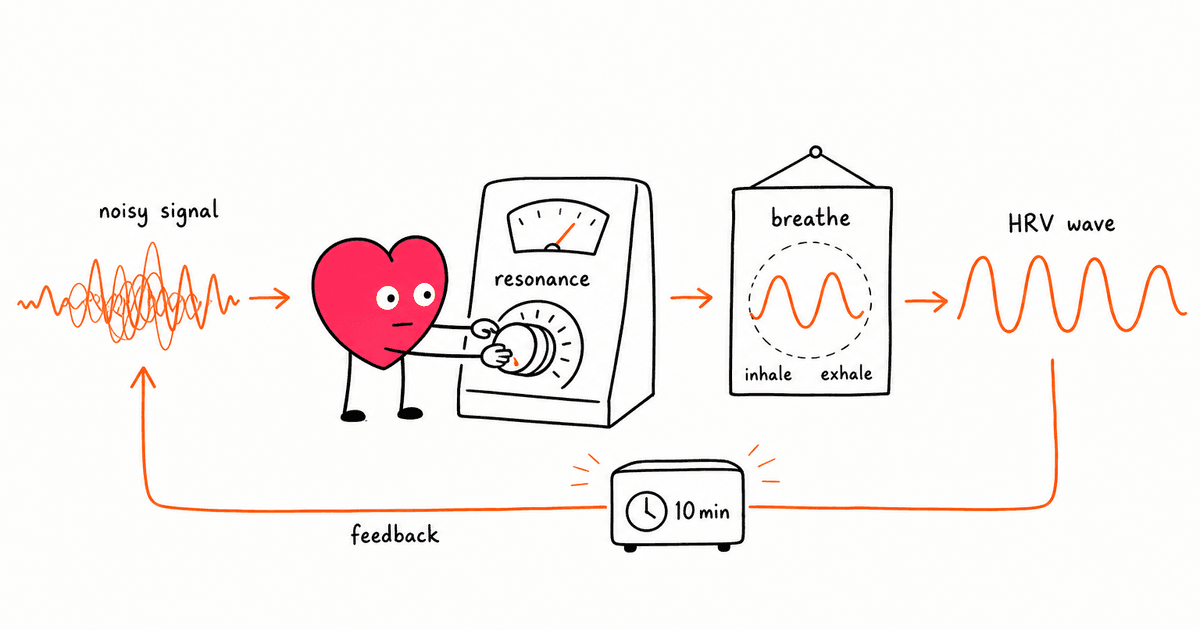
Learn how HRV biofeedback training can help you actively improve your heart rate variability and manage stress in real-time.
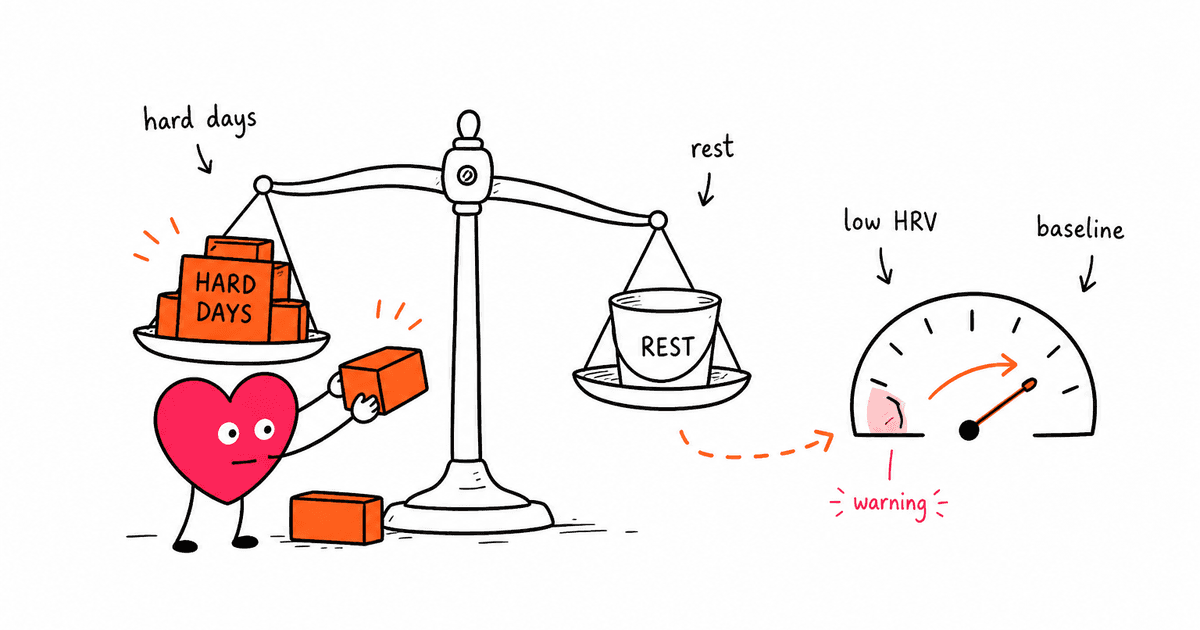
Discover how tracking your HRV can help you identify overtraining before it derails your fitness goals.
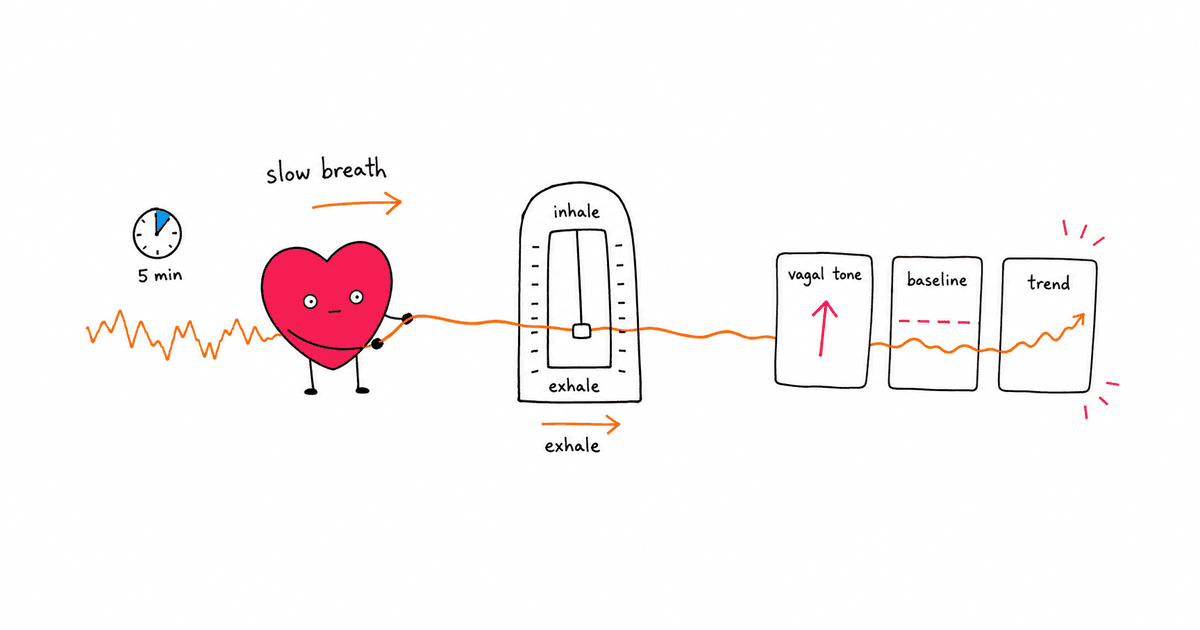
Research shows meditation can increase HRV in as little as 10 days. Here's the science behind it and practical techniques to get started.
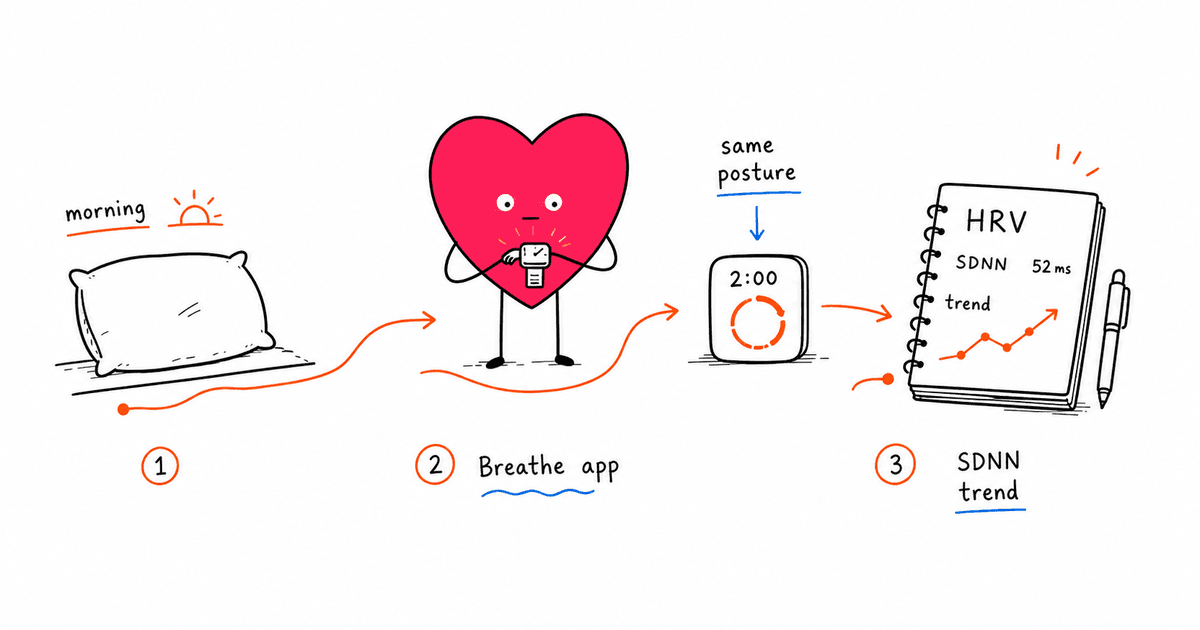
Apple Watch can track HRV, but the measurement routine matters. Here's how to get more useful heart rate variability trends from Apple Watch.
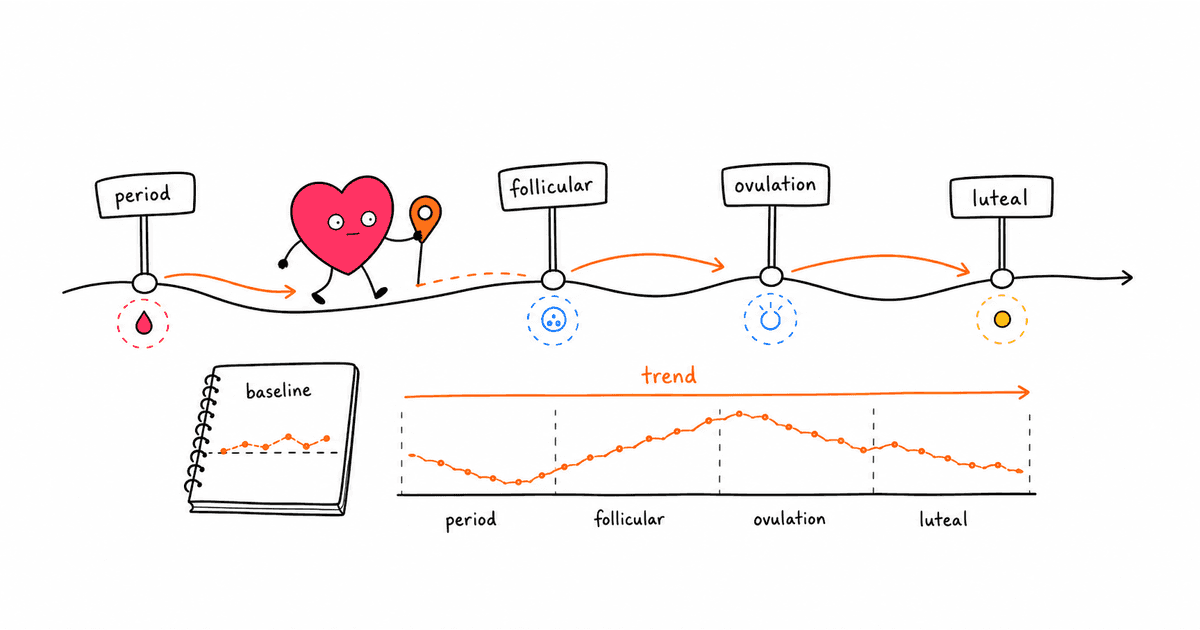
Your HRV naturally fluctuates throughout your menstrual cycle. Understanding why can help you interpret your data and optimize training and recovery.
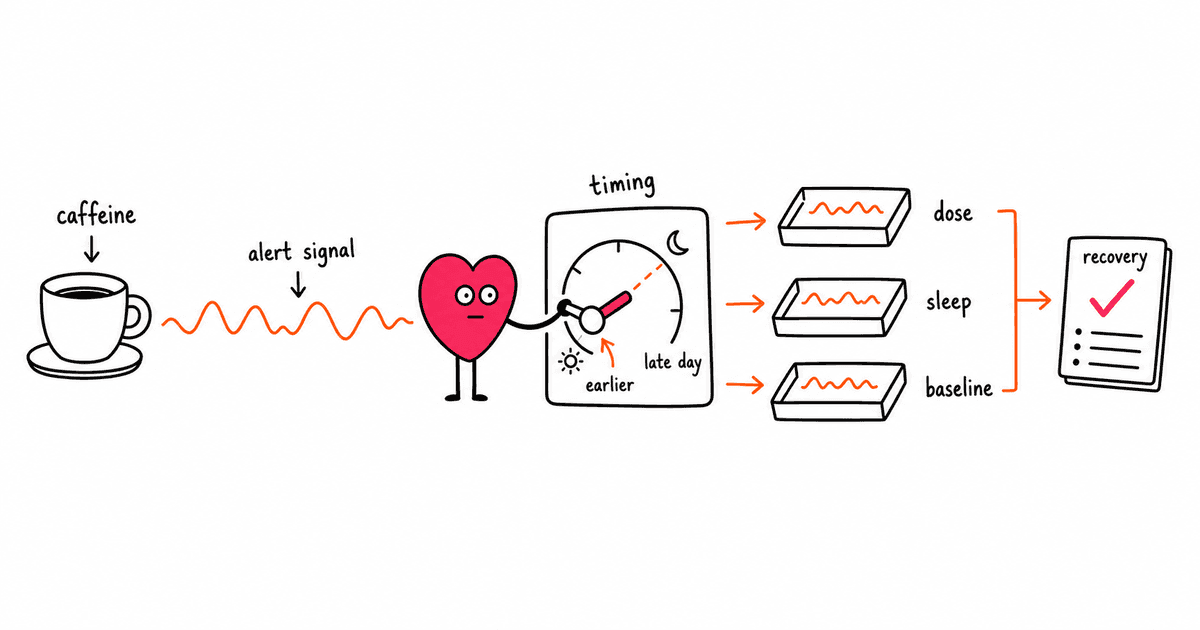
Caffeine is the world's most popular stimulant, but how does it affect your HRV? Research reveals surprising findings about coffee and autonomic function.
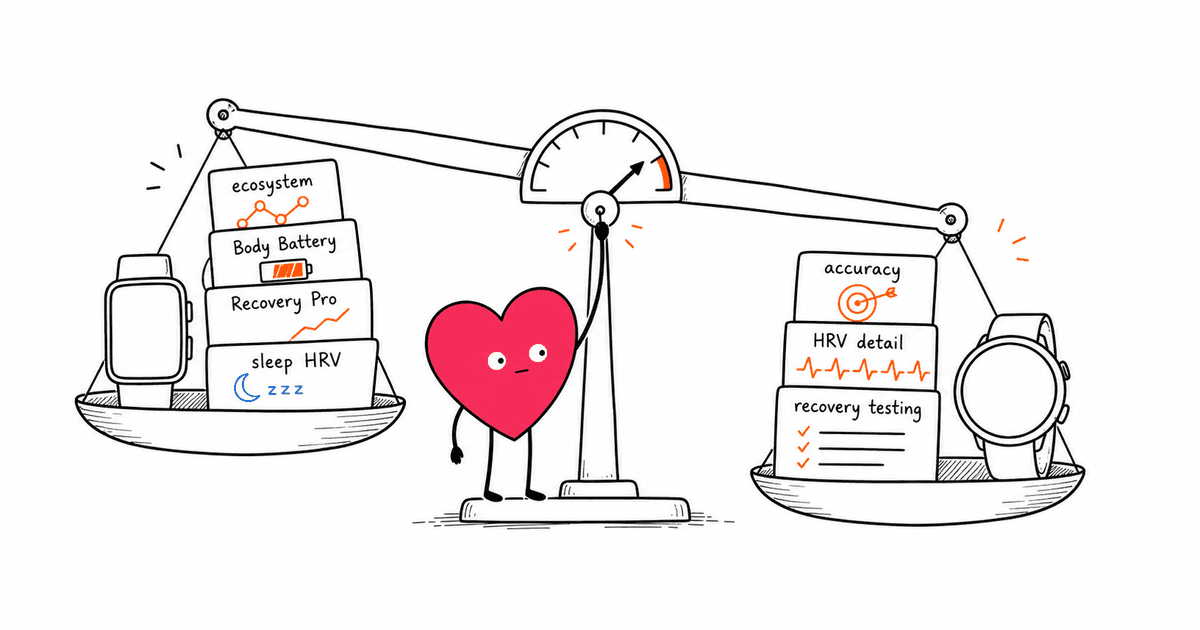
Garmin and Polar both offer excellent HRV tracking for athletes. We compare accuracy, features, and recovery insights to help you choose.
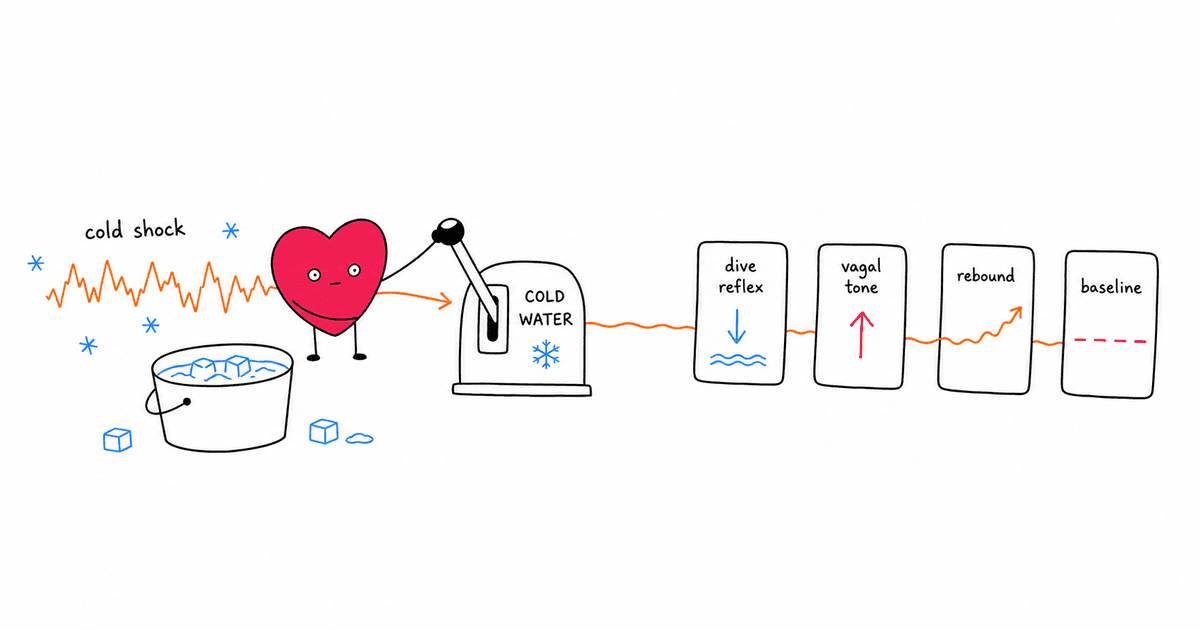
Cold plunges are everywhere, but do they actually improve your HRV? Here's what the research says about cold exposure and your autonomic nervous system.
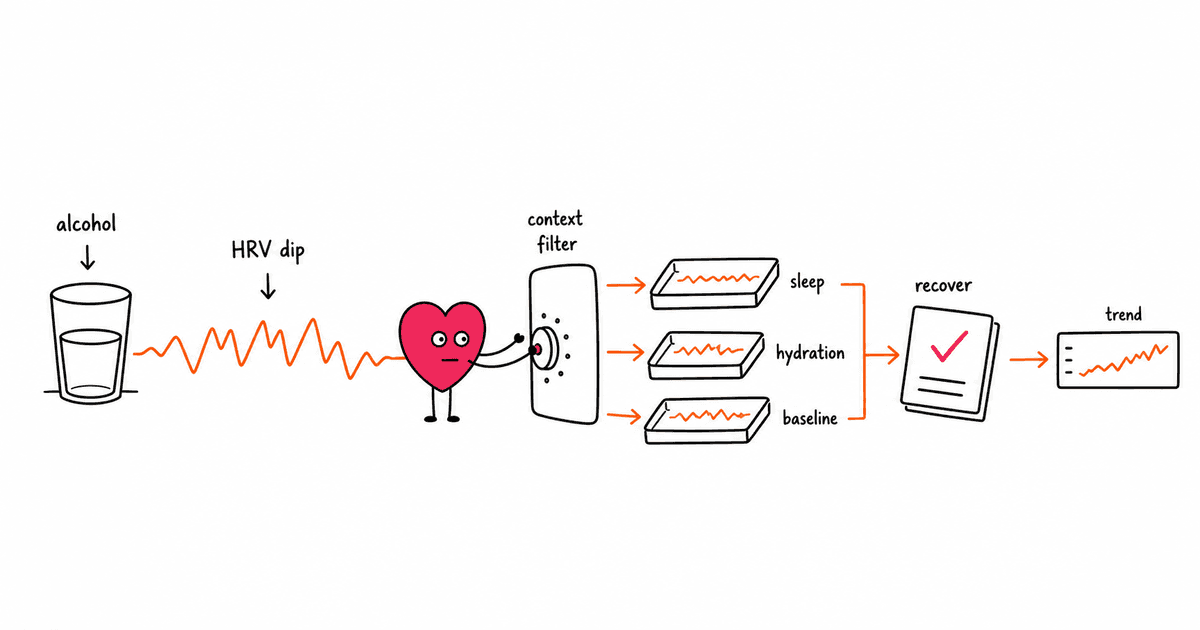
Ever noticed your HRV tank after a night out? Here's exactly what alcohol does to your heart rate variability and how long recovery takes.
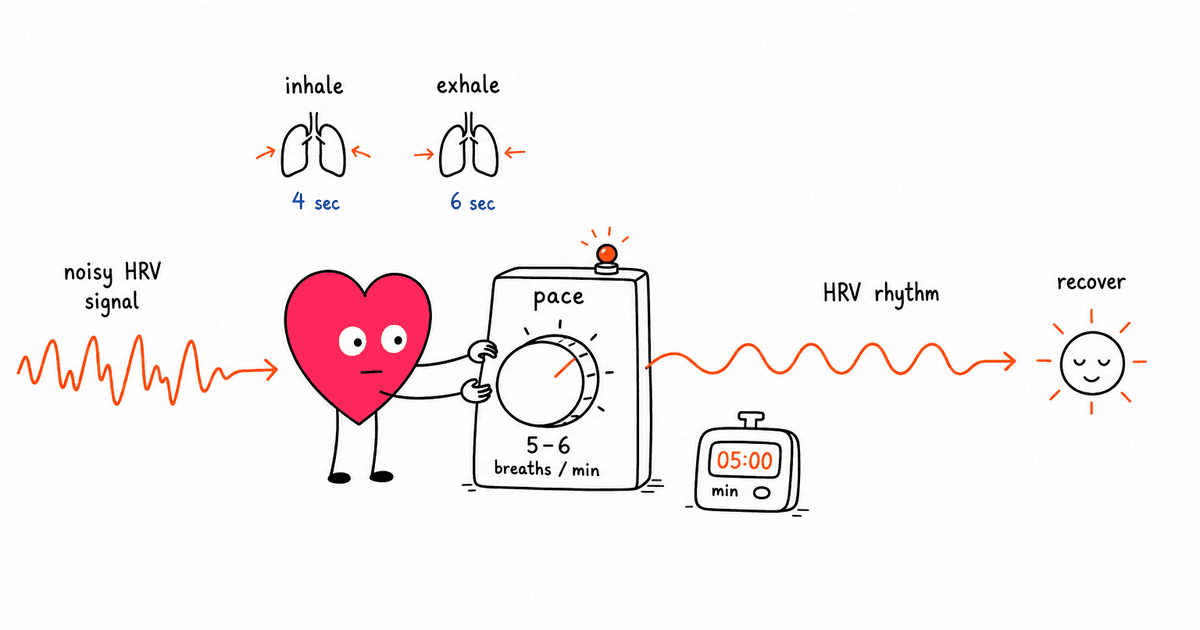
Discover the science-backed breathing techniques that can significantly improve your HRV. From resonance breathing to cyclic sighing, here's how to use your breath to optimize autonomic function.
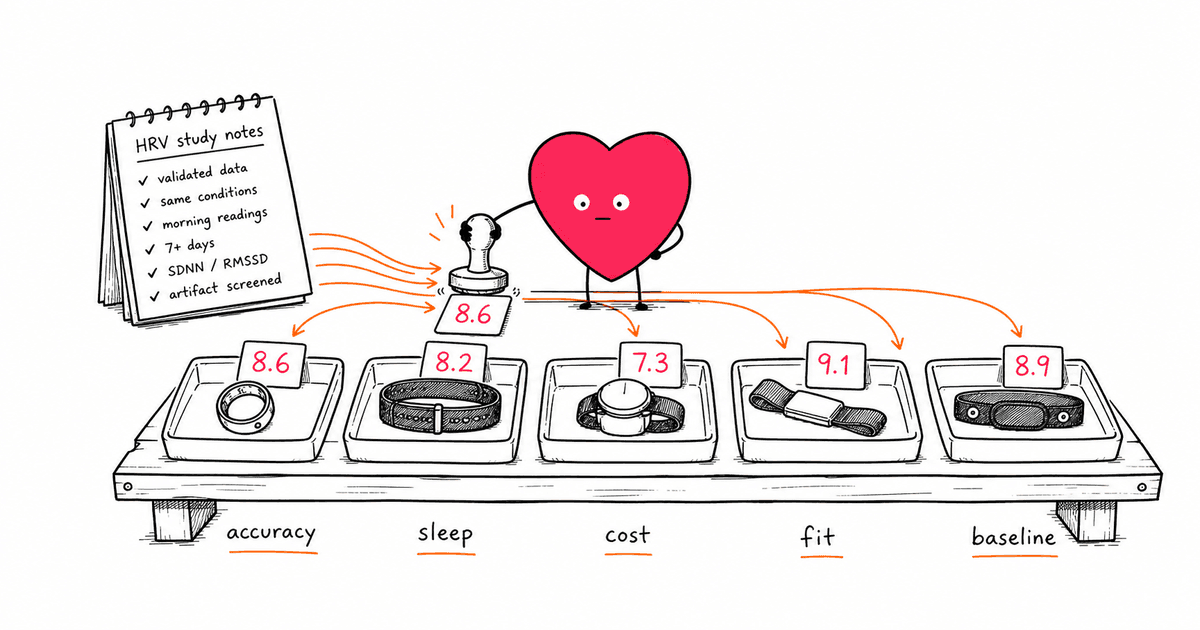
Independent research and current product evidence reveal which HRV monitors are strongest for recovery tracking in 2026.
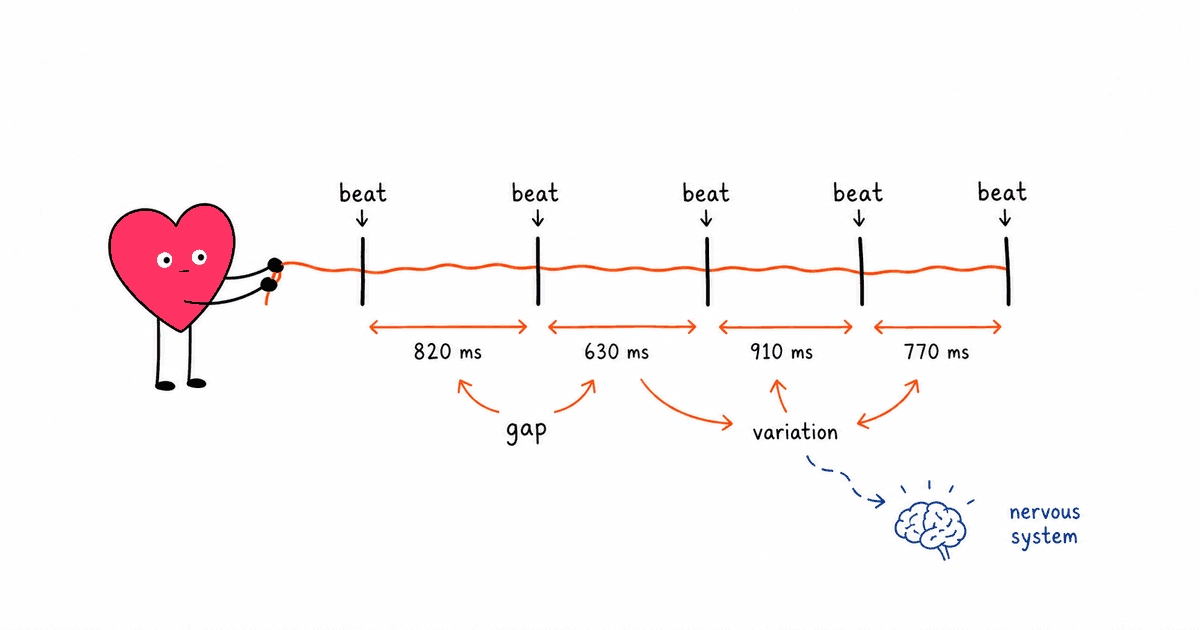
Heart rate variability might sound technical, but it's actually one of the simplest and most powerful ways to understand your body's overall health and stress levels.
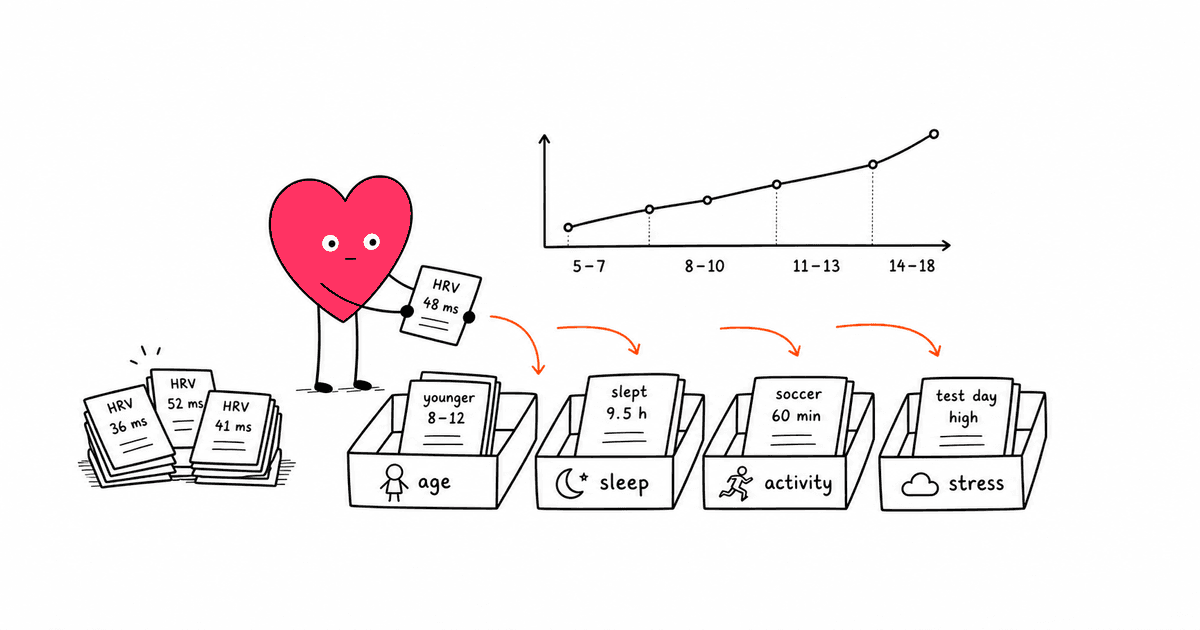
Children's HRV patterns differ significantly from adults. Here's what the research says about normal ranges, development, and what parents should understand.
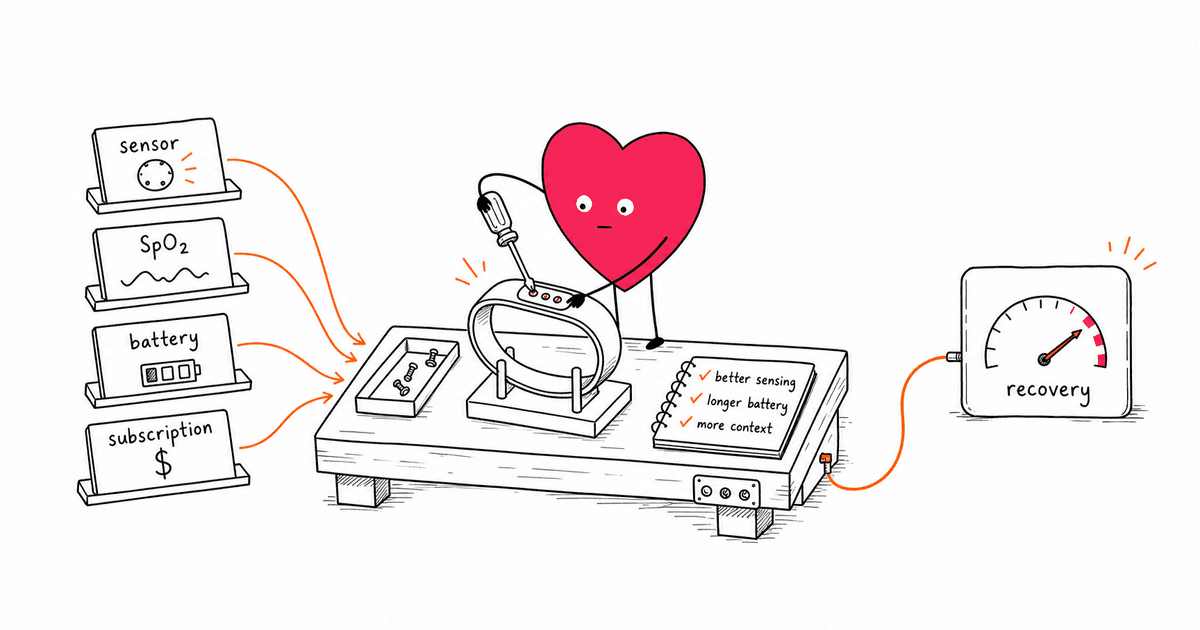
The Whoop 5.0 brings significant upgrades to the popular recovery-focused wearable. Our in-depth review covers all the new features and whether it's worth upgrading.
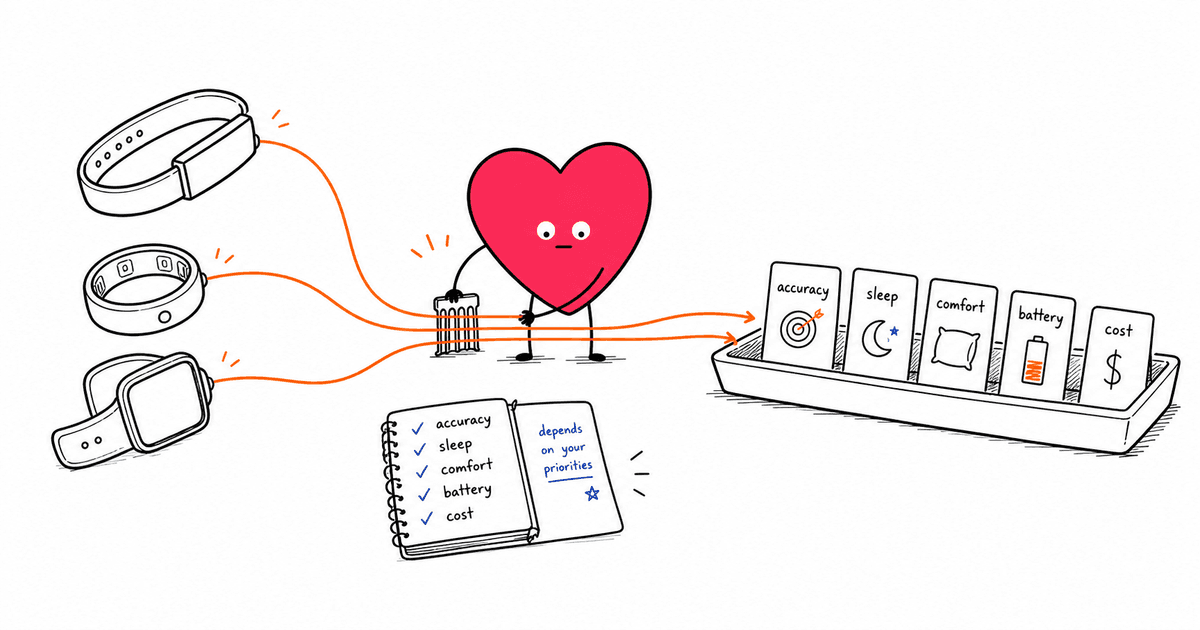
Whoop, Oura, and Apple Watch all track HRV, but they are not equally good at sleep, training, cost, or consistency. Here is the practical breakdown.
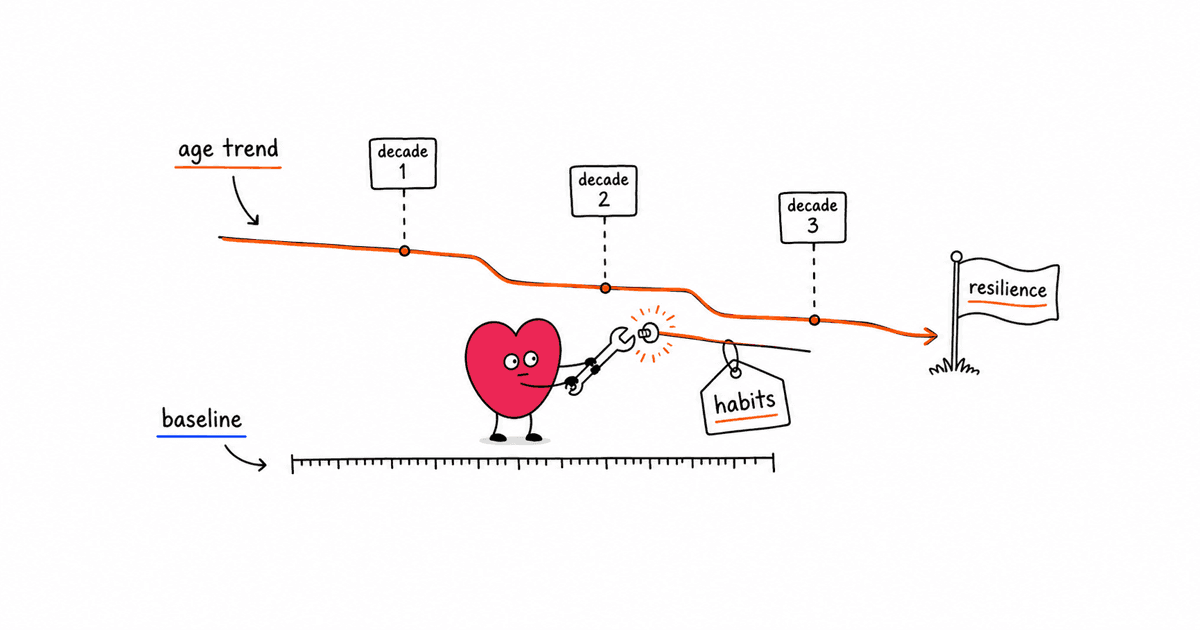
Discover how your heart rate variability might be one of the most important biomarkers for longevity and how improving it could add years to your life.
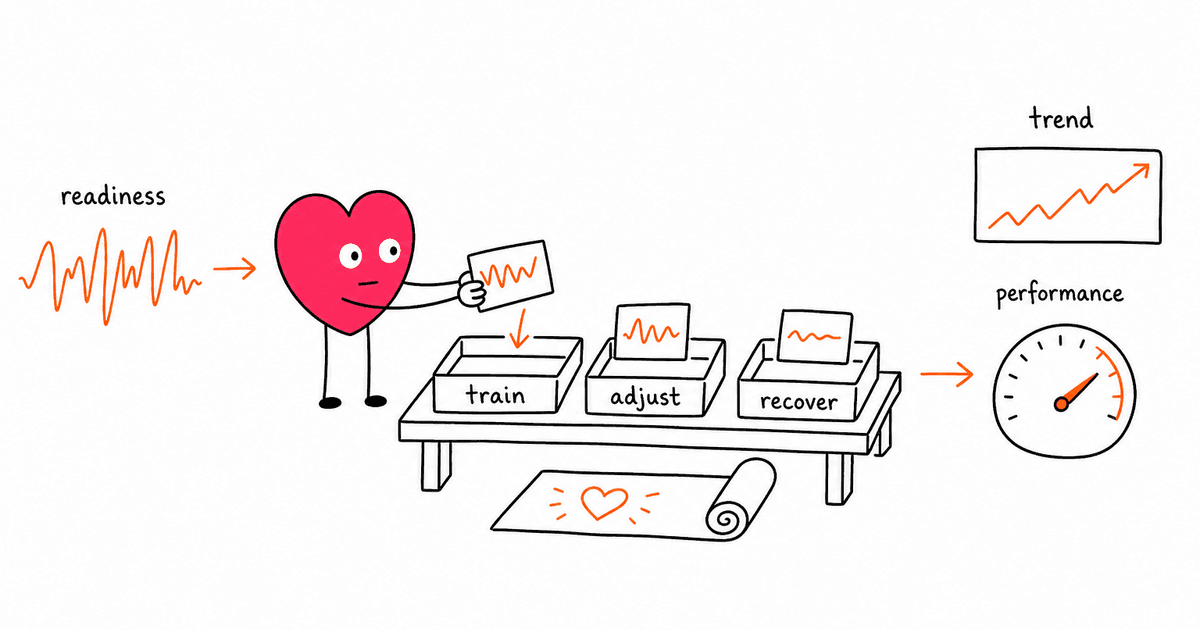
Discover how elite and recreational athletes are using HRV monitoring to make data-driven training decisions, prevent injuries, and maximize performance.
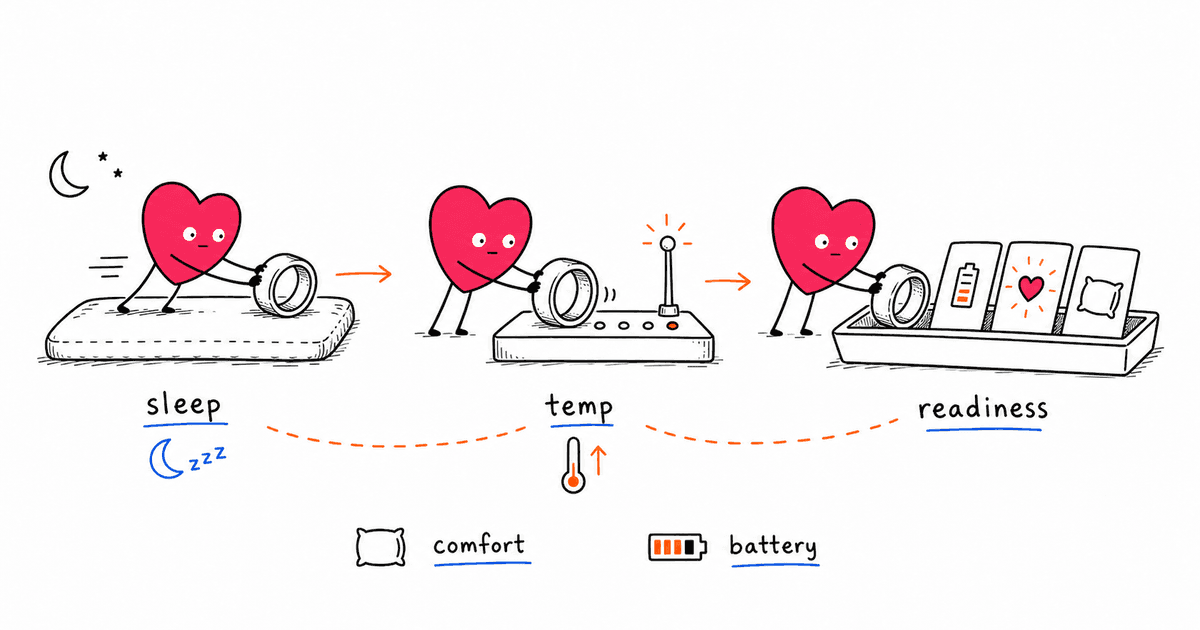
The Oura Ring 4 packs powerful health tracking into a sleek, comfortable ring. Our review covers everything from accuracy to battery life.
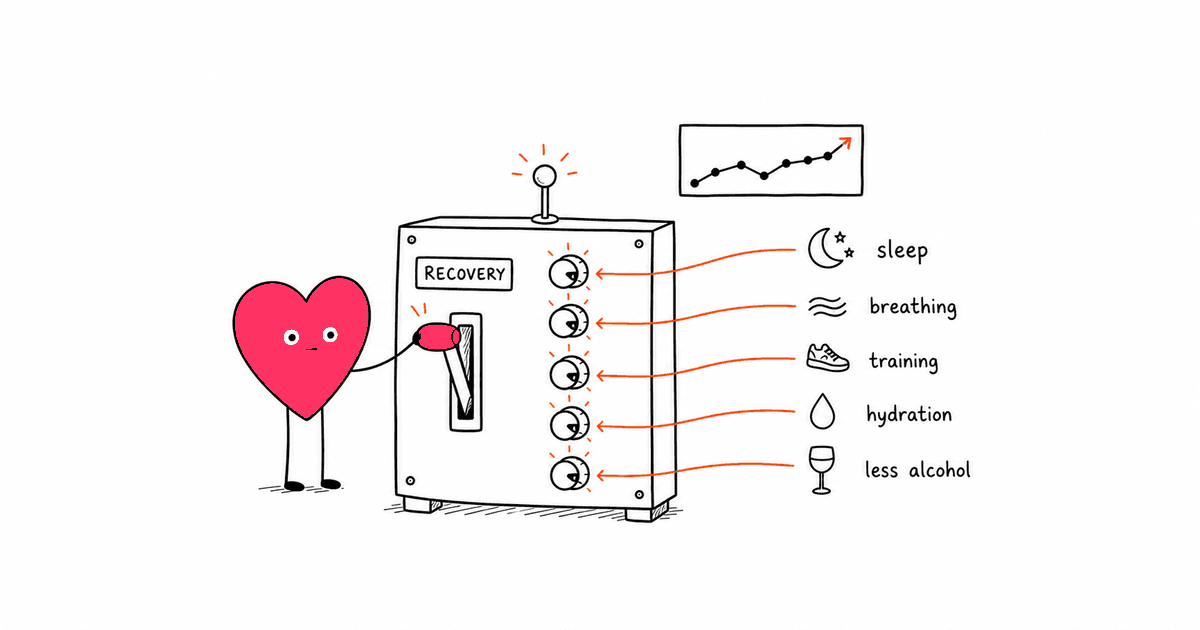
Sleep, aerobic exercise, stress control, hydration, and less alcohol are the habits most likely to improve HRV. Here are 10 strategies that actually help.
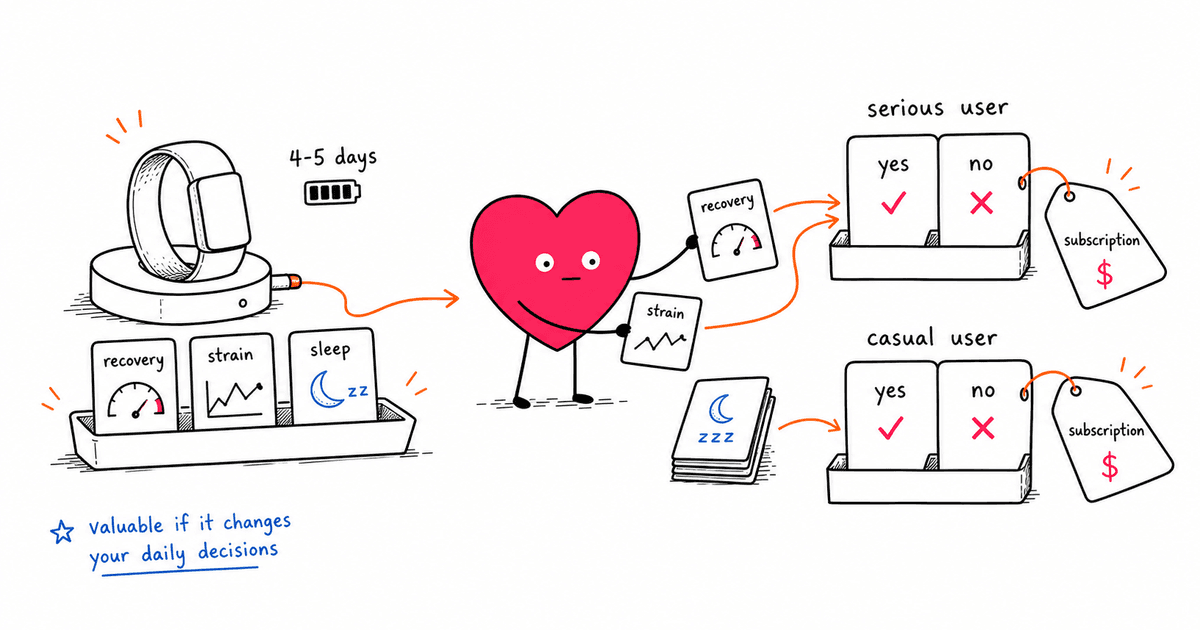
The Whoop 4.0 offers advanced health metrics in a subscription model. But is it worth the ongoing cost? Our detailed review has the answers.
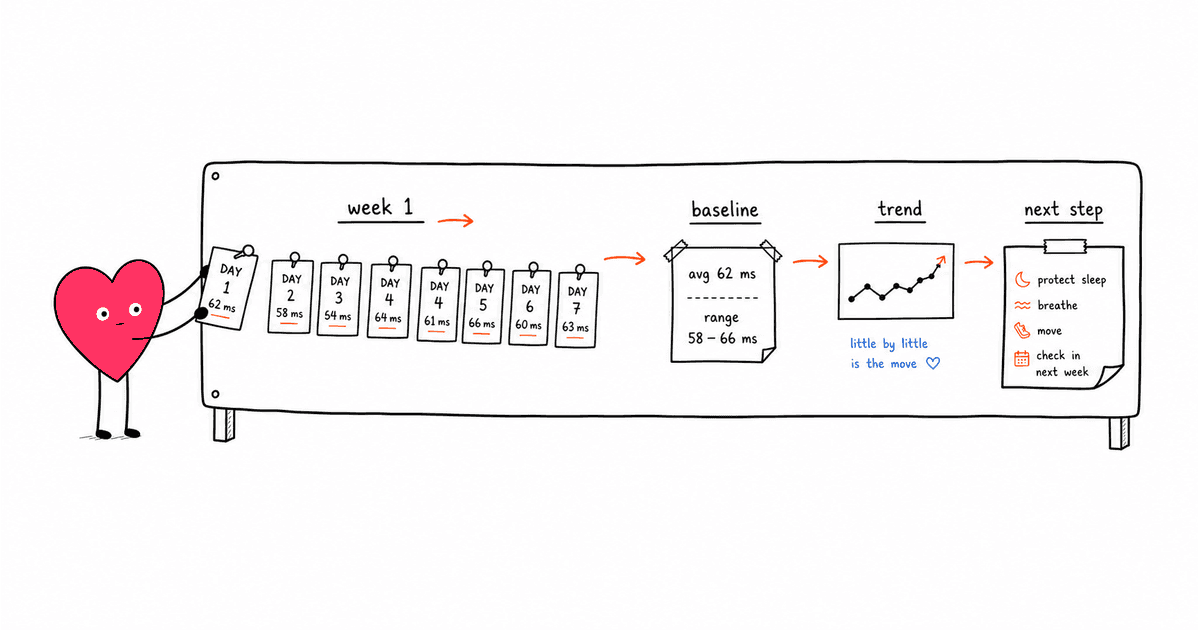
New to HRV monitoring? This comprehensive guide explains what HRV is, why it matters, and how to get started with tracking.
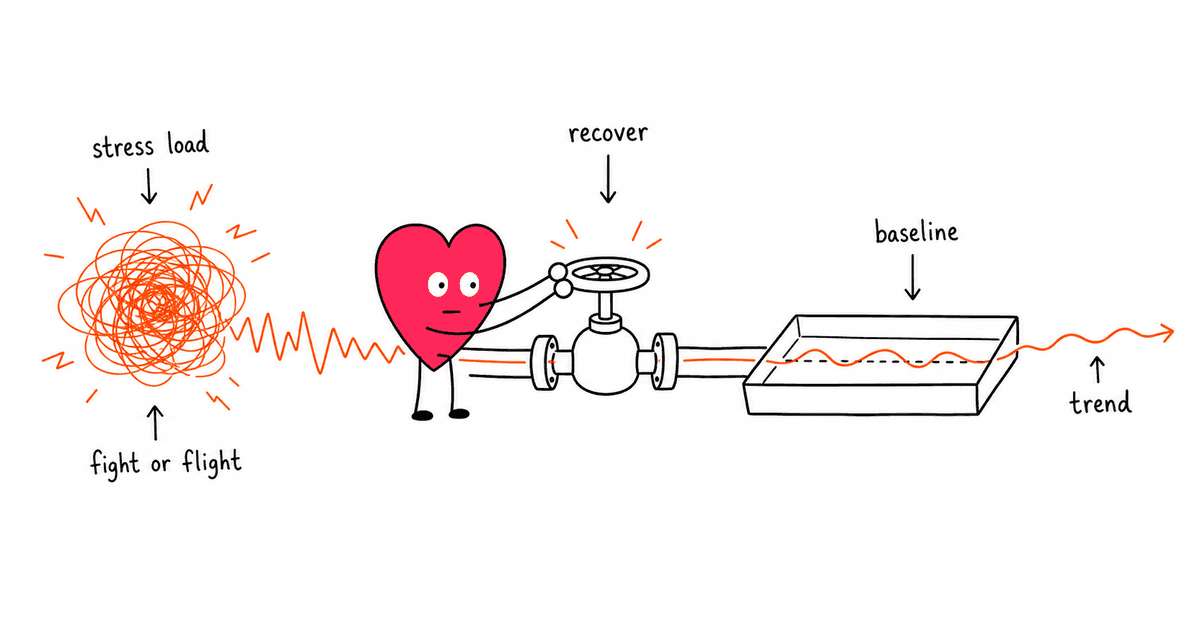
Stress pushes HRV down by keeping your body in fight-or-flight mode. Here is how to read the pattern and respond intelligently.
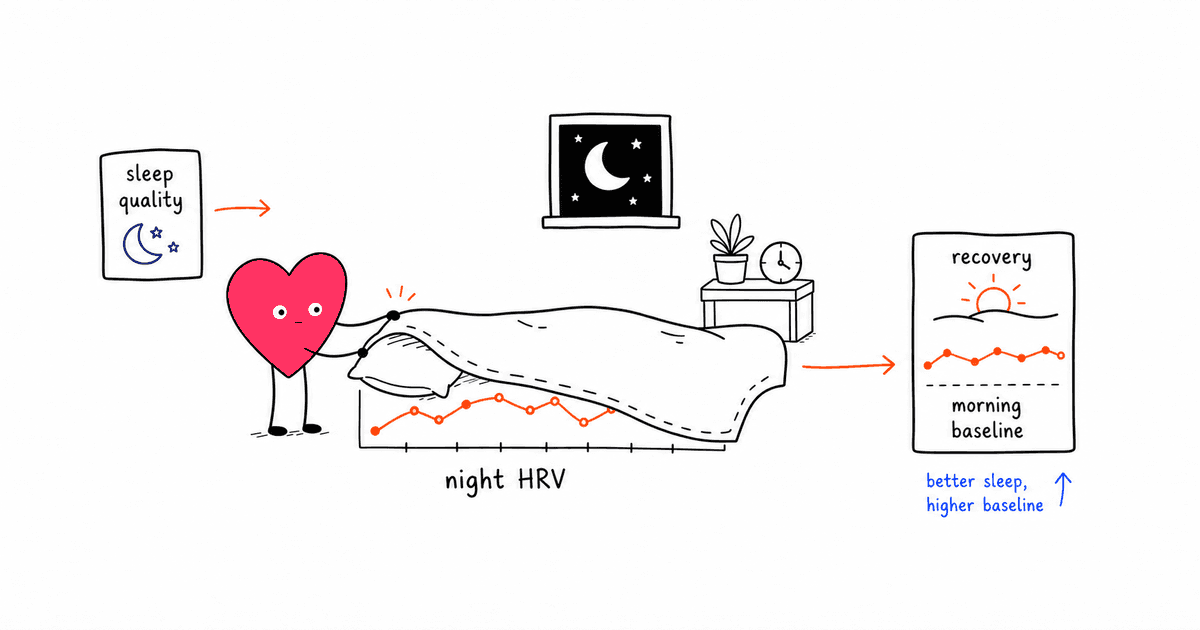
Discover how HRV and sleep quality are interconnected and how monitoring both can help you optimize your rest and recovery.
Showing 170 of 170 articles