HRV and Heart Disease: What Your Heart Rate Variability Reveals About Cardiovascular Risk
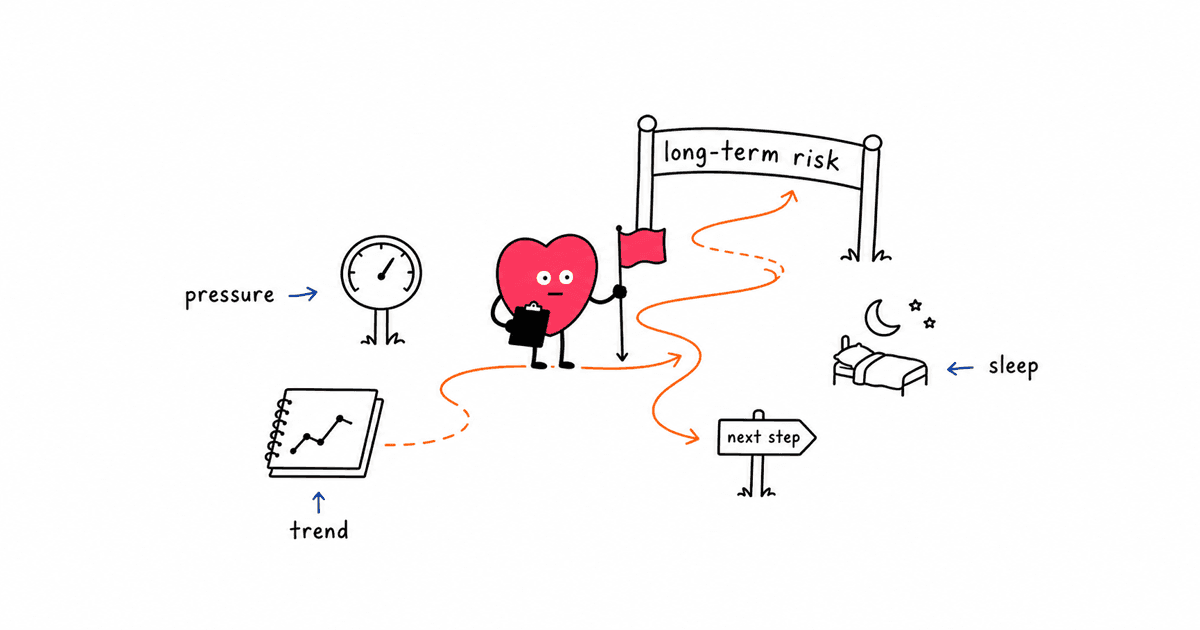
February is American Heart Month, and the timing couldn't be more relevant. According to the American Heart Association's 2026 Heart Disease and Stroke Statistics Update, heart disease remains the leading cause of death in the United States, claiming over 915,000 lives in 2023 alone. That's one death every 34 seconds.
But here's what most people don't realize: your heart rate variability (HRV) may be one of the earliest warning signs of cardiovascular trouble, often appearing years before a heart attack or stroke. If stroke recovery is already part of the picture, the separate guide to stroke recovery and HRV explains how autonomic disruption can persist after the event.
What Does HRV Have to Do With Heart Disease?
Heart rate variability reflects how well your autonomic nervous system regulates your heart, and decades of research show that reduced HRV is independently associated with a 1.5 to 2.3 times higher risk of major adverse cardiovascular events. This connection makes HRV one of the most promising non-invasive biomarkers in cardiovascular medicine.
Your heart doesn't beat like a metronome. The time between each beat varies slightly, and that variation (your HRV) reflects the balance between your sympathetic ("fight or flight") and parasympathetic ("rest and digest") nervous systems. When this balance shifts toward sympathetic dominance, as it does with chronic stress, poor sleep, or metabolic disease, your HRV drops.
For a deeper explanation of what HRV measures and why it matters, check out our beginner's guide to HRV.
The Research: Low HRV Predicts Heart Disease
The connection between HRV and cardiovascular disease isn't new, but the evidence continues to grow stronger.
The ARIC Study: Lifetime Risk
One of the largest studies on HRV and cardiovascular risk is the Atherosclerosis Risk in Communities (ARIC) Study, which followed 9,744 participants without baseline CVD for over 192,000 person-years. The findings were striking:
- Women in the lowest tertile of SDNN (overall HRV) had a 39.4% lifetime CVD risk compared to 29.9% for those in the highest tertile
- Men in the lowest LF/HF ratio tertile had a 51.3% lifetime CVD risk versus 43.9% for those in the highest tertile
- These associations held even after adjusting for traditional risk factors like blood pressure, cholesterol, and diabetes
In practical terms, people with the lowest HRV had roughly a 10 percentage point higher lifetime risk of developing heart disease, heart failure, or stroke.
Meta-Analyses Confirm the Pattern
A comprehensive meta-analysis published in Neuroscience & Biobehavioral Reviews examined eight different HRV parameters across healthy and patient populations. The consistent finding: lower HRV values predicted both all-cause mortality and cardiac mortality.
More recently, a 2025 review in Frontiers in Cardiovascular Medicine found that SDNN values below 70 ms or LF/HF ratios above 2.5 were associated with a 1.5 to 2.3 times higher risk of major adverse cardiovascular events (MACE), including heart attack, stroke, and cardiac death.
Post-Heart Attack Recovery
For people who have already had a heart attack, HRV becomes even more important. Research shows that HRV measured after a myocardial infarction correlates with infarct severity and left ventricular function. Patients with lower HRV after a heart attack face a significantly higher risk of:
- Recurrent myocardial infarction
- Ventricular arrhythmias
- Sudden cardiac death
This is why cardiologists increasingly use HRV monitoring as part of post-cardiac event recovery programs.
How Low HRV Contributes to Heart Disease
The relationship between low HRV and heart disease isn't just correlational. There are several well-understood mechanisms connecting the two.
1. Chronic Sympathetic Overdrive
When your sympathetic nervous system stays activated for too long, it creates a cascade of problems:
- Elevated resting heart rate, which increases cardiac workload
- Higher blood pressure, which damages arterial walls over time
- Increased inflammation, which accelerates plaque buildup in arteries
- Greater platelet reactivity, raising the risk of blood clots
All of these factors contribute to atherosclerosis, the primary driver of coronary heart disease. They also overlap with the vascular-aging pattern covered in arterial stiffness and HRV, where blood pressure load, vessel elasticity, and autonomic regulation all interact.
2. Reduced Vagal Protection
Your vagus nerve acts as a brake on your heart. Strong vagal tone (reflected in higher HRV) protects against dangerous heart rhythms and helps your heart recover quickly from stress. When vagal tone drops, you lose this protective effect.
Research shows that the "cholinergic anti-inflammatory pathway," mediated by the vagus nerve, helps regulate systemic inflammation. Reduced vagal activity means less control over inflammatory responses, which directly contributes to cardiovascular damage.
3. Blood Pressure Dysregulation
Poor autonomic balance disrupts blood pressure regulation. The baroreflex, your body's primary blood pressure feedback mechanism, relies on healthy autonomic function. When HRV is low, baroreflex sensitivity tends to be impaired, leading to greater blood pressure variability and sustained hypertension.
If you want to understand how stress specifically affects this system, our article on HRV and stress covers the autonomic mechanisms in detail.
Who Is Most at Risk?
While low HRV is concerning at any age, certain groups face higher cardiovascular risk from autonomic dysfunction.
People With Metabolic Conditions
Diabetes, obesity, and metabolic syndrome are all associated with reduced HRV. The ARIC study found that after adjusting for these conditions, HRV still independently predicted cardiovascular events, but the combination of metabolic disease plus low HRV dramatically increases risk. In men, new or worsening erectile dysfunction and low HRV can also point toward shared vascular, metabolic, and autonomic strain.
Older Adults
HRV naturally declines with age, but the rate of decline matters. Rapid decreases in HRV in middle age and beyond may signal accelerating cardiovascular risk. Our guide on HRV for seniors covers age-related changes in detail.
People With Chronic Stress or Anxiety
Chronic psychological stress suppresses vagal tone and keeps the sympathetic nervous system elevated. The American Heart Association's 2025 research highlights specifically noted that circadian misalignment of the sleep-wake cycle was linked to lower overall HRV, indicating worse heart health.
For more on this connection, see our article on HRV and anxiety.
Sedentary Individuals
Physical inactivity is both a traditional cardiovascular risk factor and a driver of low HRV. Regular exercise is one of the most effective ways to improve both.
What You Can Do: Improving HRV for Heart Health
The encouraging news is that HRV is modifiable. Unlike genetic risk factors, you can take concrete steps to improve your autonomic balance.
Exercise Regularly
Consistent aerobic exercise is the most evidence-backed way to improve HRV. Zone 2 training, in particular, has been shown to strengthen parasympathetic tone and improve cardiovascular fitness over time. Aim for at least 150 minutes of moderate-intensity activity per week, as recommended by the American Heart Association.
Prioritize Sleep
Poor sleep quality devastates HRV. Research consistently shows that 7 to 9 hours of quality sleep supports healthy autonomic function. Untreated sleep apnea is a particularly significant risk factor, as it causes repeated sympathetic surges throughout the night that suppress HRV and increase cardiovascular strain. Learn more about the relationship in our guide on HRV and sleep.
Practice Stress Management
Techniques that activate the parasympathetic nervous system can measurably improve HRV:
- Breathing exercises: Slow, diaphragmatic breathing at about 6 breaths per minute stimulates the vagus nerve
- Meditation: Regular practice increases baseline vagal tone
- HRV biofeedback: Targeted training to improve autonomic balance
Address Lifestyle Factors
Several lifestyle factors directly impact both HRV and cardiovascular risk:
- Quit smoking and nicotine: Nicotine in any form suppresses HRV and increases cardiovascular risk through chronic sympathetic activation (smoking, nicotine, and HRV)
- Limit alcohol: Even moderate drinking reduces HRV for 24 to 72 hours (alcohol and HRV)
- Watch caffeine timing: Late-day caffeine disrupts sleep and suppresses overnight HRV recovery (caffeine and HRV)
- Stay hydrated: Dehydration shifts autonomic balance toward sympathetic dominance (hydration and HRV)
- Eat well: Anti-inflammatory diets rich in omega-3 fatty acids support autonomic health (nutrition and HRV)
- Reduce avoidable environmental strain: Poor air quality and some environmental exposures can add cardiovascular and autonomic load over time (air quality and HRV, lead exposure and HRV, PFAS and HRV)
For a complete overview of evidence-backed strategies, see our comprehensive guide on how to improve your HRV.
Track Your HRV to Monitor Heart Health
If you're serious about using HRV as a cardiovascular health marker, consistent daily tracking is essential. Modern wearables make this accessible:
- Oura Ring 4: Excellent for overnight HRV tracking with minimal disruption to sleep
- Whoop 5: Continuous HRV monitoring with detailed recovery metrics
- Apple Watch Series 11: Convenient for people already in the Apple ecosystem
- Garmin Forerunner 265: Strong option for athletes who want HRV alongside training metrics
For help choosing the right device, check out our best HRV monitors for 2026 guide.
What Numbers Should You Watch?
While HRV is highly individual, research points to some general benchmarks worth noting:
| HRV Metric | Concerning Level | What It Suggests |
|---|---|---|
| SDNN | Below 70 ms | Elevated cardiovascular risk |
| RMSSD | Consistently declining | Reduced vagal tone |
| LF/HF Ratio | Above 2.5 | Sympathetic overdrive |
The most important thing to track isn't a single number but your personal trend over weeks and months. A sustained downward trend in HRV, especially without an obvious cause like increased training load, deserves attention.
For help interpreting your data, see our guide on understanding your HRV numbers.
When to Talk to Your Doctor
HRV monitoring is a wellness tool, not a diagnostic device. However, you should consult a healthcare provider if:
- Your HRV has been consistently low or declining for several weeks without explanation
- You have existing cardiovascular risk factors (high blood pressure, diabetes, family history) combined with low HRV
- You experience symptoms like chest discomfort, shortness of breath, or irregular heartbeat alongside HRV changes
HRV data can be a valuable conversation starter with your doctor, especially during routine cardiovascular screenings.
The Bottom Line
Heart disease remains the leading cause of death worldwide, and your heart rate variability offers a window into your cardiovascular risk that traditional metrics like blood pressure and cholesterol alone cannot provide. Research spanning decades and hundreds of thousands of participants consistently shows that lower HRV is associated with higher cardiovascular risk.
The good news: HRV is responsive to lifestyle changes. Regular exercise, quality sleep, stress management, and healthy habits can all improve your autonomic balance, and potentially reduce your long-term risk of heart disease.
This Heart Month, consider adding HRV tracking to your cardiovascular health toolkit. It might be the earliest warning system you have.
Frequently Asked Questions
Can HRV predict a heart attack?
HRV alone cannot predict a specific heart attack, but research consistently shows that low HRV is associated with a higher risk of cardiovascular events over time. It's best used as one indicator among many, alongside blood pressure, cholesterol, and other established risk factors.
What is a dangerous HRV level?
There's no universal "dangerous" HRV number because values vary significantly by age, fitness level, and individual physiology. However, research suggests that SDNN values consistently below 70 ms may indicate elevated cardiovascular risk and warrant a conversation with your doctor.
Does improving HRV actually reduce heart disease risk?
While no study has definitively proven that increasing HRV directly prevents heart disease, the interventions that improve HRV (exercise, stress reduction, better sleep) are the same lifestyle changes proven to reduce cardiovascular risk. Improving your HRV is a strong indicator that your overall cardiovascular health is moving in the right direction.
How often should I check my HRV for heart health?
Daily morning measurements provide the most useful data. Overnight readings from wearables are ideal because they capture your HRV during rest, removing the noise of daily activities. Look at 7-day and 30-day trends rather than individual readings.
Is HRV more useful than blood pressure for predicting heart disease?
They measure different things and are most useful together. Blood pressure reflects the mechanical stress on your arteries, while HRV reflects your autonomic nervous system's ability to regulate cardiovascular function. Research suggests HRV adds predictive value beyond traditional risk factors, not that it should replace them.
Need a quick read on your HRV number first?
Enter your HRV value, age range, device, and recovery context for a plain-English interpretation before you decide what to do next.
Interpret Your HRV NumberBuild the 30-day plan