How Nutrition Affects Your HRV: The Diet-Heart Connection
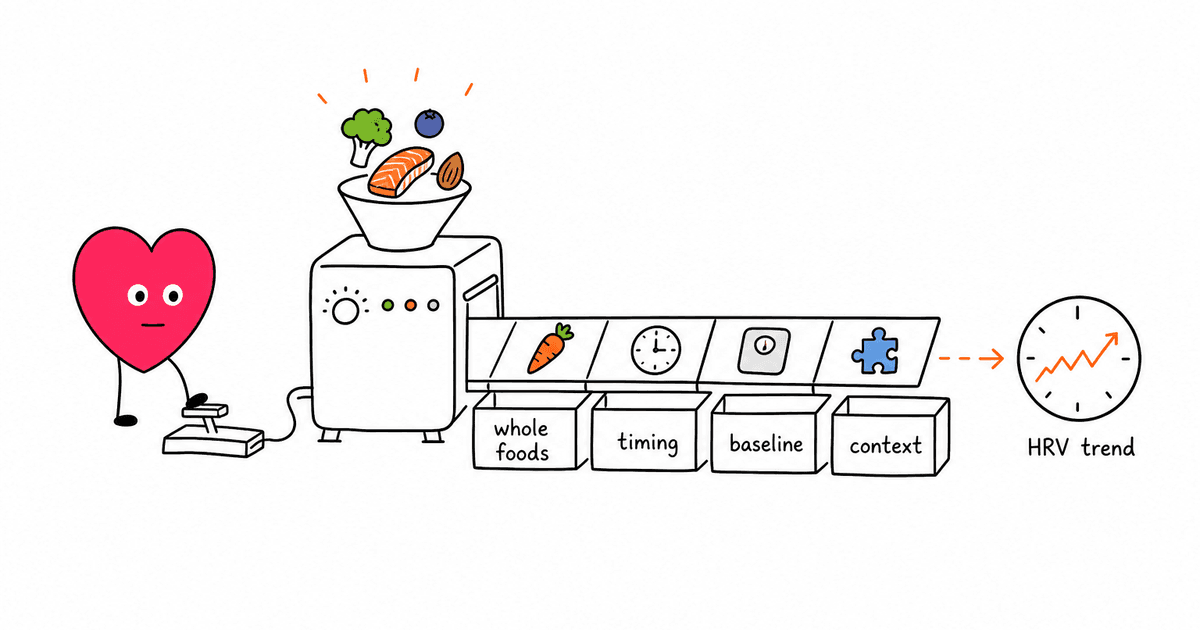
Trying to decode today's HRV number? Use the free interpreter first, then build a practical recovery plan. Interpret your HRV
What you eat doesn't just affect your waistline or energy levels. It directly influences your autonomic nervous system and, consequently, your heart rate variability. Research shows that dietary choices can either support or undermine your body's stress resilience, recovery capacity, and overall cardiovascular health.
If you're new to HRV tracking, start with our guide on what HRV is and why it matters. In this article, we'll explore the fascinating connection between nutrition and heart rate variability, backed by current research.
How Diet Influences HRV
Your diet affects HRV through multiple pathways: inflammation, gut microbiome health, blood sugar regulation, and direct effects on the vagus nerve. Anti-inflammatory foods tend to support higher HRV, while processed foods and excessive sugar are associated with lower readings.
The autonomic nervous system responds to what you eat in both acute (meal-to-meal) and chronic (long-term dietary pattern) ways. A 2025 review in Frontiers in Neuroscience found that specific nutrients, including omega-3 fatty acids, vitamin B12, and certain probiotics, can meaningfully modulate HRV over time.
Foods That Support Higher HRV
Omega-3 Rich Foods
Omega-3 fatty acids are among the most well-researched nutrients for HRV improvement. Multiple studies show that higher omega-3 intake is associated with increased parasympathetic activity and higher HRV.
Best sources:
- Fatty fish (salmon, mackerel, sardines)
- Walnuts
- Flaxseeds and chia seeds
- Algae-based supplements (for plant-based diets)
A meta-analysis found that omega-3 supplementation increased HRV metrics by 10-15% in participants with initially low levels. The effect appears strongest in those with cardiovascular risk factors or chronically low HRV.
Polyphenol-Rich Foods
Polyphenols are plant compounds with powerful anti-inflammatory and antioxidant properties. Research links higher polyphenol intake with improved vagal tone and HRV.
Top polyphenol sources:
- Berries (especially blueberries and blackberries)
- Dark chocolate (70%+ cacao)
- Green tea
- Red grapes and red wine (in moderation)
- Olive oil (extra virgin)
- Leafy greens
Fermented Foods and Probiotics
The gut-brain axis plays a crucial role in autonomic function. Your gut microbiome communicates directly with your brain via the vagus nerve, and emerging research suggests that gut health significantly impacts HRV. For a deep dive into specific probiotic foods, see our guide on fermented foods and HRV.
Beneficial fermented foods:
- Yogurt with live cultures
- Kefir
- Sauerkraut and kimchi
- Kombucha
- Miso
A 2024 study found that participants who consumed probiotics daily for 8 weeks showed measurable improvements in HRV, particularly in the high-frequency (HF) component associated with parasympathetic activity.
Magnesium-Rich Foods
Magnesium supports nervous system function and has been linked to improved HRV. Many people are deficient in this essential mineral. For a broader look at how sodium, potassium, magnesium, and calcium work together to influence your heart's electrical activity, see our electrolytes and HRV guide.
Good magnesium sources:
- Dark leafy greens (spinach, Swiss chard)
- Nuts (especially almonds and cashews)
- Seeds (pumpkin seeds are excellent)
- Legumes
- Dark chocolate
Foods and Habits That Lower HRV
Processed and Ultra-Processed Foods
Diets high in ultra-processed foods are consistently associated with lower HRV. These foods tend to be pro-inflammatory and can disrupt blood sugar regulation.
What to limit:
- Packaged snacks and chips
- Fast food
- Processed meats (bacon, hot dogs, deli meats)
- Sugary cereals and baked goods
- Soft drinks
Excessive Sugar
Blood sugar spikes and crashes stress the autonomic nervous system. Research shows that high glycemic meals can acutely reduce HRV for several hours after eating.
If you notice your HRV dropping after meals, consider tracking your food alongside your HRV data to identify patterns.
Alcohol
We've covered alcohol's impact on HRV in detail. Even moderate drinking can suppress HRV for 24-48 hours, with effects scaling with consumption amount.
Caffeine (Context-Dependent)
Caffeine's relationship with HRV is nuanced. For most people, moderate caffeine intake doesn't significantly impact HRV, but excessive consumption or sensitivity can lower readings.
Meal Timing and HRV
When you eat matters, not just what you eat.
Time-Restricted Eating
Research on intermittent fasting suggests potential HRV benefits. A consistent eating window (such as 16:8 fasting) may improve autonomic balance over time. However, the acute effects of fasting can temporarily lower HRV, so don't be alarmed by dips during your fasting window.
Evening Meals
Large, late meals can impair overnight HRV recovery. Your body diverts resources to digestion, which can interfere with the parasympathetic dominance needed for quality sleep. Consider:
- Finishing dinner 3+ hours before bed
- Keeping evening meals lighter
- Avoiding heavy fats and proteins late at night
For more on optimizing sleep for HRV, see our guide on HRV and sleep.
The Mediterranean Diet Connection
The Mediterranean diet consistently ranks among the best eating patterns for cardiovascular health, and research supports its benefits for HRV as well. For a comprehensive look at the mechanisms and research, see our dedicated guide on the Mediterranean diet and HRV.
Key components:
- Abundant vegetables and fruits
- Olive oil as primary fat source
- Regular fish consumption
- Moderate wine intake (optional)
- Limited red meat and processed foods
- Whole grains and legumes
A 2024 study found that adherence to Mediterranean-style eating was associated with higher HRV independent of other lifestyle factors like exercise and sleep.
Practical Nutrition Strategies for Better HRV
Start With These Changes
- Add fatty fish twice weekly (or supplement with quality omega-3s)
- Eat a variety of colorful vegetables daily for polyphenol diversity
- Include fermented foods several times per week
- Replace refined carbs with whole grain alternatives
- Limit alcohol to occasional consumption
- Stay well hydrated: dehydration directly impacts HRV even before you feel thirsty
Track and Correlate
Use your HRV device to identify personal patterns:
- Log meals alongside HRV readings
- Note how different foods affect your morning HRV
- Pay attention to trends over weeks, not just day-to-day
The WHOOP journal feature and Oura Ring trends make it easy to correlate dietary choices with HRV patterns. For a full breakdown of tracking options, see our best HRV monitors guide.
Don't Expect Overnight Results
Dietary changes take time to show up in HRV data. Give any nutritional intervention at least 4-6 weeks before evaluating its impact. Short-term fluctuations are normal and shouldn't drive knee-jerk dietary changes.
Supplements for HRV Support
While whole foods should be your foundation, certain supplements have research support for HRV:
Evidence-supported options:
- Omega-3 fish oil (1-2g EPA+DHA daily)
- Magnesium (glycinate or citrate forms, 200-400mg)
- Probiotics (multi-strain formulas)
- Vitamin D (if deficient, test first)
- Creatine (3-5g daily for performance support; track your own HRV response because direct HRV effects are individual)
Always consult a healthcare provider before starting new supplements, especially if you have existing health conditions or take medications.
The Bottom Line
Your diet is a powerful lever for influencing HRV and autonomic health. The research points to a clear pattern: anti-inflammatory, whole-food-based diets support higher HRV, while processed foods, excessive sugar, and alcohol work against it.
You don't need to overhaul your entire diet overnight. Start with one or two evidence-based changes, track your HRV consistently, and adjust based on what you observe. Over time, these nutritional choices compound into meaningful improvements in stress resilience, recovery, and overall health.
For more ways to improve your HRV, explore our guides on breathing exercises, meditation, and cold exposure.
Need a quick read on your HRV number first?
Enter your HRV value, age range, device, and recovery context for a plain-English interpretation before you decide what to do next.
Interpret Your HRV NumberBuild the 30-day plan