Dancing and HRV: How Dance Improves Heart Rate Variability
Trying to decode today's HRV number? Use the free interpreter first, then build a practical recovery plan. Interpret your HRV
Why Dancing Is a Unique HRV Booster
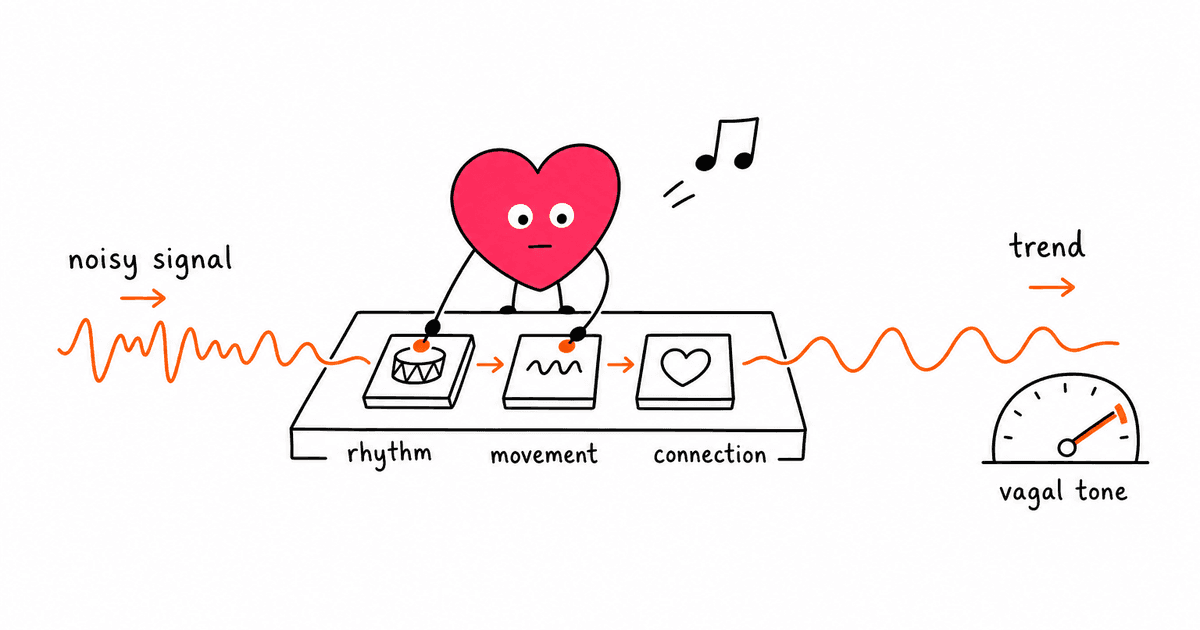
Dancing improves heart rate variability (HRV) by combining moderate-to-vigorous aerobic exercise with rhythmic movement, coordinated breathing, social interaction, and emotional engagement. Unlike repetitive cardio, dance activates multiple physiological systems simultaneously, creating a uniquely powerful stimulus for the autonomic nervous system.
Most people think of running, cycling, or swimming when they consider exercise for heart health. But a growing body of research suggests that dance may offer advantages those activities simply cannot match. The combination of physical exertion, cognitive challenge, emotional expression, and human connection makes dancing one of the most complete workouts for your nervous system.
How Dance Affects the Autonomic Nervous System
When you dance, your body shifts between bursts of high-intensity movement and brief recovery periods. This natural interval pattern trains the autonomic nervous system to transition smoothly between sympathetic (fight-or-flight) and parasympathetic (rest-and-digest) states.
Over time, regular dance practice strengthens the parasympathetic response. The vagus nerve, which is the primary driver of parasympathetic activity, becomes more efficient at calming the heart after exertion. This is reflected in higher resting HRV, a sign of better autonomic balance and cardiovascular resilience.
Dance also demands constant coordination between movement, music, and a partner or group. This cognitive-motor integration engages the prefrontal cortex, which has direct connections to vagal control centers. The result is a workout that trains both body and brain to regulate the stress response more effectively.
What the Research Says
Dance Movement Therapy Increases Vagal Tone in Older Adults
A 2025 study published on bioRxiv examined the effect of an 8-week Dance Movement Therapy (DMT) program on HRV in healthy adults over 65. The results were significant: participants showed increases in RMSSD, high-frequency (HF) power, and SD1, all markers of vagally-mediated HRV. Notably, sympathetic indices did not change, suggesting that dance specifically enhances parasympathetic activity rather than simply reducing overall arousal.
The researchers proposed that DMT's combination of body awareness, rhythmic movement, and social interaction was responsible for the vagal improvements. This aligns with broader research showing that social connection itself supports higher HRV.
HRV-Guided Training Improves Dance Performance
A 2021 study in PubMed explored using HRV to guide daily training intensity for dancers. Researchers found that dancers who adjusted their conditioning based on morning HRV readings showed greater improvements in lower extremity power and muscle endurance compared to those following a fixed training plan. The study supports using HRV-guided training principles in dance, just as elite athletes do.
Dance Reduces Cardiovascular Risk More Than Walking
A randomized controlled trial comparing dance with walking in older women found that dance was more effective at reducing cardiovascular risk factors. A 2025 review in Heart and Mind confirmed that routine dance participation improves agility, balance, and mood while decreasing rates of immobility and depression, both independent risk factors for cardiovascular disease.
These cardiovascular improvements are closely linked to autonomic health. As blood pressure and cardiovascular fitness improve, resting HRV typically rises alongside them.
Dance Styles and Their HRV Impact
Different dance styles create different physiological demands. Here is how popular styles compare in terms of intensity and autonomic benefit.
| Dance Style | MET Value | Calories/Hour (est.) | Intensity Level | HRV Benefit Profile |
|---|---|---|---|---|
| Ballroom (waltz, foxtrot) | 3.0-4.5 | 200-290 | Low-Moderate | Steady parasympathetic support |
| Line Dancing | 5.0 | 320 | Moderate | Good aerobic base with social element |
| Salsa/Latin (merengue, bachata) | 5.5 | 350 | Moderate-High | Strong interval effect, partner connection |
| Aerobic Dance Classes | 6.5 | 415 | High | Robust cardiovascular stimulus |
| Zumba | 7.0 | 450 | High | High-intensity with recovery intervals |
| Ballet (performance) | 6.0-8.0 | 380-510 | Moderate-Very High | Extreme coordination, breath control |
Calorie estimates based on a 155 lb (70 kg) individual. Actual values vary by body weight, fitness level, and dance intensity.
Low-Intensity Styles (Ballroom, Waltz)
Gentle partner dances like the waltz or foxtrot offer a steady, rhythmic cardiovascular stimulus in the moderate zone. The consistent tempo encourages diaphragmatic breathing patterns similar to breathing exercises, which directly stimulate the vagus nerve. These styles are ideal for beginners, older adults, or anyone recovering from overtraining.
Moderate-Intensity Styles (Salsa, Swing, Line Dancing)
Salsa, swing, and Latin dances operate in the sweet spot for HRV improvement. They provide enough cardiovascular challenge to trigger autonomic adaptations while incorporating natural recovery periods between songs and partner changes. The social element of partner dancing adds an additional vagal benefit through interpersonal synchrony and emotional regulation.
High-Intensity Styles (Zumba, Hip-Hop, Aerobic Dance)
High-energy dance classes push heart rates into HIIT-like zones, creating a powerful training stimulus for the cardiovascular system. The key advantage over traditional HIIT is that music-driven movement tends to feel less effortful, reducing the psychological stress response that can temporarily suppress HRV.
Five Mechanisms Behind Dance and HRV
1. Aerobic Conditioning
Dance is, at its core, sustained cardiovascular exercise. Regular aerobic activity is one of the most reliable ways to improve HRV. Dance sessions typically last 45-90 minutes, providing ample stimulus for cardiovascular adaptation. Over weeks and months, this translates to increased stroke volume, lower resting heart rate, and higher vagal tone.
2. Rhythmic Breathing Patterns
Dance naturally synchronizes breathing with movement. Many dance forms encourage deep, rhythmic respiration that activates the parasympathetic nervous system. This mechanism is similar to resonance frequency breathing, one of the most evidence-based techniques for increasing HRV in real time.
3. Social Connection and Oxytocin
Partner and group dances create a sense of social bonding that triggers oxytocin release. Research consistently shows that social connection supports higher HRV, and the synchronized movement of group dance amplifies this effect. Dancing with others creates a shared physiological experience that solo exercise cannot replicate.
4. Cognitive-Motor Integration
Learning choreography, responding to musical cues, and coordinating with a partner all require significant cognitive effort. This type of dual-task processing engages the prefrontal cortex and strengthens the neural pathways that regulate autonomic function. Research links stronger cognitive performance to higher HRV, and dance trains both simultaneously.
5. Emotional Expression and Stress Relief
Dance is one of the few forms of exercise that explicitly involves emotional expression. Moving to music triggers dopamine release and emotional processing in ways that static exercise does not. This emotional engagement helps regulate the stress response, reducing chronic sympathetic activation and supporting parasympathetic recovery.
Dance vs. Other Exercise for HRV
How does dance compare to other popular activities for improving heart rate variability?
| Factor | Dance | Running | Yoga | Strength Training |
|---|---|---|---|---|
| Aerobic stimulus | Strong | Very strong | Mild-moderate | Mild |
| Social component | High (group/partner) | Low (usually solo) | Moderate (group classes) | Low |
| Cognitive challenge | High | Low | Moderate | Low-moderate |
| Emotional engagement | High | Moderate | High | Low |
| Injury risk | Low-moderate | Higher (impact) | Low | Moderate |
| Accessibility | High (no equipment) | High | High | Moderate (gym needed) |
| HRV improvement potential | High | High | High | Moderate |
Dance offers a comparable aerobic stimulus to running and cycling, with added benefits from social interaction and cognitive engagement. For people who find traditional cardio monotonous, dance provides a compelling alternative that may improve exercise adherence, which is the single most important factor in long-term HRV improvement.
How to Start Dancing for Better HRV
Choose the Right Style for Your Fitness Level
If you are new to exercise, start with lower-intensity styles like ballroom or line dancing. If you already have a solid fitness base, salsa, swing, or Zumba will provide a stronger cardiovascular challenge. The best dance style is the one you actually enjoy enough to practice consistently.
Aim for 2-3 Sessions Per Week
Research on exercise and HRV suggests that 150+ minutes of moderate activity per week produces meaningful improvements in vagal tone. Two to three dance sessions of 45-60 minutes each fits this target perfectly. Avoid daily high-intensity sessions, as insufficient recovery can suppress HRV through overtraining.
Track Your HRV to Monitor Progress
Use a wearable like the Oura Ring 4 or WHOOP to track your morning HRV over time. Look for a gradual upward trend in your 7-day rolling average rather than focusing on daily fluctuations. Most people see measurable HRV improvements within 4-8 weeks of starting a consistent dance practice.
Combine Dance with Other HRV-Friendly Practices
Dance pairs well with other autonomic health strategies. Consider adding breathing exercises on non-dance days, prioritizing quality sleep, and managing stress through mindfulness practices. A multi-pronged approach produces the fastest HRV improvements.
Who Benefits Most from Dance
Older Adults
The research on dance and aging is particularly compelling. Dance helps reverse the age-related decline in vagal tone while also improving balance, cognitive function, and social engagement. For seniors looking to maintain HRV, dance may be the single best activity because it addresses physical, cognitive, and social health simultaneously.
People with High Stress or Anxiety
Dance provides a structured outlet for emotional expression and stress release. The combination of music, movement, and social connection creates a powerful counterbalance to chronic stress and anxiety. The distraction effect of following choreography also interrupts ruminative thought patterns that keep the sympathetic nervous system activated.
Those Who Dislike Traditional Exercise
The single biggest predictor of HRV improvement from exercise is consistency. If running, swimming, or gym workouts feel like a chore, dance offers an alternative that people genuinely look forward to. Higher enjoyment leads to better adherence, which leads to better outcomes.
Athletes Looking for Active Recovery
For competitive athletes, dance can serve as an effective active recovery tool on lighter training days. The moderate cardiovascular stimulus promotes blood flow and recovery without the repetitive impact stress of running or the monotony of a recovery ride. The cognitive novelty of learning new movement patterns also provides a mental reset from sport-specific training, which helps prevent burnout.
Practical Tips for Maximizing HRV Benefits from Dance
- Warm up properly. Start with gentle movement to avoid shocking the nervous system with sudden high-intensity effort.
- Stay hydrated. Dehydration directly suppresses HRV, so drink water before and during dance sessions.
- Dance with others when possible. The social component amplifies the parasympathetic benefits beyond what solo practice offers.
- Vary your intensity. Mix high-energy sessions with gentler styles to give your autonomic nervous system time to adapt and recover.
- Avoid alcohol before dancing. While social dancing often occurs in settings where alcohol is available, even moderate drinking suppresses HRV for 24-72 hours.
- Pay attention to your breathing. Focus on deep, rhythmic breaths synchronized with movement rather than shallow chest breathing.
- Listen to your body. If your morning HRV drops significantly for several days in a row, take a rest day. Your nervous system is telling you it needs recovery.
Frequently Asked Questions
How quickly can dancing improve my HRV?
Most research shows measurable HRV improvements within 4-8 weeks of starting regular dance practice (2-3 sessions per week). Individual results depend on baseline fitness, age, and overall lifestyle factors like sleep quality and stress levels.
Is any dance style better than others for HRV?
No single style is definitively "best." Moderate-intensity partner dances like salsa and swing offer a balanced combination of aerobic challenge, social bonding, and rhythmic breathing. However, the most effective style is the one you enjoy enough to practice consistently.
Can I use my HRV data to plan dance training?
Yes. Professional dancers and researchers have shown that HRV-guided training, where you adjust intensity based on morning HRV readings, leads to better performance outcomes. On days when your HRV is lower than your baseline, opt for gentler styles or reduce session duration.
Does dancing at home work as well as group classes?
Solo dance practice provides the aerobic and coordination benefits, but you miss out on the social connection component that research links to enhanced vagal tone. If group classes are not accessible, try virtual dance sessions with friends to maintain some social element. Following along with online tutorials still offers coordination and cognitive benefits that set dance apart from simple cardio.
Is dance safe for people with heart conditions?
Dance can be an excellent form of cardiac rehabilitation when done at appropriate intensity, but anyone with a heart condition should consult their healthcare provider before starting. Low-intensity styles like ballroom dancing are often recommended as part of cardiac recovery programs. Monitoring HRV during your dance journey can help you and your doctor gauge how well your autonomic nervous system is responding.
How does dance compare to yoga for HRV?
Both dance and yoga effectively improve HRV, but through different mechanisms. Yoga emphasizes slow, controlled breathing and parasympathetic activation during practice. Dance provides a stronger cardiovascular stimulus alongside social and emotional benefits. Combining both can be particularly effective.
Need a quick read on your HRV number first?
Enter your HRV value, age range, device, and recovery context for a plain-English interpretation before you decide what to do next.
Interpret Your HRV NumberBuild the 30-day plan