Microplastics and HRV: What Plastic Exposure May Mean for Heart Health
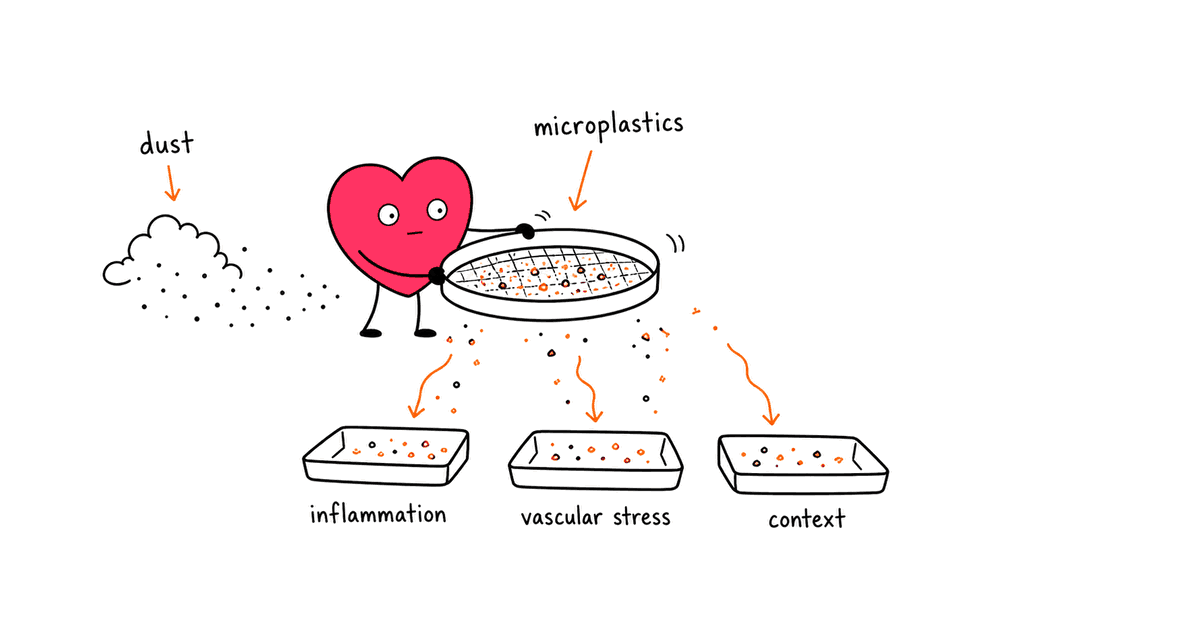
Microplastics have moved from environmental story to health story. They are in bottled water, food packaging, household dust, clothing fibers, tire particles, and air pollution. They have also been detected in human tissues, which raises an uncomfortable question for anyone tracking recovery: could plastic exposure affect HRV?
The honest answer is cautious. Microplastics are not yet a proven day-to-day HRV lever in the same way sleep loss, alcohol, illness, or hard training can be. But the cardiovascular evidence is getting harder to ignore, and several plausible pathways overlap with the biology behind heart rate variability.
Do Microplastics Affect HRV?
Microplastics may affect HRV indirectly, but direct human evidence is still limited. The concern is not that one plastic bottle will instantly lower your HRV. The concern is that chronic exposure may contribute to inflammation, oxidative stress, vascular strain, and environmental pollution load, all of which can influence autonomic balance over time.
That distinction matters. HRV is a useful recovery signal, but it is not a microplastic detector. If your HRV is low, plastic exposure should not be the first explanation. Sleep, illness, alcohol, training load, stress, medication changes, and heat are usually more immediate variables.
Microplastics belong in a different category: a background exposure that may matter for long-term heart health, especially when it stacks with air pollution, pesticide exposure, heat, poor sleep, or other stressors.
What Are Microplastics and Nanoplastics?
Microplastics are tiny plastic particles, usually smaller than 5 millimeters, while nanoplastics are even smaller particles that may move more easily through biological barriers. They come from the breakdown of larger plastic items and from products that shed plastic fragments during use, washing, heating, wear, or disposal.
Common sources include:
- single-use food and drink packaging
- bottled water
- plastic food containers
- synthetic clothing fibers
- household dust
- tire wear particles
- industrial plastic pollution
- degraded plastic in soil and water
Particle size matters. Smaller particles may be more likely to enter tissues, interact with cells, and carry chemical additives or other pollutants. Related chemical exposures matter too: phthalates are plasticizers with their own emerging HRV and heart-health evidence, while PFAS are persistent chemicals tied more to water, packaging, cookware, and treated materials. That does not mean every exposure causes harm, but it explains why researchers are taking the issue seriously.
Why This Became a Heart Health Topic
For years, microplastics were discussed mostly as an ocean and wildlife problem. That framing is outdated.
A 2024 study in The New England Journal of Medicine examined carotid artery plaque removed from people undergoing carotid endarterectomy. The American College of Cardiology summarized the results: among 257 patients who completed follow-up, polyethylene was detected in the plaque of 58.4% of patients, and polyvinyl chloride was detected in 12.1%.
The striking part was the outcome data. Patients with microplastics or nanoplastics detected in their plaque had a higher risk of a composite endpoint of heart attack, stroke, or death over roughly 34 months of follow-up. The reported hazard ratio was 4.53.
That is not proof that microplastics caused the events. The study was observational, and people with more plaque plastic may have had other unmeasured exposures or risk factors. Still, finding plastic particles inside artery plaque and seeing a strong association with worse cardiovascular outcomes is exactly the kind of signal that deserves attention.
For a broader heart-risk frame, see our guide to HRV and heart disease.
The HRV Connection: Plausible, Not Proven
HRV reflects autonomic nervous system flexibility. Higher HRV generally suggests stronger parasympathetic recovery capacity, while lower HRV can reflect stress load, illness, inflammation, poor sleep, overreaching, or cardiovascular strain.
Microplastics could theoretically affect HRV through several overlapping pathways.
Inflammation
Low-grade inflammation is one of the most plausible links. Microplastics and nanoplastics may interact with immune cells, carry chemical additives, or contribute to inflammatory signaling.
That matters because inflammation and autonomic function are tightly connected. Lower HRV is often seen when the body is dealing with infection, systemic stress, or chronic inflammatory burden. The vagus nerve also helps regulate inflammatory signaling, which is why this topic overlaps with the vagal anti-inflammatory pathway.
Oxidative Stress
Oxidative stress is another proposed mechanism. In simple terms, it means the body's repair systems are dealing with more reactive molecules than they can comfortably neutralize.
Oxidative stress is relevant to vascular health, cellular function, and recovery. It is also one reason particulate pollution is associated with cardiovascular risk. Microplastics may not behave exactly like air pollution particles, but the overlap is close enough to make the comparison useful.
Vascular Strain
Healthy blood vessels respond smoothly to changes in blood flow, pressure, and metabolic demand. Microplastics are being studied for potential effects on endothelial function, clotting pathways, plaque biology, and vascular inflammation.
If vascular stress increases, the autonomic nervous system may need to work harder to maintain stability. That could show up as lower HRV, higher resting heart rate, worse recovery, or increased blood pressure in susceptible people.
That does not mean HRV can diagnose plaque risk. It means the cardiovascular system and autonomic system are not separate silos.
Air and Dust Exposure
Microplastics are not only something you eat or drink. They can also be inhaled through indoor dust, textile fibers, traffic-related particles, and environmental pollution.
This connects microplastics to a better-established HRV topic: air pollution and HRV. Fine particulate exposure is already associated with lower HRV in multiple studies. Some microplastic exposure may ride along with that broader particle burden.
Stress Load Stacking
Most HRV drops are not caused by one magical villain. They are usually the sum of several stressors.
A person living in a high-traffic area, sleeping poorly, eating mostly packaged food, training hard, and dealing with chronic work stress is not just exposed to microplastics. They are exposed to a whole stack of autonomic stressors. HRV can help you see the total load, even when it cannot identify every ingredient in the stack.
What HRV Can Tell You About Plastic Exposure
HRV is useful here, but only if you use it correctly.
It can help you notice patterns like:
- worse recovery during heavy pollution days
- lower HRV after travel weeks with more packaged food, poor sleep, and dehydration
- higher resting heart rate during periods of environmental stress
- better recovery when overall lifestyle friction decreases
It cannot tell you:
- how many microplastics are in your body
- whether a specific container caused a poor HRV reading
- whether you have vascular plaque
- whether a detox product is working
- whether one low HRV score is meaningful
This is the same interpretation rule that applies to most recovery data: use HRV as a trend signal, not a courtroom verdict.
The Biggest Everyday Exposure Sources
The goal is not to become anxious about every plastic object. That would be miserable and not especially useful. Focus on high-frequency exposures that are easy to change.
Bottled Water
Bottled water is one of the most practical places to start. Harvard T.H. Chan School of Public Health notes that people who drink bottled water may ingest substantially more microplastic particles than people who do not.
If your tap water is safe, switching more of your daily drinking water to filtered tap water is a reasonable move. If tap water quality is questionable where you live, solve that problem first. Avoid trading one risk for another.
Heating Food in Plastic
Heat increases chemical and particle migration from some plastics. That makes microwaving food in plastic containers, pouring hot liquids into plastic, or leaving plastic bottles in hot cars a low-value habit.
Use glass, ceramic, or stainless steel for hot food and drinks when possible. This is one of the rare microplastic changes that is both simple and sensible.
Ultra-Packaged Food
A lot of plastic exposure is not dramatic. It comes from repeated contact with wrappers, trays, pouches, films, liners, and takeout containers.
You do not need a perfect zero-plastic diet. But shifting more meals toward whole foods, bulk staples, and reusable storage can reduce exposure while also supporting the same nutrition patterns that help HRV and metabolic health.
Household Dust
Indoor dust can contain synthetic fibers, degraded plastic fragments, flame retardants, and other chemical residues. That matters because people inhale and ingest dust constantly, especially indoors.
Regular vacuuming with a good filter, wet dusting, ventilation when outdoor air is clean, and removing shoes indoors can all help reduce dust load. These are not glamorous interventions, which is probably why they are underrated.
Synthetic Textiles
Polyester, nylon, acrylic, and other synthetic fabrics shed fibers during wear and washing. Harvard notes that washing machine filters can help reduce microfiber pollution leaving the home.
For personal exposure, the practical version is simple: do not panic about workout clothes, but consider choosing more natural fibers for bedding, towels, and clothing you wear for long periods. Wash synthetic fleece and high-shedding items less aggressively when reasonable.
Traffic and Tire Particles
Tire wear is a surprisingly important source of environmental microplastic pollution. It also overlaps with traffic-related air pollution, which has clearer evidence for HRV disruption.
If you walk, run, or cycle, route choice matters. A quieter street, park path, or lower-traffic route can reduce exposure while preserving the cardiovascular benefits of exercise.
How to Reduce Exposure Without Getting Weird
The best strategy is boring: reduce the most repeated exposures, not every exposure.
1. Stop Heating Plastic
This is the cleanest first move. Heat food in glass or ceramic. Use stainless steel or glass for hot drinks. Avoid leaving plastic water bottles in hot cars.
2. Upgrade Daily Water Habits
If local tap water is safe, use filtered tap water more often and rely less on bottled water. A reusable stainless steel or glass bottle is enough for most people.
3. Store Food in Glass When Practical
You do not need to throw away every plastic container overnight. Start with hot foods, acidic foods, fatty foods, and anything stored for several days.
4. Eat More Low-Packaging Foods
Fresh produce, dry beans, oats, rice, eggs, fish, olive oil, nuts, and other minimally packaged staples are not just a plastic strategy. They also support heart health, blood sugar control, and recovery.
5. Keep Dust Under Control
Vacuum, wet dust, wash bedding, and ventilate when outdoor air is clean. This is especially useful if you live near traffic, have synthetic carpets, or spend most of the day indoors.
6. Be Smarter With Synthetic Fabrics
Synthetic activewear is useful. Keep it. But for bedding, pajamas, and daily basics, natural fibers may reduce constant fiber shedding near your skin and breathing zone.
7. Avoid Detox Theater
There is no proven microplastic cleanse. Be skeptical of supplements, protocols, or devices claiming to remove microplastics from your body. The evidence is not there.
Should You Track HRV During an Exposure-Reduction Experiment?
You can, but keep expectations realistic.
Microplastic exposure is not like alcohol, where HRV may drop clearly the same night. It is more like air quality, diet quality, or chronic stress: the signal may be indirect, delayed, and mixed with other variables.
A useful experiment would look like this:
- Pick two or three changes, such as no heating plastic, less bottled water, and more low-packaging meals.
- Keep training, sleep schedule, alcohol intake, and caffeine as stable as possible.
- Track HRV, resting heart rate, sleep, and subjective energy for four to six weeks.
- Look for trends, not miracles.
- Keep the habits if they are easy and aligned with broader health.
If HRV improves, great. If it does not, the changes may still be worth keeping for environmental and long-term health reasons.
Who Should Pay the Most Attention?
Everyone has some exposure, but a few groups may have more reason to be careful:
- people with existing cardiovascular disease
- people with high blood pressure or elevated cardiovascular risk
- people living near heavy traffic or industrial pollution
- people who drink bottled water daily
- people who eat lots of takeout or packaged food
- children and pregnant people, where precaution usually matters more
- endurance athletes training outdoors in polluted areas
If you already have heart disease, plaque, unexplained symptoms, or major cardiovascular risk factors, do not use HRV as a substitute for medical care. Use it as one piece of context alongside proper clinical guidance.
What Not to Overreact To
This topic can easily become fear content. That is not useful.
Do not assume:
- one plastic bottle meaningfully changed your HRV
- all plastic exposure is equally important
- expensive filters automatically solve the problem
- every low HRV day needs an environmental explanation
- microplastics are the only modern health threat worth worrying about
The basics still matter more: sleep, exercise, blood pressure, nutrition, stress management, not smoking, and keeping alcohol moderate. Those have stronger evidence and more immediate HRV effects.
Microplastic reduction should support that foundation, not replace it.
FAQ
Can microplastics lower HRV overnight?
There is no strong evidence that a single normal exposure, like drinking from a plastic bottle once, lowers HRV overnight. Acute HRV changes are more likely to come from poor sleep, alcohol, illness, hard training, heat, or psychological stress.
Are microplastics proven to cause heart disease?
No. The strongest human evidence so far shows association, not proof of causation. The 2024 artery plaque study is important because it found microplastics and nanoplastics inside plaque and linked their presence to worse outcomes, but it cannot prove that the particles caused those outcomes.
Should I stop using all plastic?
No. That is unrealistic and unnecessary for most people. Start with high-frequency, higher-risk habits: heating food in plastic, relying heavily on bottled water, and eating many meals from plastic packaging.
Can a wearable detect microplastic exposure?
No. Wearables can track downstream signals like HRV, resting heart rate, sleep, and recovery. They cannot measure microplastics in blood, tissue, air, food, or water.
What is the simplest first change?
Stop heating food and drinks in plastic. It is cheap, practical, and does not require overhauling your life.
The Bottom Line
Microplastics are not yet a proven direct cause of low HRV, and anyone claiming otherwise is getting ahead of the evidence. But they are a credible long-term heart health concern because they may contribute to inflammation, oxidative stress, vascular stress, and pollution exposure.
The smart move is not panic. It is exposure triage.
Use HRV to monitor your overall recovery load. Use common sense to reduce repeated plastic exposure. Keep the big cardiovascular levers in place: sleep, movement, nutrition, blood pressure control, clean air when possible, and stress management.
Tiny particles do not need to dominate your life. But they have earned a place on the list of modern environmental stressors worth taking seriously.
Need a quick read on your HRV number first?
Enter your HRV value, age range, device, and recovery context for a plain-English interpretation before you decide what to do next.
Interpret Your HRV NumberBuild the 30-day plan