Mediterranean Diet and HRV: How This Eating Pattern Boosts Heart Rate Variability
Trying to decode today's HRV number? Use the free interpreter first, then build a practical recovery plan. Interpret your HRV
The Mediterranean diet consistently ranks among the world's healthiest eating patterns. While most people know it reduces heart disease risk, fewer realize it also improves heart rate variability, the key metric of autonomic nervous system health.
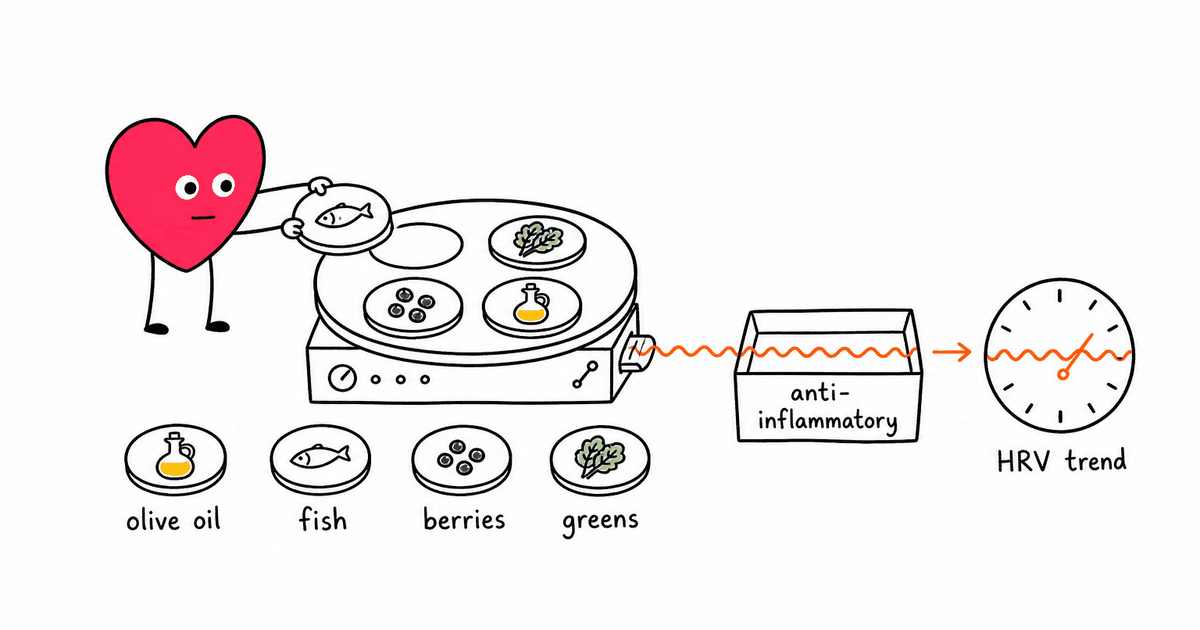
The Mediterranean diet improves HRV by 10% to 58% according to research, with higher adherence linked to better parasympathetic function. This eating pattern works through multiple mechanisms: anti-inflammatory compounds, omega-3 fatty acids, polyphenols, and fiber that support the gut-brain-heart axis.
Here's what the science says about Mediterranean eating and HRV, plus practical ways to implement this diet for better autonomic function. For a broader look at how diet influences autonomic health, see our guide on nutrition and HRV.
What Makes the Mediterranean Diet Unique for HRV
Unlike restrictive diets focused on eliminating foods, the Mediterranean diet emphasizes abundance: olive oil, fish, vegetables, legumes, nuts, and whole grains. This combination delivers a synergistic blend of compounds that support cardiovascular and autonomic health.
The diet originated from traditional eating patterns in Greece, Southern Italy, and Spain, where heart disease rates were historically lower than in Northern Europe and the United States. Researchers have since identified specific mechanisms that explain these benefits.
For HRV specifically, the Mediterranean diet works through:
- Reduced systemic inflammation (lower CRP and IL-6)
- Improved vagal tone through omega-3 fatty acids
- Enhanced gut microbiome diversity supporting the gut-brain axis
- Lower oxidative stress from polyphenol-rich foods
- Better blood sugar regulation reducing autonomic strain
The Twin Study: Genetic Proof of the Diet-HRV Connection
One of the most compelling studies on Mediterranean diet and HRV comes from Emory University researchers who studied 276 middle-aged male twins. The twin design allowed researchers to control for genetics and shared environment, isolating the dietary effect.
The results were striking. After adjusting for energy intake, other nutritional factors, genetics, and environment, each 1-unit increase in Mediterranean diet adherence score was associated with 3.9% to 13% higher HRV across multiple parameters.
Men in the highest Mediterranean diet adherence quartile showed HRV values 10% to 58% higher than those in the lowest quartile. This included improvements in:
- SDNN (overall HRV)
- RMSSD (parasympathetic activity)
- High-frequency power (vagal tone)
- Low-frequency power
The study controlled for physical activity, BMI, smoking, and other lifestyle factors. The dietary effect remained significant, suggesting the Mediterranean eating pattern directly influences cardiac autonomic function independent of other health behaviors.
Key Components That Improve HRV
Extra Virgin Olive Oil
Olive oil is the cornerstone of Mediterranean eating, and its HRV benefits come from polyphenols like oleocanthal and oleuropein. These compounds reduce inflammation markers associated with autonomic dysfunction.
The PREDIMED trial, one of the largest Mediterranean diet studies, found that participants consuming extra virgin olive oil (versus refined olive oil or low-fat diets) showed significantly lower inflammatory markers at 3 and 5 years. Since chronic inflammation suppresses HRV, this anti-inflammatory effect translates to better autonomic balance.
Aim for 3-4 tablespoons of extra virgin olive oil daily. Use it for cooking, salad dressings, and drizzling on finished dishes.
Fatty Fish and Omega-3s
The Mediterranean diet emphasizes fish, particularly fatty varieties rich in EPA and DHA omega-3 fatty acids. Research consistently shows omega-3 supplementation increases HRV, likely through effects on cardiac cell membranes and vagal nerve function.
A review in Frontiers in Physiology found that cellular content of omega-3 fatty acids correlates positively with HRV, and supplementation appears to increase vagal tone. The Mediterranean diet delivers these benefits through whole foods rather than supplements.
Target 2-3 servings of fatty fish weekly:
- Salmon
- Sardines
- Mackerel
- Anchovies
- Herring
For more on omega-3s and HRV, see our guide on omega-3 fatty acids and HRV.
Vegetables and Leafy Greens
Mediterranean eating prioritizes vegetables at every meal. Beyond fiber and micronutrients, vegetables provide nitrates (especially leafy greens) that support cardiovascular function and polyphenols that reduce oxidative stress.
The diet typically includes 6+ servings of vegetables daily, far exceeding typical Western intake. This volume of plant foods supports gut microbiome diversity, which influences HRV through the vagus nerve connection between gut and brain.
Legumes and Whole Grains
Beans, lentils, chickpeas, and whole grains provide fiber that feeds beneficial gut bacteria. A healthy microbiome produces short-chain fatty acids that signal through the vagus nerve, potentially improving parasympathetic tone.
These foods also stabilize blood sugar. Research shows blood glucose variability negatively impacts HRV, so the steady energy from complex carbohydrates supports autonomic balance.
For more on the gut-heart connection, see our guide on gut health and HRV.
Nuts
Almonds, walnuts, and other nuts appear frequently in Mediterranean eating. Walnuts are particularly notable for their alpha-linolenic acid (plant-based omega-3) content. Studies suggest regular nut consumption improves inflammatory markers and cardiovascular risk factors.
A small handful (about 1 ounce) daily provides benefits without excessive calories.
Moderate Red Wine (Optional)
Traditional Mediterranean populations consumed moderate amounts of red wine with meals. The resveratrol and other polyphenols in red wine may offer cardiovascular benefits, though alcohol itself reduces HRV in the short term.
This component is optional. If you don't drink alcohol, there's no reason to start. The diet's benefits come primarily from food choices, not wine. For those who do drink, limiting to one glass with dinner (rather than multiple drinks) aligns with Mediterranean patterns.
For more on alcohol's effects, see our guide on alcohol and HRV.
How the Mediterranean Diet Reduces Inflammation
Chronic low-grade inflammation is a key driver of reduced HRV and cardiovascular disease. The Mediterranean diet addresses inflammation through multiple pathways.
The PREDIMED trial found that polyphenol intake from Mediterranean eating decreased inflammatory biomarkers related to atherosclerosis. After 3-5 years, participants showed lower levels of:
- C-reactive protein (CRP)
- Interleukin-6 (IL-6)
- Vascular cell adhesion molecules
These inflammatory markers correlate inversely with HRV. By reducing systemic inflammation, the Mediterranean diet creates conditions for improved autonomic function.
The anti-inflammatory effect comes from:
- Polyphenols in olive oil, vegetables, and red wine
- Omega-3 fatty acids that compete with inflammatory omega-6s
- Fiber that supports anti-inflammatory gut bacteria
- Absence of processed foods that promote inflammation
For more on the inflammation-HRV connection, see our guide on inflammation and HRV.
Mediterranean Diet vs. Other Eating Patterns
How does Mediterranean eating compare to other popular diets for HRV?
Mediterranean vs. Western Diet
The typical Western diet, high in processed foods, refined carbohydrates, and omega-6 fatty acids, promotes inflammation and is associated with lower HRV. Switching from Western to Mediterranean eating addresses multiple HRV-suppressing factors simultaneously.
Mediterranean vs. Low-Carb/Keto
While ketogenic diets have metabolic benefits, they often lack the variety of plant foods and fiber found in Mediterranean eating. Some research suggests very low-carb diets may increase cortisol, potentially affecting HRV. The Mediterranean diet's moderate carbohydrate content from whole food sources appears more sustainable for most people.
Mediterranean vs. Plant-Based
Vegetarian and vegan diets can support HRV, particularly if they emphasize whole foods. However, they may lack the omega-3s from fatty fish that strongly influence vagal tone. A Mediterranean approach that includes fish may offer advantages for HRV specifically.
Mediterranean vs. DASH
The DASH diet (Dietary Approaches to Stop Hypertension) shares many features with Mediterranean eating. Both emphasize fruits, vegetables, and whole grains. The Mediterranean diet's additional emphasis on olive oil and fish may provide extra HRV benefits beyond blood pressure improvements.
Practical Implementation
What a Mediterranean Day Looks Like
Breakfast:
- Greek yogurt with walnuts and berries
- Drizzle of honey
- Coffee or tea
Lunch:
- Large salad with mixed greens, tomatoes, cucumbers, olives
- Chickpeas or white beans for protein
- Extra virgin olive oil and lemon dressing
- Whole grain bread
Dinner:
- Grilled salmon or other fatty fish
- Roasted vegetables (zucchini, eggplant, peppers)
- Quinoa or farro
- Olive oil drizzled on vegetables
Snacks:
- Handful of almonds
- Fresh fruit
- Hummus with vegetable sticks
Starting the Transition
If your current diet differs significantly from Mediterranean eating, transition gradually:
Week 1-2: Switch to extra virgin olive oil as your primary cooking fat
Week 3-4: Add 2-3 fatty fish meals per week
Week 5-6: Increase vegetable portions at each meal
Week 7-8: Replace refined grains with whole grains
Ongoing: Reduce processed foods and added sugars
This gradual approach allows your gut microbiome to adapt and makes the changes sustainable.
Mediterranean Diet on a Budget
This eating pattern doesn't require expensive specialty foods:
- Canned fish (sardines, salmon) is affordable and nutritious
- Frozen vegetables retain nutrients and cost less
- Dried legumes are among the cheapest protein sources
- Seasonal produce reduces costs
- Store-brand olive oil works if it's extra virgin
The Mediterranean diet can actually save money by reducing meat consumption and emphasizing plant-based proteins.
How Long Until You See HRV Changes
Dietary changes influence HRV through different timescales:
Short-term (days to weeks):
- Blood sugar stabilization affects HRV quickly
- Reduced processed food intake lowers acute inflammation
Medium-term (weeks to months):
- Omega-3 incorporation into cell membranes takes 2-3 months
- Gut microbiome shifts occur over weeks
Long-term (months to years):
- Systemic inflammation reduction compounds over time
- The twin study measured long-term dietary patterns
Most people notice HRV improvements within 4-8 weeks of consistent Mediterranean eating, with continued benefits accruing over months. Track your HRV consistently to observe changes.
Who Benefits Most
While the Mediterranean diet supports HRV across populations, certain groups may see pronounced benefits:
- Those with chronic inflammation (elevated CRP)
- People with metabolic syndrome or insulin resistance
- Those recovering from overtraining or chronic stress
- Individuals with low baseline omega-3 intake
- People transitioning from highly processed diets
The twin study focused on middle-aged men, but other research supports benefits across age groups and genders.
Combining Mediterranean Diet with Other HRV Strategies
Diet works synergistically with other lifestyle factors:
Sleep: The Mediterranean diet's effects on inflammation and gut health may improve sleep quality, which further supports HRV. See our guide on HRV and sleep.
Exercise: Physical activity and Mediterranean eating both improve HRV through complementary mechanisms. The diet provides nutrients that support recovery from training. See our guides on HRV for athletes and strength training and HRV for exercise-specific strategies.
Stress management: While diet can't eliminate psychological stress, reduced inflammation may improve stress resilience. Practices like meditation and breathing exercises pair well with dietary changes. The gut-brain axis influenced by Mediterranean eating connects to mood and stress response.
For a comprehensive approach, see our guide on how to improve HRV.
Tracking Your Progress
To measure the Mediterranean diet's impact on your HRV:
- Establish a baseline by tracking morning HRV for 2 weeks before dietary changes
- Implement changes gradually while continuing to track
- Control other variables (sleep, exercise, alcohol) as much as possible
- Look for trends over weeks and months, not daily fluctuations
- Note subjective changes in energy, sleep quality, and stress resilience
An HRV tracker like the Oura Ring or Whoop makes consistent measurement practical.
The Bottom Line
The Mediterranean diet offers one of the most evidence-based approaches to improving HRV through nutrition. Research shows adherence to this eating pattern correlates with 10% to 58% higher HRV values, independent of genetics and other lifestyle factors.
The benefits come from multiple synergistic mechanisms: omega-3 fatty acids supporting vagal tone, polyphenols reducing inflammation, fiber feeding beneficial gut bacteria, and whole foods stabilizing blood sugar.
Unlike restrictive diets, Mediterranean eating emphasizes delicious, satisfying foods. The emphasis on olive oil, fish, vegetables, and legumes makes it sustainable long-term, which matters for lasting HRV improvements.
Start with simple changes: switch to extra virgin olive oil, add fatty fish twice weekly, and increase your vegetable intake. Track your HRV over the coming months and observe how this ancient eating pattern supports your modern health goals.
Frequently Asked Questions
How quickly will the Mediterranean diet improve my HRV?
Most people notice HRV improvements within 4-8 weeks of consistent Mediterranean eating. Short-term benefits from blood sugar stabilization appear within days, while omega-3 incorporation into cell membranes takes 2-3 months. Long-term anti-inflammatory effects continue building over months to years.
Do I need to eat fish to get the HRV benefits?
While fatty fish provides the most bioavailable omega-3s for HRV improvement, you can get partial benefits from plant sources like walnuts, flaxseeds, and chia seeds. However, conversion of plant omega-3s (ALA) to the active forms (EPA/DHA) is inefficient. Consider an algae-based omega-3 supplement if you don't eat fish.
Can I follow a Mediterranean diet if I have food allergies?
Yes. The diet is flexible enough to accommodate most allergies. Nut allergies can be managed by emphasizing seeds instead. Shellfish allergies don't prevent eating other fish. Gluten sensitivity is compatible with the diet since whole grains can include gluten-free options like quinoa, rice, and buckwheat.
Is the Mediterranean diet compatible with intermittent fasting?
Yes, these approaches combine well. The Mediterranean diet defines what you eat, while intermittent fasting defines when you eat. Many people find the satisfying, nutrient-dense foods of Mediterranean eating make fasting periods easier to sustain.
How does the Mediterranean diet compare to taking omega-3 supplements for HRV?
The Mediterranean diet provides omega-3s plus additional HRV-supporting compounds (polyphenols, fiber, antioxidants) that supplements lack. Research on whole dietary patterns shows larger effects than individual nutrients alone. That said, omega-3 supplements can complement Mediterranean eating, especially if fish consumption is limited.
Need a quick read on your HRV number first?
Enter your HRV value, age range, device, and recovery context for a plain-English interpretation before you decide what to do next.
Interpret Your HRV NumberBuild the 30-day plan