PFAS and HRV: What Forever Chemicals May Mean for Heart Health
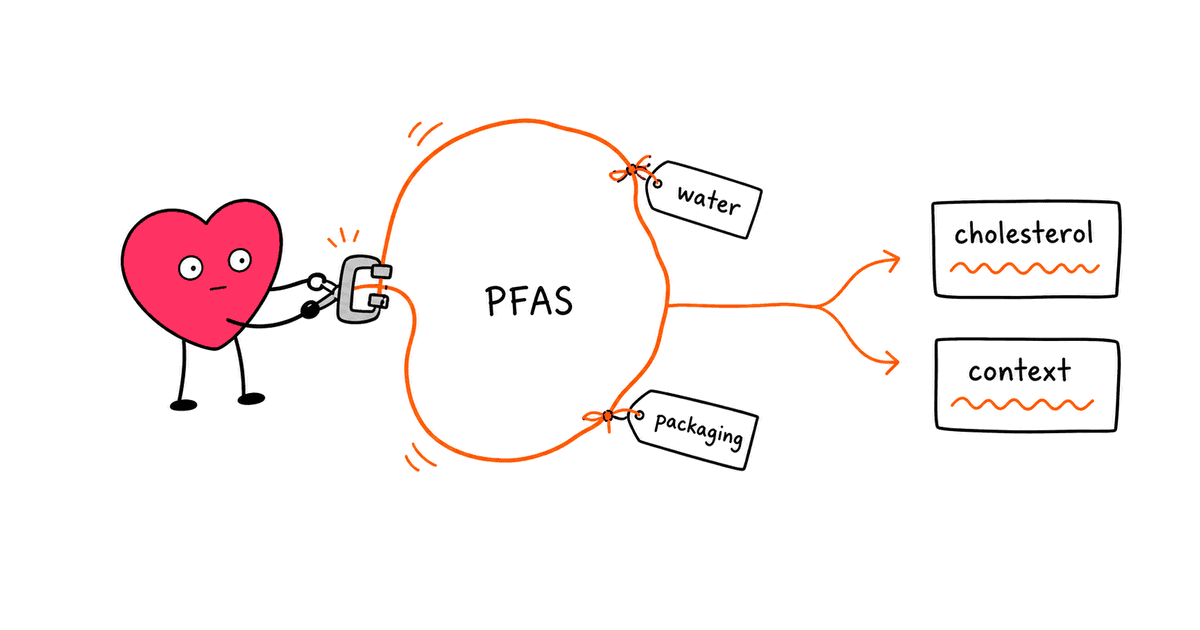
PFAS are not a normal recovery variable like sleep, training load, alcohol, or illness. You will not see "forever chemicals" neatly labeled in your HRV app after a bad night.
But PFAS are increasingly part of the heart health conversation, and that makes them relevant for anyone tracking heart rate variability. These persistent chemicals have been studied in relation to cholesterol, blood pressure, vascular function, inflammation, immune signaling, and metabolic health. Those systems all overlap with the biology behind HRV.
The key is to keep the claim honest. PFAS are not proven to lower HRV directly in the average person. They are better understood as a possible background stressor that may affect the cardiovascular and autonomic systems over time.
Do PFAS Affect HRV?
PFAS may affect HRV indirectly, but direct human evidence linking PFAS exposure to lower heart rate variability is still limited. The stronger evidence connects some PFAS exposures with cardiovascular risk factors such as higher cholesterol, blood pressure changes, vascular stress, oxidative stress, and inflammatory pathways. Those mechanisms can influence autonomic balance, but HRV cannot diagnose PFAS exposure.
That means PFAS should not be the first explanation for a low recovery score. Acute HRV drops are still more likely to come from poor sleep, stress, illness, alcohol, dehydration, heat, medication changes, or a training block that needs more recovery.
PFAS belong in a slower, longer-term category. If you live in an area with contaminated drinking water, have occupational exposure, or use many PFAS-treated products, exposure reduction may be a smart heart-health move. Just do not expect your HRV trend to prove it within a week.
What Are PFAS?
PFAS, or per- and polyfluoroalkyl substances, are a large group of synthetic chemicals designed to resist water, oil, grease, heat, and stains. They are often called "forever chemicals" because many PFAS break down very slowly in the environment and some can build up in people over time.
PFAS have been used since the mid-20th century in products such as:
- nonstick cookware
- grease-resistant food packaging
- water-resistant clothing
- stain-resistant carpets and upholstery
- some cosmetics and personal care products
- firefighting foam
- industrial coatings and manufacturing processes
- contaminated drinking water near certain facilities, military bases, airports, or waste sites
NIEHS describes PFAS as a large and complex chemical family. The EPA's CompTox database includes nearly 15,000 PFAS structures, which is one reason the science is difficult. "PFAS" is not one chemical. It is a category, and different compounds can behave differently.
The most studied legacy PFAS include PFOA and PFOS. Other names you may see include PFHxS, PFNA, PFDA, PFBS, and HFPO-DA, often called GenX chemicals.
Why PFAS Are a Heart Health Topic
PFAS used to be discussed mostly as an environmental contamination issue. That framing is too narrow now.
The Agency for Toxic Substances and Disease Registry says epidemiological evidence suggests associations between increases in exposure to specific PFAS and several health effects, including increased cholesterol levels, lower antibody response to some vaccines, changes in liver enzymes, pregnancy-induced hypertension and preeclampsia, small decreases in birth weight, and kidney and testicular cancer for PFOA.
For HRV readers, the cholesterol and blood pressure pieces matter most. HRV is not only a stress score. It reflects how flexibly the autonomic nervous system helps regulate heart rhythm, vascular tone, and recovery from load. When cardiovascular risk factors move in the wrong direction, HRV can be affected indirectly.
That does not make PFAS the hidden cause behind every bad HRV trend. It means PFAS may be part of the broader environmental load that shapes heart health over years, alongside air pollution, plastic additives, poor sleep, inactivity, diet quality, smoking, and chronic stress.
For adjacent environmental topics, see microplastics and HRV, phthalates and HRV, pesticide exposure and HRV, lead exposure and HRV, and air quality and HRV.
What the Research Says
The evidence is mixed, but not empty. The safest read is this: PFAS exposure is plausibly relevant to cardiovascular health, while direct PFAS-HRV research is still early.
Cholesterol and Lipid Metabolism
The cholesterol signal is one of the most consistent findings in PFAS research. ATSDR lists increases in cholesterol levels among health effects associated with specific PFAS, including PFOA, PFOS, PFNA, and PFDA.
That matters because cholesterol is not just a lab number. It is part of the vascular environment your autonomic nervous system is constantly responding to. For more context, see cholesterol and HRV.
A 2023 review in Archives of Toxicology summarized extensive epidemiological and laboratory evidence suggesting that accumulated serum levels of legacy PFAS may contribute to cardiovascular risk and subclinical changes such as dyslipidemia, hypertension, vascular disorder, and cardiac toxicity. The proposed mechanisms included oxidative stress, disrupted signaling pathways, and altered lipid metabolism.
The word "may" is doing real work here. Observational studies can be confounded by diet, socioeconomic factors, occupation, geography, and other exposures. But the pattern is strong enough that cholesterol is one of the first places researchers look when discussing PFAS and cardiovascular risk.
Blood Pressure and Vascular Function
Blood pressure regulation depends on blood vessel flexibility, kidney function, hormones, nervous system tone, and metabolic health. PFAS may interact with several of those systems.
Some studies have linked PFAS exposure with hypertension or pregnancy-related blood pressure disorders. ATSDR specifically notes associations between PFOA and PFOS exposure and pregnancy-induced hypertension and preeclampsia.
For general HRV interpretation, this matters because blood pressure and autonomic control are tightly connected. If vascular tone becomes less flexible, the body may need more sympathetic drive to maintain stability. Over time, that can show up as lower HRV, higher resting heart rate, or slower recovery from stress in susceptible people.
For the broader relationship, see HRV and blood pressure.
Inflammation and Oxidative Stress
Many proposed PFAS mechanisms point toward oxidative stress and inflammatory signaling. Those pathways are relevant because HRV often falls when the body is dealing with systemic stress, infection, inflammatory load, or poor recovery.
This does not mean PFAS exposure creates an obvious same-day HRV drop. Persistent exposures are more subtle. They may change the background conditions under which recovery happens.
A useful way to think about it: HRV reflects total load, not one villain. If PFAS exposure is present alongside poor sleep, low fitness, heavy alcohol intake, chronic stress, and high blood pressure, HRV may reflect the combined burden without being able to identify each ingredient.
For a deeper explanation, see inflammation and HRV.
Cardiac Electrical Signaling
Direct HRV studies on PFAS are sparse, but there is some adjacent evidence. A 2023 cross-sectional study in adults from Guangzhou, China examined serum PFAS levels and electrocardiogram parameters, including heart rate, PR interval, QRS duration, and corrected QT interval. The study reported associations between PFAS exposure and changes in ECG parameters.
ECG parameters are not the same thing as HRV. Still, they are relevant because HRV is derived from beat-to-beat timing. If an exposure is associated with cardiac electrical regulation, it belongs on the radar, even if the direct HRV evidence has not caught up.
The practical takeaway is cautious: PFAS may affect cardiovascular regulation, but HRV data from a wearable is not enough to identify PFAS as the cause.
The Evidence Is Not Settled
This is where the article needs to stay honest. Not every study finds that higher PFAS exposure clearly increases cardiovascular events.
For example, a 2023 population-based cohort and meta-analysis in Environment International did not find a straightforward increased risk of incident cardiovascular disease with higher PFOA levels. Some findings even suggested modest inverse associations, which may reflect confounding, exposure differences, study design, or the difficulty of measuring PFAS mixtures over time.
That does not erase the cholesterol, hypertension, vascular, and mechanistic evidence. It does mean the topic should be framed as risk management, not certainty.
Why HRV Might Change Indirectly
HRV is influenced by sleep, stress, inflammation, training, breathing, blood pressure, hormones, illness, and metabolic health. PFAS could plausibly affect that system through higher cholesterol, blood pressure strain, oxidative stress, inflammation, metabolic disruption, or immune effects.
None of this makes PFAS a short-term HRV lever like breathing exercises or sleep timing. It makes PFAS a possible background modifier of health.
That distinction matters because the wrong interpretation can create anxiety. You should not look at one low HRV reading and wonder whether your frying pan caused it. That is not how HRV works.
What HRV Can and Cannot Tell You
HRV can help you monitor how your body responds to total stress load. It can help you notice whether your recovery trend improves when your sleep, training, alcohol intake, nutrition, stress management, and environment improve together.
HRV cannot tell you:
- how much PFAS is in your body
- whether your drinking water contains PFAS
- whether a specific product exposed you
- whether a filter is working
- whether you have cardiovascular disease
- whether a detox supplement removed anything
If you are worried about PFAS, the right tools are water testing, public water reports, exposure history, medical guidance, and, in some cases, blood testing through a clinician or public health program. HRV is a recovery trend, not a chemical exposure test.
Who Should Pay Closer Attention?
Everyone benefits from cleaner water and fewer unnecessary chemical exposures, but some people have a stronger reason to look into PFAS. Pay closer attention if you use a private well near an industrial site, airport, military base, landfill, or firefighting training area, live in a community with known contamination, work with firefighting foam or fluorochemical materials, or have pregnancy-related or cardiovascular risk concerns.
This does not mean panic. It means start with the exposures that are easiest to verify and reduce.
Practical Ways to Reduce PFAS Exposure
PFAS reduction is not about becoming afraid of every object in your home. That path gets weird fast and does not necessarily make you healthier.
Focus on high-frequency exposures with reasonable fixes.
1. Start With Drinking Water
Drinking water is one of the most important PFAS exposure routes in contaminated communities.
If you use a public water system, check your local water quality report or utility PFAS testing updates. EPA's 2024 drinking water rule set enforceable limits for PFOA and PFOS at 4 parts per trillion and established additional limits for several other PFAS and mixtures. In 2025, EPA announced it would keep the PFOA and PFOS limits while reconsidering parts of the broader rule for other PFAS.
If you use a private well, your situation is different. Private wells are not always covered by municipal testing. Consider certified lab testing if you are near a known contamination source.
2. Use the Right Filter if Water Is a Concern
Not every water filter removes PFAS. Pitchers, countertop filters, refrigerator filters, and whole-house systems vary widely.
EPA materials describe granular activated carbon, ion exchange resins, and reverse osmosis as treatment options that can reduce PFAS when properly designed and maintained. For home use, look for filters certified for PFAS reduction, commonly under NSF/ANSI standards such as 53 or 58, and replace cartridges on schedule.
A neglected filter is not a health strategy. Maintenance matters.
3. Be Selective With Food Packaging
PFAS have been used in some grease-resistant food packaging. The goal is not to never eat takeout again. The goal is to reduce routine exposure when easy.
Practical moves:
- eat more meals from minimally packaged foods
- transfer takeout out of wrappers or coated containers when practical
- avoid microwaving food in coated paper or plastic packaging unless it is clearly intended for that use
- limit regular use of microwave popcorn bags if they are not PFAS-free
- store leftovers in glass, stainless steel, or ceramic containers when convenient
These habits also tend to improve diet quality, which is much more likely to affect HRV than one isolated packaging decision.
4. Replace Risky Nonstick Cookware Gradually
Modern nonstick cookware is not automatically a daily PFAS emergency, but PFAS chemistry has been part of the nonstick category for decades.
A reasonable approach is boring and effective: do not overheat nonstick pans, avoid using scratched or flaking cookware, and replace old pans gradually with stainless steel, cast iron, carbon steel, ceramic-coated, or other options that fit how you cook.
There is no need to throw away your whole kitchen tonight. If a pan is damaged, start there.
5. Skip Stain Resistance When You Do Not Need It
PFAS are used in some stain-resistant and water-resistant treatments for textiles, carpets, upholstery, and outdoor gear.
If the feature is useful, such as rain gear for real weather exposure, keep the tradeoff in perspective. If it is unnecessary, skip it. Choosing untreated carpets, furniture, and everyday fabrics can reduce background exposure without changing your life very much.
This is where the best health advice is simple: avoid chemical features you do not actually value.
6. Keep Dust Under Control
PFAS can show up in indoor dust from treated products and outdoor contamination. Wet-mopping, using a HEPA vacuum if available, washing hands before eating, and ventilating when outdoor air quality is good can all reduce background exposure.
This overlaps with broader indoor air quality. If your HRV tends to drop during pollution or allergy-heavy weeks, environmental load may be part of the pattern.
7. Do Not Chase Detox Products
PFAS anxiety has created a market for detox claims. Be careful.
There is no simple supplement that reliably pulls PFAS out of your body and proves it through HRV. Some PFAS can remain in the body for years, and elimination varies by compound, exposure source, kidney function, menstruation, pregnancy, breastfeeding, and other factors.
The practical strategy is exposure reduction, not panic buying.
How to Use HRV While Reducing Exposure
If you decide to reduce PFAS exposure, use HRV the same way you would use it for other long-term health changes: as one trend among several. Watch your 30-day HRV trend, resting heart rate, sleep consistency, blood pressure, training load, alcohol intake, illness, and major lifestyle changes.
Do not expect a clean before-and-after signal from changing one pan or buying one filter. If HRV improves, it will probably be because several health behaviors improved together. That is still useful. It is just not proof that PFAS were the cause.
When to Talk With a Clinician
Talk with a clinician or local public health department if you have a known high exposure, live in a contaminated area, rely on a private well near a possible source, or have cardiovascular risk factors you are trying to manage.
A clinician may not treat PFAS exposure directly, but they can help you monitor the things that matter for heart health: cholesterol, blood pressure, kidney function, liver enzymes, glucose, pregnancy risk factors, and overall cardiovascular risk.
If your HRV is chronically low and you also have chest pain, fainting, irregular heartbeat, shortness of breath, or unexplained exercise intolerance, do not frame it as an environmental wellness problem. Get medical evaluation.
Bottom Line
PFAS are not a proven day-to-day HRV lever, and your wearable cannot tell you whether you have been exposed.
But PFAS do belong in the heart-health conversation. The strongest concerns involve cholesterol, blood pressure, vascular function, oxidative stress, inflammation, and long-term cardiovascular risk. Those systems can all influence HRV indirectly.
The smart move is practical, not obsessive: check your water risk, use certified filtration if needed, reduce unnecessary PFAS-treated products, avoid damaged nonstick cookware, cut down on high-frequency packaging exposure, and keep focusing on the basics that reliably improve recovery.
Sleep, fitness, blood pressure, nutrition, stress, and clean water will beat fear every time.
FAQ
Can PFAS cause low HRV?
PFAS are not proven to directly cause low HRV in the general population. They may affect HRV indirectly through cardiovascular, inflammatory, metabolic, and vascular pathways, but direct human HRV evidence is limited.
Can HRV tell me if I have PFAS exposure?
No. HRV cannot detect PFAS exposure. If PFAS contamination is a concern, use water testing, public water reports, occupational exposure history, and medical guidance.
What is the biggest PFAS exposure source?
It depends on where you live and what you do. In contaminated communities, drinking water can be a major source. Other sources can include food packaging, treated textiles, dust, industrial exposure, and certain consumer products.
Should I buy a PFAS water filter?
If your water report or well test shows PFAS, a certified filter may be worth considering. Look for systems certified for PFAS reduction and maintain them properly. Reverse osmosis, granular activated carbon, and ion exchange systems can reduce PFAS when appropriately selected and maintained.
Will reducing PFAS improve my HRV?
Maybe indirectly over time, but it is not guaranteed and it will not be easy to isolate. Reducing PFAS exposure is better viewed as a long-term heart-health and environmental health move, not a quick HRV hack.
Need a quick read on your HRV number first?
Enter your HRV value, age range, device, and recovery context for a plain-English interpretation before you decide what to do next.
Interpret Your HRV NumberBuild the 30-day plan