HRV and Depression: What the Research Reveals About Heart-Brain Connection
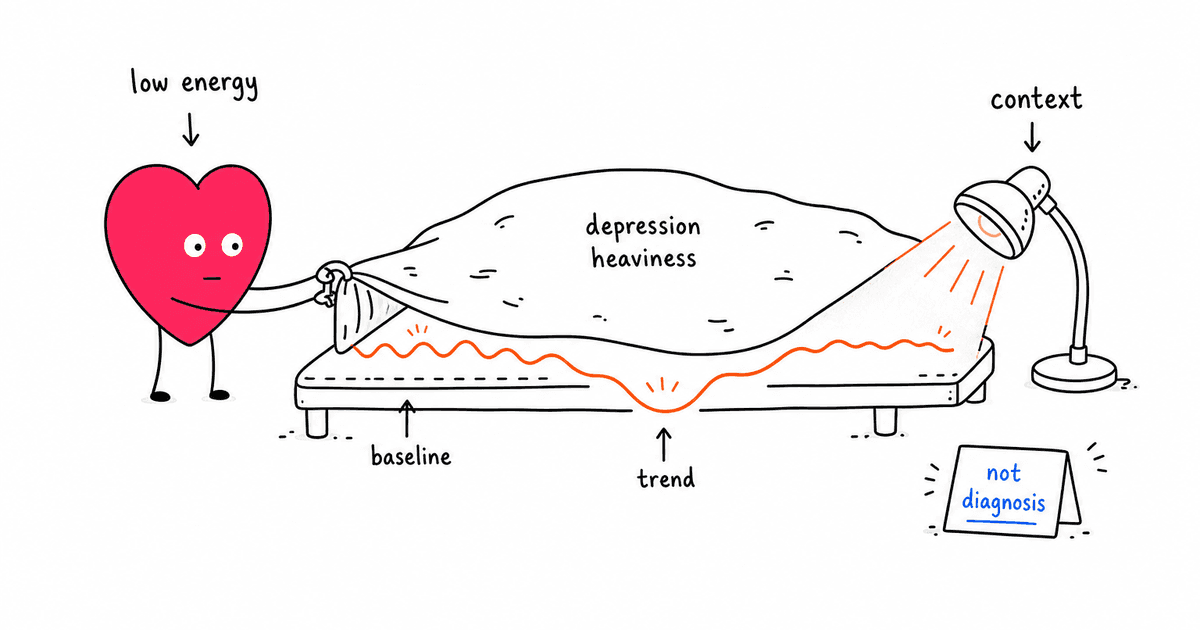
The connection between heart and mind isn't just poetic. Research increasingly shows that heart rate variability (HRV) serves as a window into mental health, with depression consistently linked to reduced autonomic nervous system function.
A meta-analysis of 21 studies concluded that depression is associated with significantly lower HRV. This finding has profound implications for how we understand, monitor, and potentially treat depressive disorders.
The Depression-HRV Connection
Multiple systematic reviews have confirmed the relationship between depression and reduced heart rate variability. But what exactly is happening in the body?
Autonomic Dysfunction in Depression
Depression is associated with autonomic nervous system imbalance, characterized by:
- Reduced parasympathetic activity: The vagus nerve, which controls your "rest and digest" response, shows decreased function in depressed individuals
- Increased sympathetic dominance: The "fight or flight" system becomes overactive
- Impaired flexibility: The heart loses its ability to respond adaptively to changing circumstances
This pattern shows up in HRV measurements as lower overall variability, reduced RMSSD (a marker of vagal tone), and decreased high-frequency (HF) power.
Research Evidence
A comprehensive systematic review published in Neuropsychiatric Disease and Treatment analyzed 31 studies covering nearly 5,500 patients with psychiatric disorders. The findings were consistent: individuals with depression showed significantly altered HRV compared to healthy controls.
Key findings from the research:
- Lower total HRV: Depressed individuals have significantly lower overall heart rate variability
- Reduced vagal tone: High-frequency HRV, which reflects parasympathetic activity, is particularly decreased
- Altered LF/HF ratio: The balance between low-frequency and high-frequency power is disrupted, indicating sympathovagal imbalance
Another study published in Depression and Anxiety found that these changes weren't limited to those currently experiencing depression. Even individuals at risk for depression or in remission showed reduced HRV, suggesting it may be a vulnerability marker rather than just a state marker.
Is Low HRV a Cause or Effect of Depression?
This is one of the most fascinating questions in HRV research. The relationship appears to be bidirectional:
HRV as a Vulnerability Factor
Research suggests that reduced HRV may precede depressive episodes. A study examining individuals at risk for depression found that lower HRV was present before the onset of full depressive episodes, indicating it could be:
- A predisposing factor that makes some people more susceptible to depression
- A marker of underlying autonomic dysfunction that increases vulnerability
- Related to difficulties in emotional regulation (lower HRV is associated with reduced emotional clarity and impulse control)
Depression Reducing HRV
Conversely, the experience of depression itself may further reduce HRV through:
- Chronic stress and elevated cortisol levels
- Reduced physical activity
- Sleep disturbances
- Social withdrawal and isolation
- Inflammatory processes associated with depression
This creates a potential negative feedback loop where depression lowers HRV, and lower HRV may make recovery more difficult.
HRV as a Biomarker for Mental Health
The European Society of Cardiology has identified HRV as "one of the most promising markers of autonomic function." In psychiatry, this opens several possibilities:
Early Detection
Because HRV changes may precede depressive episodes, tracking HRV could provide early warning signs. Someone noticing a sustained drop in their HRV might recognize they're entering a vulnerable period before symptoms become severe.
Treatment Response Monitoring
Research has shown that HRV can track response to antidepressant treatment. Studies examining HRV as a "biomarker of anxious depression response to antidepressant medication" found that changes in HRV correlated with treatment outcomes.
Distinguishing Depression Types
Interestingly, HRV patterns may help differentiate between types of mood disorders. Research has found that reduced vagal tone and higher inflammatory markers may distinguish bipolar disorder from major depressive disorder, revealing underlying differences in autonomic function. For more on the connection between HRV and anxiety disorders, see our dedicated guide.
The Role of the Vagus Nerve
The vagus nerve is central to the HRV-depression connection. This "wandering nerve" connects the brain to major organs including the heart, lungs, and gut. It's the primary pathway of the parasympathetic nervous system.
In depression:
- Vagal tone is reduced
- The "vagal brake" that normally helps regulate stress responses is weakened
- Communication between brain and body is impaired
This helps explain why depression affects so many body systems, including digestion, immune function, and cardiovascular health.
Can Improving HRV Help Depression?
Given the bidirectional relationship, interventions that increase HRV may have mental health benefits. While more research is needed, several approaches show promise:
HRV Biofeedback
HRV biofeedback training teaches individuals to increase their heart rate variability through guided breathing and real-time feedback. Studies have shown this can:
- Reduce depressive symptoms
- Improve emotional regulation
- Increase parasympathetic activity
Breathing Exercises
Slow, paced breathing at approximately 6 breaths per minute activates the vagus nerve and increases HRV. Regular breathing practice has been associated with reduced depression and anxiety symptoms.
Physical Exercise
Exercise is well-established as a treatment for depression, and it also increases HRV. The two effects may be related: exercise improves autonomic function, which in turn supports mental health. Even simple activities like regular walking can make a meaningful difference.
Meditation and Mindfulness
Mind-body practices increase parasympathetic activity and HRV while also reducing depressive symptoms. The HRV improvements may partially explain meditation's mental health benefits.
Cold Exposure
Brief cold exposure activates the vagus nerve and has been explored as a complementary approach for depression. While research is preliminary, the HRV connection provides a potential mechanism.
What Normal vs. Low HRV Looks Like
HRV varies significantly by age, sex, and fitness level, making universal thresholds difficult. However, research provides some context:
| Population | Typical RMSSD Range |
|---|---|
| Healthy adults (20-40) | 35-65 ms |
| Healthy adults (40-60) | 25-45 ms |
| Depression diagnosis | Often 15-25% lower than matched controls |
Rather than focusing on absolute numbers, trends matter most. A sustained decline in your personal baseline may be more meaningful than any single measurement. For more on interpreting your data, see our guide on understanding HRV numbers.
Tracking HRV for Mental Health
If you're using HRV as part of monitoring your mental health:
Morning Measurements
Taking HRV readings first thing in the morning provides the most consistent data. Night-to-night variations can be significant, so a 7-day rolling average is more reliable than single measurements.
Context Matters
Note factors that might affect your HRV:
- Sleep quality and duration
- Alcohol consumption
- Exercise timing
- Illness or recovery
- Significant stressors, including bereavement or major loss
This helps distinguish between expected fluctuations and meaningful trends.
Look for Patterns
Over weeks and months, you may notice patterns between your HRV and mood. Some people find their HRV drops several days before they notice mood changes, providing a potential early warning system.
Share with Healthcare Providers
HRV data can be valuable information to share with therapists or psychiatrists. While it doesn't replace clinical assessment, it provides objective data about physiological state that can inform treatment decisions.
Limitations to Consider
While the HRV-depression connection is well-established, there are important caveats:
- Not diagnostic: Low HRV alone doesn't diagnose depression. Many factors affect HRV, and low readings require clinical context.
- Individual variation: What's low for one person may be normal for another. Personal baselines matter more than population averages.
- Measurement variability: Different devices and conditions can produce different readings. Consistency in measurement approach is essential.
- Multiple factors: Depression is complex and influenced by genetics, environment, life circumstances, and many other factors beyond HRV.
The Bigger Picture
The research on HRV and depression points to something important: mental and physical health are deeply interconnected. The autonomic nervous system provides a measurable bridge between psychological state and physiological function.
For those managing depression, HRV tracking offers:
- An objective data point to complement subjective assessment
- Potential early warning of vulnerability periods
- A marker of progress that may respond to treatment
- Motivation for interventions that improve both HRV and mood
And for everyone, it's a reminder that caring for your heart through exercise, sleep, stress management, and healthy habits isn't just about cardiovascular health. It's about supporting the whole system, including your mental wellbeing. For practical strategies, see our guide on how to improve your HRV.
Need a quick read on your HRV number first?
Enter your HRV value, age range, device, and recovery context for a plain-English interpretation before you decide what to do next.
Interpret Your HRV NumberBuild the 30-day plan